Can a macerator pump for a house be used in a nursery for water drainage?
Leave a message

When considering water drainage solutions, especially in specialized settings like a nursery, the choice of equipment is crucial. As a supplier of macerator pumps for houses, I often encounter inquiries about the applicability of these pumps in different environments. One common question is whether a macerator pump designed for a house can be used in a nursery for water drainage. In this blog, I'll explore this topic in detail, weighing the pros and cons to help you make an informed decision.
Understanding Macerator Pumps for Houses
Before delving into their suitability for nurseries, let's first understand what macerator pumps for houses are. These pumps are designed to handle wastewater from various household fixtures such as toilets, sinks, and showers. They work by grinding solid waste into small particles, which can then be easily pumped through small - diameter pipes. This is particularly useful in situations where gravity - based drainage is not feasible, such as in basements or extensions where the plumbing system needs to be elevated.


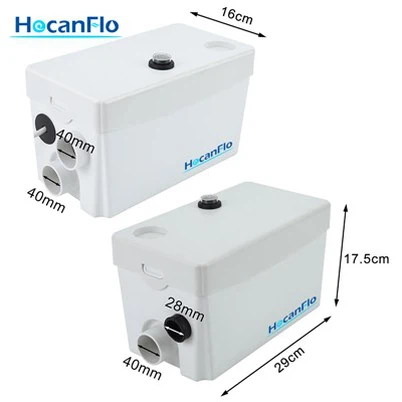
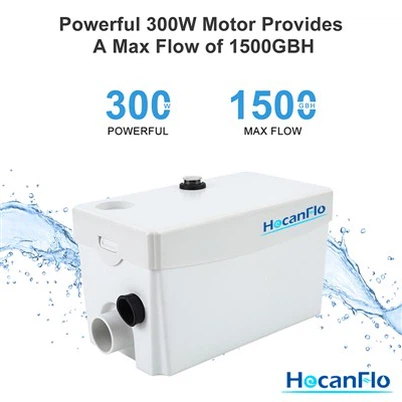
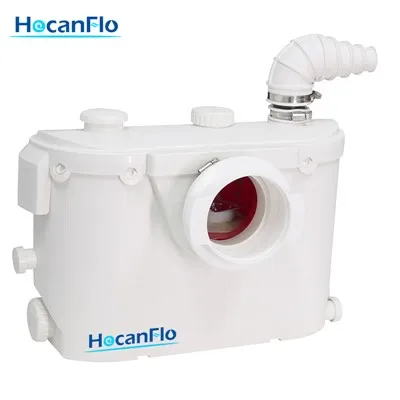
There are different types of house macerator pumps available on the market. For example, the Water Disposal Macerator Pump is designed to efficiently dispose of water waste, while the Household Bathroom Macerator Pump is specifically tailored for bathroom applications. The Macerator Waste Pump 3 Inlets can connect to multiple fixtures simultaneously, providing a comprehensive drainage solution for a house.
Considerations for Using House Macerator Pumps in a Nursery
Advantages
- Cost - effectiveness: House macerator pumps are generally more affordable compared to specialized nursery drainage systems. If you're on a tight budget, using a house macerator pump can be a cost - saving option. Since nurseries may have multiple small water - using areas such as sinks for hand - washing and water troughs for plants, a single macerator pump can potentially serve multiple fixtures, reducing the overall cost of installation.
- Availability and Compatibility: These pumps are widely available in the market, and it's easy to find replacement parts if needed. Additionally, they are designed to be compatible with standard household plumbing systems. In a nursery, if the existing plumbing infrastructure is similar to that of a house, integrating a house macerator pump can be relatively straightforward.
- Efficient Waste Disposal: The grinding mechanism of macerator pumps ensures that solid waste is broken down into small pieces, preventing clogs in the drainage pipes. In a nursery, where there may be plant debris, soil particles, or small toys accidentally dropped into the drains, a macerator pump can effectively handle these materials and maintain a smooth - flowing drainage system.
Disadvantages
- Noise Level: House macerator pumps can be relatively noisy during operation. In a nursery, where a quiet environment is essential for the well - being of the plants and the comfort of those working or visiting, the noise from a macerator pump may be a significant drawback. The constant humming or grinding sound can be distracting and may even cause stress to the delicate plants.
- Sanitation Concerns: Nurseries often have strict sanitation requirements to prevent the spread of diseases among plants. While macerator pumps are designed to handle waste, there is a risk of contamination if the pump is not properly maintained. For example, if the grinding blades become dull or if there are leaks in the pump, it can lead to the growth of bacteria and fungi, which can be harmful to the plants.
- Capacity and Flow Rate: The capacity and flow rate of house macerator pumps are typically designed for household use. In a nursery, the water drainage requirements may be different. For instance, if the nursery has large - scale irrigation systems or frequent water - changing needs for hydroponic setups, a house macerator pump may not be able to handle the high volume of water efficiently, leading to slow drainage or even backups.
Technical and Safety Considerations
Technical Requirements
- Power Supply: Ensure that the power supply in the nursery can support the operation of the macerator pump. House macerator pumps usually require a stable electrical connection. In a nursery, you need to consider the distance from the power source and whether there are any electrical safety regulations that need to be followed.
- Pipe Sizing: The diameter of the drainage pipes connected to the macerator pump is crucial. Using pipes that are too small can restrict the flow of water and cause the pump to overwork, while pipes that are too large may not provide enough pressure for the pump to function effectively. In a nursery, the pipe sizing should be carefully calculated based on the expected water volume and the layout of the drainage system.
Safety Considerations
- Chemical Compatibility: In nurseries, various chemicals such as fertilizers and pesticides may be used. These chemicals can be corrosive and may damage the macerator pump if they come into contact with it. Before using a house macerator pump in a nursery, it's important to ensure that the pump is made of materials that are resistant to these chemicals.
- Child and Plant Safety: If the nursery is open to the public or has children visiting, the macerator pump should be installed in a safe location to prevent accidental contact. Additionally, the pump should not pose any risk to the plants, such as by leaking harmful substances into the soil or water.
Case Studies and Alternatives
Case Studies
There have been some cases where house macerator pumps have been successfully used in nurseries. For example, a small - scale nursery with limited water - using areas installed a Household Bathroom Macerator Pump to handle the drainage from its sinks and small water troughs. The pump was able to efficiently dispose of the waste, and with proper noise - insulation measures, the noise was kept at an acceptable level.
However, there are also cases where the use of house macerator pumps in nurseries has led to problems. A large - scale nursery with a high - volume irrigation system installed a house macerator pump that was not designed for such a large flow rate. As a result, the pump overheated and failed after a few months of operation, causing significant disruption to the nursery's water drainage system.
Alternatives
- Specialized Nursery Drainage Systems: These systems are specifically designed to meet the unique requirements of nurseries. They often have features such as low - noise operation, high - capacity pumps, and advanced sanitation mechanisms. While they may be more expensive than house macerator pumps, they offer better performance and reliability in a nursery environment.
- Gravity - Based Drainage: If the layout of the nursery allows, a gravity - based drainage system can be a simple and cost - effective solution. By using the natural slope of the land, water can flow freely through the pipes without the need for a pump. However, this option may not be feasible in all nurseries, especially those with a flat terrain.
Conclusion
In conclusion, while it is possible to use a macerator pump for a house in a nursery for water drainage, it is not a one - size - fits - all solution. The decision depends on various factors such as the size of the nursery, the water drainage requirements, the budget, and the specific needs of the plants. Before making a decision, it's important to carefully evaluate the advantages and disadvantages, as well as the technical and safety considerations.
If you're considering using a house macerator pump in your nursery or need more information about our range of macerator pumps, feel free to contact us for a detailed consultation. Our team of experts can help you choose the most suitable pump for your specific needs and provide guidance on installation and maintenance. We are committed to providing high - quality products and excellent customer service to ensure that your water drainage system in the nursery operates smoothly.
References
- "Plumbing Handbook for Residential and Commercial Buildings" - A comprehensive guide on plumbing systems, including macerator pumps.
- "Nursery Sanitation and Water Management" - A publication focusing on the specific sanitation and water - related requirements in nurseries.
- Industry reports on the performance and reliability of different types of macerator pumps.