How to prevent clogging in a powerful macerating pump?
Leave a message

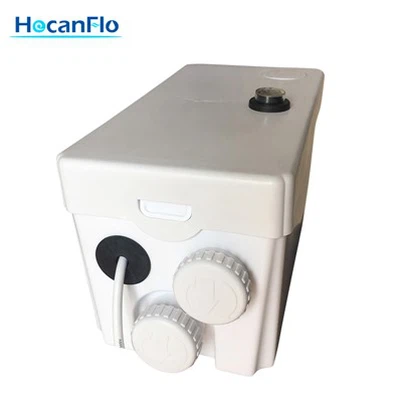
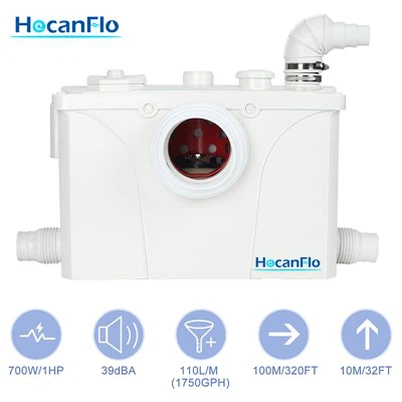
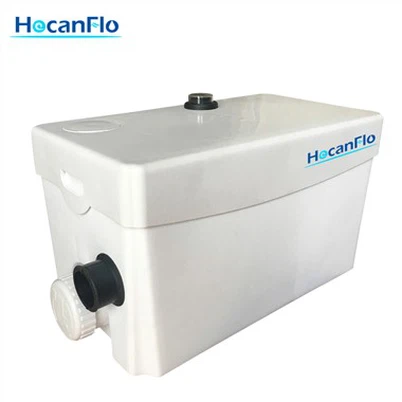
As a supplier of powerful macerating pumps, I understand the pivotal role these pumps play in various applications, from residential sewage systems to marine setups. One of the most common challenges users face with macerating pumps is clogging, which not only disrupts the normal operation of the pump but can also lead to costly repairs and downtime. In this blog post, I will share some effective strategies to prevent clogging in a powerful macerating pump.
Understanding the Causes of Clogging
Before delving into preventive measures, it's essential to understand what causes clogging in macerating pumps. The main culprits are typically non - biodegradable materials, large solid objects, and excessive fibrous substances.
Non - biodegradable items such as sanitary products, wipes, and plastic pieces are prevalent in households. These items do not break down easily in the macerator and can quickly accumulate, causing blockages. Large solid objects, like food scraps, toys, or even tools that accidentally find their way into the pump inlet, can also jam the blades of the macerator. Fibrous materials, such as hair, strings, and paper towels, can wrap around the impeller, impeding its rotation and eventually leading to clogging.
Choose the Right Type of Pump for Your Application
Selecting the appropriate macerating pump for your specific needs is the first step in preventing clogging. Different pumps have different capabilities in terms of maceration power, flow rate, and the size of solids they can handle.
For instance, in a marine environment, a Boat Shower Pump is designed to handle the waste generated from showering on a boat. These pumps are usually more compact and need to be able to work efficiently in a limited - space environment. On the other hand, if you are looking for a pump for a shower in a residential building with multiple users, a Shower Lift Pump might be a better choice. It should have sufficient power to macerate and lift the wastewater to the desired level.
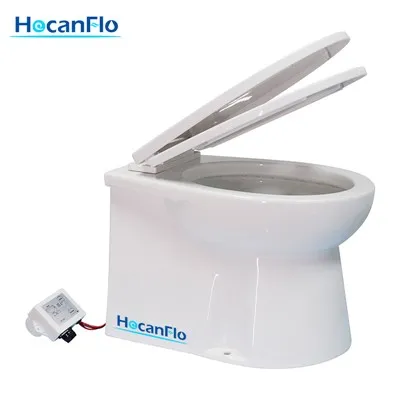
For smart toilets, a Smart Toilet Macerator Pump Sewage is specifically engineered to handle the waste from toilets, which often contains more solid matter. It is important to match the pump's capacity with the actual volume and type of waste it will encounter.
Install a Pre - Filter
A pre - filter is an extremely effective tool in preventing clogging in macerating pumps. It is installed at the inlet of the pump and serves as the first line of defense against large objects and debris.
The pre - filter should have appropriately sized holes or mesh that can trap large solids while allowing water and smaller particles to pass through. For example, a mesh with a pore size of around 1/4 inch can effectively catch most large food scraps, toys, and other solid objects. Regularly cleaning the pre - filter is crucial. Depending on the usage frequency and the type of waste, it may need to be cleaned weekly or even daily in high - traffic areas.
Educate Users
One of the most overlooked aspects of preventing clogging is educating the users about what can and cannot be put into the macerating pump. Many people are not aware of the potential damage that non - flushable items can cause to the pump.
In a household setting, it's important to post clear instructions near the toilet, shower, or other plumbing fixtures connected to the macerating pump. These instructions should clearly state that only toilet paper, human waste, and biodegradable materials can be flushed. In commercial settings or on boats, staff or passengers should also be briefed on the proper use of the pump.
Regular Maintenance
Regular maintenance is key to keeping the macerating pump in good working condition and preventing clogging. This includes both visual inspections and mechanical checks.
Visually inspect the pump for any signs of leaks, unusual noises, or vibrations. These can be early indicators of a problem, such as a clog or a worn - out part. Check the macerator blades for sharpness and damage. Over time, the blades can become dull or chipped, which reduces their ability to macerate solids effectively. If the blades are dull, they should be sharpened or replaced.
It's also important to lubricate the moving parts of the pump as recommended by the manufacturer. This helps to reduce friction and wear, ensuring smooth operation. Additionally, drain the pump periodically to remove any sediment or debris that may have accumulated at the bottom.
Monitor the Pump's Performance
Monitoring the performance of the macerating pump on a regular basis can help detect potential clogging issues before they become serious. Keep an eye on the flow rate and pressure of the pump.

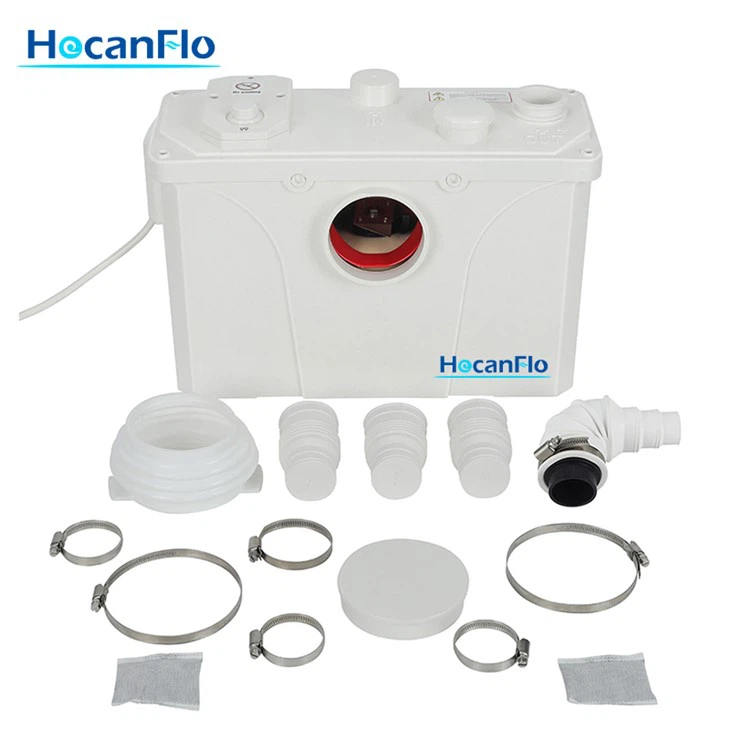
A sudden decrease in the flow rate or an increase in the pressure can indicate a clog. You can use flow meters and pressure gauges to measure these parameters accurately. If you notice any abnormal changes, stop the pump immediately and investigate the cause.
Use Chemical Additives
In some cases, chemical additives can be used to prevent clogging. These additives are designed to break down fibrous materials and organic matter, making them easier to macerate and pump.
However, it's important to choose the right type of chemical additive that is compatible with your macerating pump. Some chemicals can cause damage to the pump's components, especially if they are not formulated for use with macerators. Always follow the manufacturer's instructions when using chemical additives.
Conclusion
Preventing clogging in a powerful macerating pump requires a combination of proper selection, installation of protective devices, user education, regular maintenance, performance monitoring, and, in some cases, the use of chemical additives. By implementing these strategies, you can ensure the smooth and efficient operation of your macerating pump, reduce the risk of breakdowns, and extend its lifespan.
If you are in the market for a high - quality macerating pump or need more information on preventing clogging, feel free to contact us. We are committed to providing you with the best products and solutions to meet your needs.
References
- Smith, J. (2018). Handbook of Pump Maintenance and Troubleshooting. Mechanical Press.
- Brown, A. (2019). Plumbing Systems and Water Management. Architectural Publications.
- Johnson, R. (2020). Marine Plumbing: A Comprehensive Guide. nautical Books.