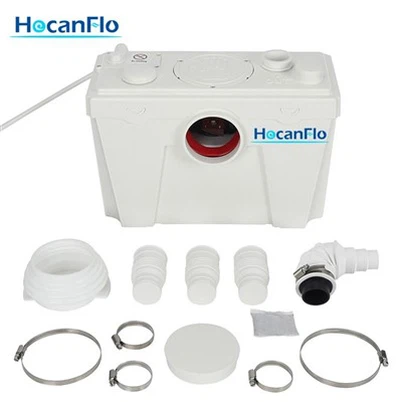
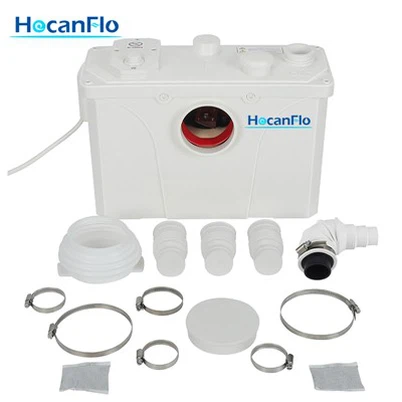
Is a 300w sewage pump energy - efficient?
Leave a message

In the realm of sewage management, the question of energy efficiency is paramount. As a supplier of 300w sewage pumps, I've encountered numerous inquiries regarding the energy - efficiency of these pumps. In this blog, I'll delve into the factors that determine the energy - efficiency of a 300w sewage pump, explore real - world applications, and discuss how it measures up against other options in the market.
Understanding Energy Efficiency in Sewage Pumps
Energy efficiency is defined as the ratio of the useful energy output of a device to the energy input. When it comes to sewage pumps, the useful energy output is the ability to move sewage or wastewater from one place to another effectively. The energy input is typically electrical power, and in our case, it's 300 watts.
A 300w sewage pump is designed to balance power and energy consumption. The 300 - watt rating indicates the amount of electrical power the pump consumes when operating at full load. However, energy efficiency isn't solely about the power rating. It also depends on factors such as the pump's design, the materials used, and the operational conditions.


Design and Construction
The design of a sewage pump plays a crucial role in its energy efficiency. Modern 300w sewage pumps are often equipped with advanced impeller designs. These impellers are carefully engineered to move water with minimal resistance, which reduces the amount of energy required to achieve the desired flow rate. Additionally, the casing of the pump is designed to minimize turbulence, ensuring that the energy is used more effectively in moving the sewage.
The materials used in the construction of the pump can also impact energy efficiency. High - quality materials that are resistant to wear and corrosion can maintain the pump's performance over a longer period. For example, pumps made with stainless - steel components are less likely to degrade due to the corrosive nature of sewage, which means they can operate at a consistent level of efficiency.
Operational Conditions
The energy efficiency of a 300w sewage pump is also affected by the operational conditions. If the pump is installed in a system with the correct pipe sizing, it can operate more efficiently. A pipe that is too small can cause excessive pressure and increase the energy consumption of the pump. On the other hand, a pipe that is too large may result in a low flow rate and reduced efficiency.
The head height, which is the vertical distance the pump needs to lift the sewage, also impacts energy consumption. A pump operating against a high head height will consume more energy than one operating against a lower head height. Therefore, it's important to select the right pump for the specific application to ensure optimal energy efficiency.
Real - World Applications and Energy Savings
300w sewage pumps have a wide range of real - world applications, from residential to commercial settings. In residential applications, they are commonly used for basement drainage, septic tank pumping, and wastewater disposal from appliances such as toilets and washing machines. In commercial settings, they can be used in small - scale industrial processes, restaurants, and hotels.
Let's take a look at some specific examples. In a residential basement, a 300w Basement Sewage Macerator Pump can efficiently remove water and sewage, preventing flooding. Compared to larger, more powerful pumps, the 300w pump consumes less energy while still providing adequate performance. This results in cost savings on electricity bills over time.
In a restaurant kitchen, a The Macerator Pump For Kitchen can handle the disposal of food waste and wastewater. Its 300 - watt power rating allows it to operate efficiently, reducing the overall energy consumption of the establishment.
Comparison with Other Pumps
When comparing 300w sewage pumps with other pumps on the market, it's important to consider both energy efficiency and performance. Larger pumps may have a higher power rating and can move more sewage in a shorter period. However, they also consume more energy, which can lead to higher operating costs.
On the other hand, smaller pumps may consume less energy, but they may not have the capacity to handle large volumes of sewage or operate against high head heights. A 300w sewage pump strikes a balance between these two extremes. It provides sufficient power for most common applications while still being energy - efficient.
Our 300w Sewage Pump Products
We offer a variety of 300w sewage pumps for different applications. Our Shower Macerator Pump is specifically designed to handle the wastewater from showers. It features a compact design and high - efficiency operation, making it ideal for residential bathrooms.
The Macerator Pump For Wash Basin is designed to efficiently dispose of the water from wash basins. It's easy to install and operates quietly, ensuring a comfortable environment.
Our Water Disposal Macerator Pump is suitable for a wide range of water disposal applications, including floor drains and small - scale water features. It's built with durability in mind, ensuring long - term, energy - efficient operation.
Conclusion
In conclusion, a 300w sewage pump can be highly energy - efficient, depending on its design, construction, and operational conditions. Its 300 - watt power rating allows it to provide sufficient performance for many common applications while consuming less energy compared to larger pumps. This results in cost savings on electricity bills and a more sustainable approach to sewage management.
If you're in the market for a sewage pump and are concerned about energy efficiency, our range of 300w sewage pumps is definitely worth considering. We have the expertise and the products to meet your specific needs. Whether it's for a residential or commercial application, our pumps are designed to provide reliable and energy - efficient performance.
If you're interested in learning more about our 300w sewage pumps or would like to discuss a potential purchase, please don't hesitate to reach out. We're here to provide you with detailed information and help you make the best decision for your sewage management needs.
References
- "Pump Handbook" by Igor J. Karassik.
- Technical documentation from leading sewage pump manufacturers.