

What are the differences between a Macerator Disposal Pump and a regular pump?
Leave a message

Hey there! As a supplier of Macerator Disposal Pumps, I've gotten a ton of questions about how these pumps stack up against regular pumps. So, I thought I'd break it down for you in this blog post.
What's a Macerator Disposal Pump Anyway?
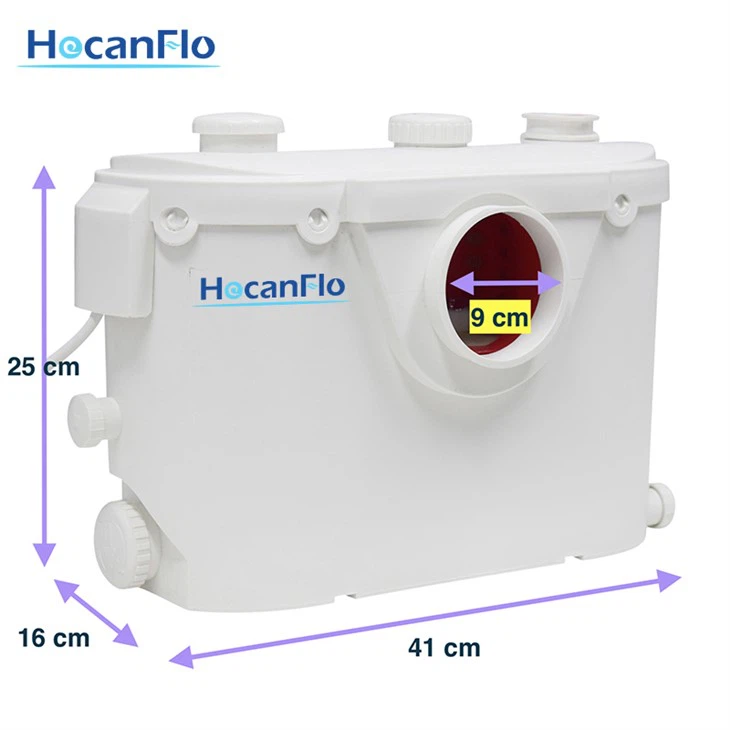
First off, let's talk about what a Macerator Disposal Pump is. This type of pump is designed to break down solid waste into smaller particles before pumping it out. It's got a built - in cutting mechanism, usually a set of sharp blades, that shreds things like toilet paper, human waste, and even small pieces of debris. This is super handy in situations where you can't rely on gravity to move the waste, like in basements or boats.
For example, if you're installing a bathroom in your basement, a Sanitary Macerator Pump can be a lifesaver. It'll take care of all the waste and pump it up to the main sewer line without any issues.
How Regular Pumps Work
On the flip side, regular pumps are a lot more straightforward. They're mainly used to move liquids from one place to another. They don't have that fancy cutting mechanism. They're great for things like pumping water out of a flooded basement, moving water from a well to your house, or circulating water in a pool.
Regular pumps are usually simpler in design. They've got an impeller that spins and creates a flow of liquid. But they can't handle solid waste very well. If you try to pump solid stuff through a regular pump, it'll probably clog up in no time.
The Key Differences
1. Waste Handling
The biggest difference between a Macerator Disposal Pump and a regular pump is how they deal with waste. A Macerator Disposal Pump can handle solid waste because it grinds it up into tiny pieces. This means you can connect it directly to toilets, sinks, and showers, and it'll take care of all the waste that goes down the drain.
A regular pump, on the other hand, is not made for solid waste. It's designed to handle clean or slightly dirty water. If you try to use a regular pump to move sewage, you'll end up with a clogged pump and a big mess.
2. Installation Location
Macerator Disposal Pumps are often used in places where traditional plumbing isn't possible. Like I mentioned earlier, basements are a great example. They can also be used in mobile homes, boats, and RVs. Since they can break down waste and pump it up to the main sewer line, they give you a lot more flexibility when it comes to where you can install a bathroom or a kitchen.
Regular pumps are usually installed in areas where there's a large volume of liquid to move. They're often found in industrial settings, water treatment plants, or in large residential properties for things like well water pumping.
3. Power and Efficiency
Macerator Disposal Pumps need a bit more power than regular pumps because they have to run the cutting mechanism. But they're also more efficient when it comes to handling waste. They can pump waste over longer distances and to higher elevations because the ground - up waste is easier to move.
Regular pumps are more power - efficient when it comes to just moving liquids. They don't have the extra load of a cutting mechanism, so they use less energy to move the same volume of liquid.
4. Maintenance
Maintenance for a Macerator Disposal Pump is a bit more involved. You need to make sure the cutting blades are sharp and clean. Over time, the blades can get dull or clogged with debris, which can affect the pump's performance. You might also need to clean the pump housing and check the seals regularly.

Regular pumps are generally easier to maintain. You mainly need to check the impeller for any damage and make sure the motor is running smoothly. Since they don't have to deal with solid waste, there's less chance of clogging.
When to Choose a Macerator Disposal Pump
If you're planning to install a bathroom or a kitchen in a place where traditional plumbing won't work, a Macerator Disposal Pump is the way to go. For instance, if you're converting your attic into a living space and want to add a small bathroom, a Full Bathroom Macerator Pump can make it happen.
It's also a good choice if you need to pump waste over a long distance or to a higher elevation. The grinding action of the Macerator Disposal Pump makes it easier to move the waste through the pipes.
When to Choose a Regular Pump
If you're just dealing with clean or slightly dirty water, a regular pump is the better option. For example, if you have a small pond in your backyard and you want to circulate the water, a regular pump will do the job just fine. It'll be more energy - efficient and easier to maintain.
Conclusion
So, there you have it! The main differences between a Macerator Disposal Pump and a regular pump. Each has its own strengths and weaknesses, and the right choice depends on your specific needs.
If you're still not sure which pump is right for you, or if you're interested in purchasing a Macerator Disposal Pump, feel free to reach out. We're here to help you make the best decision for your situation. Whether you need a 500w Sewerage Grinder Sewage Pump for a small project or a larger pump for a commercial application, we've got you covered.
References
- "Pump Handbook" by Igor J. Karassik et al.
- Various industry reports on pump technology and applications.


