What is the impact of the temperature of the sewage on a 700w sewage pump?
Leave a message

Hey there! As a supplier of 700w sewage pumps, I've been getting a lot of questions lately about how the temperature of sewage can impact these pumps. So, I thought I'd dive into this topic and share some insights.
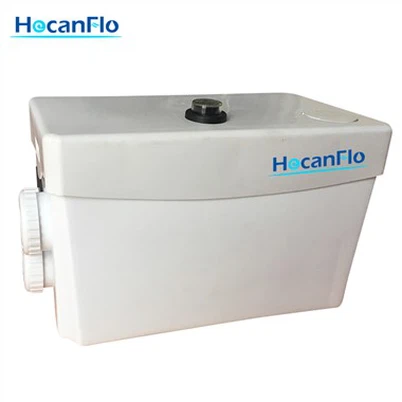
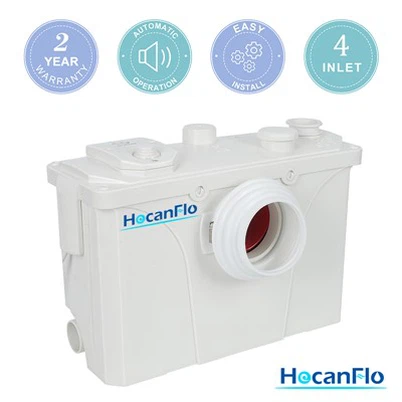
First off, let's talk about what a 700w sewage pump is all about. These pumps are designed to handle the tough job of moving sewage from one place to another. They're used in a variety of settings, like homes, commercial buildings, and even some industrial applications. With a 700w power rating, they've got enough oomph to get the job done efficiently.
Now, let's get to the main question: What's the impact of sewage temperature on a 700w sewage pump? Well, temperature can have a few different effects on the pump's performance and lifespan.
1. Viscosity Changes
One of the key things that temperature affects is the viscosity of the sewage. Viscosity is basically how thick or thin a fluid is. When the sewage temperature is low, it tends to become more viscous. Think of it like honey on a cold day – it's thick and flows slowly. This increased viscosity can put more strain on the pump. The impeller, which is the part that moves the sewage, has to work harder to push the thick sewage through the pump and the pipes. As a result, the pump may draw more power than usual, and there's a higher risk of overheating.
On the other hand, when the sewage temperature is high, the viscosity decreases. It's like honey on a hot day – it flows much more easily. While this might seem like a good thing, it can also cause problems. The lower viscosity can lead to a decrease in the pump's efficiency. The pump might not be able to create enough pressure to move the sewage effectively, especially if there are long pipes or high lift requirements.
2. Material Degradation
The temperature of the sewage can also impact the materials used in the pump. Most 700w sewage pumps are made of a combination of metals and plastics. High temperatures can cause these materials to expand. If the expansion is uneven, it can lead to mechanical stress within the pump. Over time, this stress can cause cracks in the pump housing or other components, which can lead to leaks and ultimately pump failure.
Plastic components are particularly susceptible to high temperatures. Prolonged exposure to hot sewage can cause the plastic to become brittle and lose its strength. This can make the pump more prone to damage from normal wear and tear or from the forces generated during operation.
Low temperatures can also be a problem. Cold temperatures can make some materials more rigid and less flexible. This can increase the risk of parts breaking if they're subjected to sudden shocks or vibrations. For example, a plastic impeller might crack if it hits a small solid object in the sewage when it's cold and brittle.
3. Seal Integrity
Seals are an important part of a sewage pump. They prevent sewage from leaking out of the pump and into the surrounding environment. Temperature can have a significant impact on the integrity of these seals.
High temperatures can cause the rubber or elastomeric materials used in the seals to degrade. The heat can break down the chemical bonds in the material, causing it to lose its elasticity. As a result, the seal may not be able to form a tight seal, leading to leaks.
Cold temperatures can also affect the seals. When it's cold, the rubber can become stiff and lose its ability to conform to the surfaces it's supposed to seal. This can also result in leaks, which can not only be a mess but can also lead to contamination of the surrounding area.
4. Motor Performance
The motor is the heart of the 700w sewage pump. Temperature can have a big impact on its performance. High sewage temperatures can cause the motor to overheat. The motor generates heat during operation, and if the surrounding sewage is already hot, it can be more difficult for the motor to dissipate this heat. Overheating can damage the motor windings, which can lead to a loss of power or even complete motor failure.
Cold temperatures can also affect the motor. In cold conditions, the lubricants in the motor can become thicker, which can increase the friction within the motor. This can make the motor less efficient and may cause it to draw more power to operate.
How to Mitigate the Impact
So, what can you do to minimize the impact of sewage temperature on your 700w sewage pump? Here are a few tips:

- Temperature Monitoring: Install a temperature sensor in the sewage system to keep an eye on the sewage temperature. This can help you detect any sudden changes in temperature that could indicate a problem.
- Proper Insulation: If the sewage temperature is consistently low, consider insulating the pipes and the pump to help keep the sewage warm. This can reduce the viscosity and make it easier for the pump to operate.
- Cooling Systems: In cases where the sewage temperature is high, you might want to consider installing a cooling system. This could be as simple as a heat exchanger that cools the sewage before it enters the pump.
- Regular Maintenance: Regularly inspect and maintain the pump. Check the seals, impeller, and motor for any signs of damage or wear. Replace any worn-out parts promptly to prevent further problems.
Our 700w Sewage Pump Offerings
As a supplier, we offer a range of 700w sewage pumps to suit different needs. For example, our Simplex Grinder Pump is great for handling sewage with solid waste. It has a powerful grinding mechanism that can break down solids, making it easier for the pump to move the sewage.
If you're looking for a pump for a bath or shower application, our Bath Shower Pump is a perfect choice. It's designed to handle the relatively low volume of water from a bath or shower and can work efficiently even at different sewage temperatures.
For applications where you need to pump sewage from a lower level to a higher level, our Negative Head Pump is ideal. It can create the necessary suction to lift the sewage against gravity.
Conclusion
In conclusion, the temperature of the sewage can have a significant impact on the performance and lifespan of a 700w sewage pump. By understanding these impacts and taking appropriate measures to mitigate them, you can ensure that your pump operates efficiently and reliably for a long time.
If you're in the market for a 700w sewage pump or have any questions about how temperature might affect your specific application, don't hesitate to reach out. We're here to help you find the right pump for your needs and provide you with all the support you need. Let's start a conversation about your sewage pumping requirements and see how we can work together to solve your problems.
References
- "Pump Handbook" by Igor J. Karassik et al.
- "Fluid Mechanics and Hydraulic Machines" by R. K. Bansal