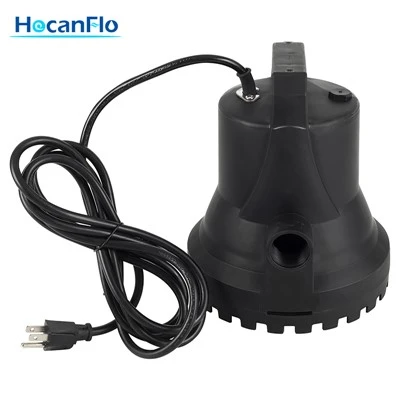
What is the suction capacity of submersible pumps?
Leave a message

What is the Suction Capacity of Submersible Pumps?
As a supplier of submersible pumps, I often encounter customers who are curious about the suction capacity of these essential devices. Understanding the suction capacity of submersible pumps is crucial for various applications, from residential water supply to industrial drainage. In this blog post, I will delve into the concept of suction capacity, factors that affect it, and how it impacts the performance of different types of submersible pumps.
Understanding Suction Capacity
Suction capacity refers to the ability of a submersible pump to draw water from a source and lift it to a desired height or location. It is typically measured in terms of the maximum vertical distance the pump can lift water, known as the suction head, and the volume of water it can move per unit of time, known as the flow rate. The suction head is influenced by several factors, including the pump's design, the depth of the water source, and the type of fluid being pumped.
The flow rate, on the other hand, is determined by the pump's power, the diameter of the suction and discharge pipes, and the resistance in the pipeline. A higher flow rate means that the pump can move more water in a shorter period, which is essential for applications that require large volumes of water to be transferred quickly.
Factors Affecting Suction Capacity
Several factors can affect the suction capacity of submersible pumps, including:
- Pump Design: The design of the pump plays a crucial role in determining its suction capacity. Pumps with a larger impeller diameter and a higher number of impeller blades tend to have a higher suction capacity than pumps with a smaller impeller diameter and fewer blades. Additionally, the shape of the impeller and the volute casing can also affect the pump's efficiency and suction performance.
- Depth of the Water Source: The depth of the water source is another important factor that affects the suction capacity of submersible pumps. As the depth of the water increases, the pressure exerted on the pump also increases, which can reduce the pump's ability to draw water. Therefore, it is important to choose a pump that is designed to operate at the specific depth of the water source.
- Type of Fluid Being Pumped: The type of fluid being pumped can also affect the suction capacity of submersible pumps. Liquids with a higher viscosity, such as oil or sludge, require more energy to pump than liquids with a lower viscosity, such as water. Therefore, pumps that are designed to handle high-viscosity fluids may have a lower suction capacity than pumps that are designed to handle water.
- Pipeline Resistance: The resistance in the pipeline can also affect the suction capacity of submersible pumps. Factors such as the length, diameter, and roughness of the pipeline, as well as the presence of valves, fittings, and bends, can all increase the resistance in the pipeline and reduce the pump's ability to draw water. Therefore, it is important to choose a pump that is designed to overcome the specific resistance in the pipeline.
Impact of Suction Capacity on Different Types of Submersible Pumps
The suction capacity of submersible pumps can have a significant impact on their performance in different applications. Here are some examples of how suction capacity affects the performance of different types of submersible pumps:
- Stainless Steel Submersible Pump: Stainless steel submersible pumps are commonly used in applications where corrosion resistance is required, such as in swimming pools, water treatment plants, and industrial processes. These pumps typically have a high suction capacity, which allows them to draw water from deep sources and lift it to the desired location.
- Deep Water Well Pump: Deep water well pumps are designed to operate in deep wells, where the water level can be several hundred feet below the surface. These pumps require a high suction capacity to draw water from the well and lift it to the surface. Additionally, they must be able to withstand the high pressure and temperature conditions in the well.
- Submersible Pond Pump: Submersible pond pumps are used to circulate water in ponds and water features. These pumps typically have a lower suction capacity than deep water well pumps, but they are designed to handle a large volume of water at a low head. They are also often equipped with a filter to prevent debris from entering the pump.
- Low Level Submersible Pump: Low level submersible pumps are designed to operate in applications where the water level is low, such as in basements, flooded areas, and construction sites. These pumps have a high suction capacity and are able to draw water from very low levels. They are also often equipped with a float switch to automatically turn the pump on and off as the water level rises and falls.
- Household Water Pump: Household water pumps are used to supply water to homes and buildings. These pumps typically have a moderate suction capacity and are designed to provide a consistent flow of water at a relatively low pressure. They are also often equipped with a pressure switch to automatically turn the pump on and off as the water pressure changes.
Choosing the Right Submersible Pump for Your Application
When choosing a submersible pump for your application, it is important to consider the suction capacity of the pump, as well as other factors such as the flow rate, the head, the power consumption, and the durability. Here are some tips to help you choose the right submersible pump for your application:


- Determine the Required Suction Capacity: The first step in choosing a submersible pump is to determine the required suction capacity. This will depend on the depth of the water source, the height to which the water needs to be lifted, and the volume of water that needs to be transferred. You can use a pump sizing chart or consult with a pump expert to determine the required suction capacity.
- Consider the Type of Fluid Being Pumped: The type of fluid being pumped will also affect the choice of submersible pump. If you are pumping water, a standard submersible pump will usually suffice. However, if you are pumping a high-viscosity fluid, such as oil or sludge, you will need a pump that is specifically designed to handle these types of fluids.
- Choose a Pump with the Right Flow Rate and Head: The flow rate and head of the pump are also important factors to consider. The flow rate refers to the volume of water that the pump can move per unit of time, while the head refers to the height to which the pump can lift the water. You will need to choose a pump that has a flow rate and head that are suitable for your application.
- Consider the Power Consumption: The power consumption of the pump is another important factor to consider. A pump that consumes too much power can be expensive to operate, while a pump that consumes too little power may not be able to meet the requirements of your application. You will need to choose a pump that has a power consumption that is appropriate for your needs.
- Choose a Durable Pump: Finally, you will need to choose a pump that is durable and reliable. Look for a pump that is made from high-quality materials and has a good reputation for reliability. You may also want to consider a pump that comes with a warranty to protect your investment.
Contact Us for Submersible Pump Procurement
If you are in the market for a submersible pump, we are here to help. As a leading supplier of submersible pumps, we offer a wide range of pumps to meet the needs of various applications. Our pumps are made from high-quality materials and are designed to provide reliable performance and long service life.
Whether you need a Stainless Steel Submersible Pump, a Deep Water Well Pump, a Submersible Pond Pump, a Low Level Submersible Pump, or a Household Water Pump, we have the right pump for you. Contact us today to discuss your requirements and to get a quote. We look forward to serving you.
References
- Pump Handbook, Third Edition, by Karassik, Igor J., et al.
- Centrifugal Pumps: Design and Application, Second Edition, by stepanek, Jaroslav.
- Submersible Pump Technology and Applications, by Li, Xiping.