Can a macerator pump for a house be used with a septic tank?
Leave a message

Can a macerator pump for a house be used with a septic tank?
As a supplier of macerator pumps for houses, I often receive inquiries from customers about the compatibility of macerator pumps with septic tanks. This is a crucial question, especially for those who are considering installing a macerator pump in a property served by a septic tank system. In this blog post, I will delve into the details of using a macerator pump with a septic tank, exploring the benefits, potential issues, and important considerations.
Understanding Macerator Pumps
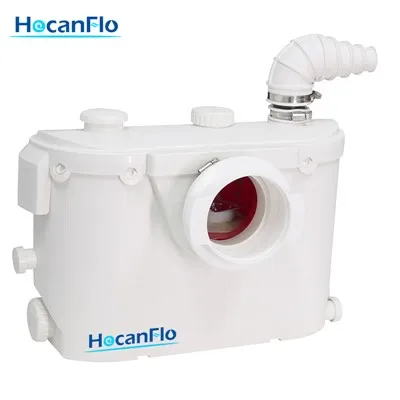
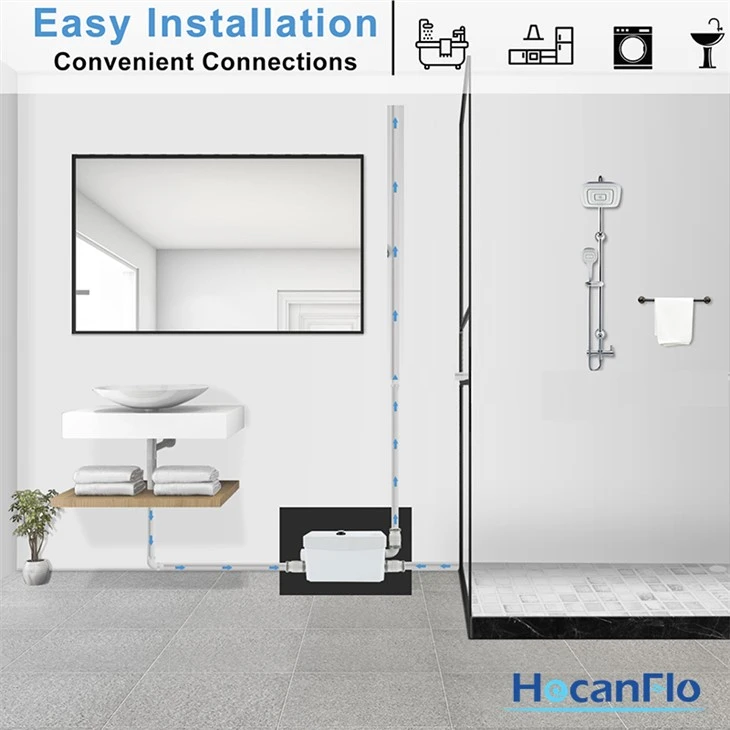
Macerator pumps are designed to break down solid waste into smaller particles, making it easier to pump and transport sewage through pipes. These pumps are commonly used in situations where gravity drainage is not possible or practical, such as in basements, ground - floor extensions, or areas located far from the main sewer line.
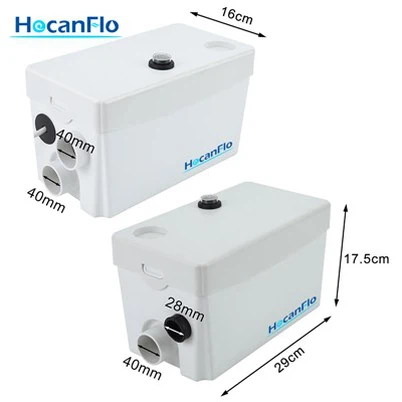
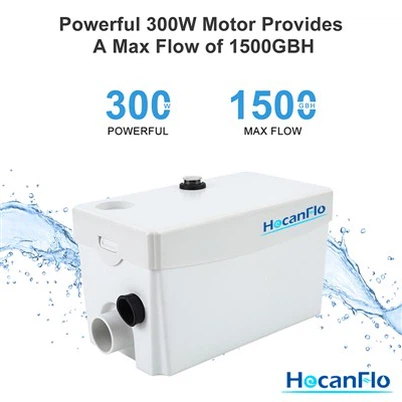
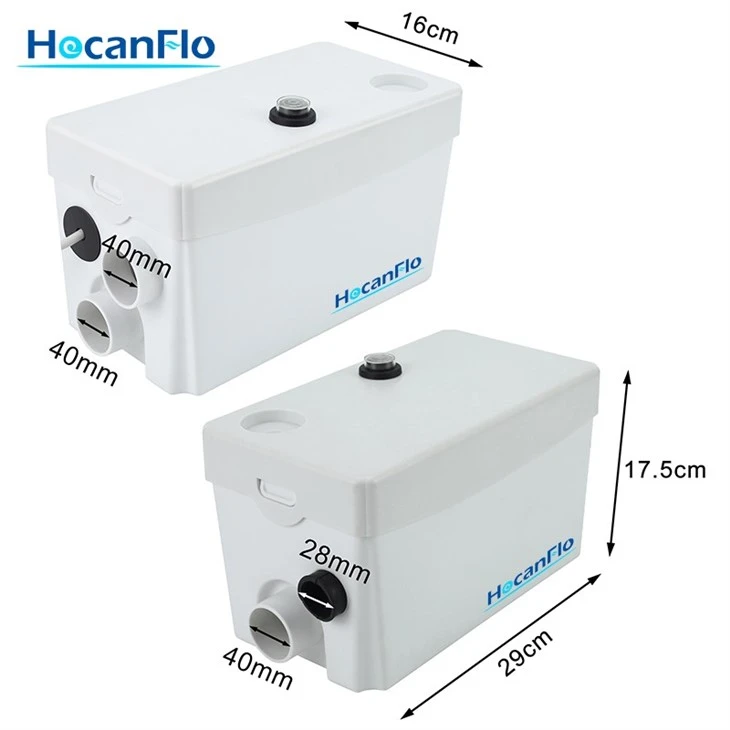
Our 300w Basement Sewage Macerator Pump is a popular choice for homeowners. It is powerful enough to handle the sewage generated in a typical household basement. The macerating mechanism within the pump uses sharp blades to shred solid waste, reducing it to a fine slurry that can be pumped through small - diameter pipes. This allows for more flexible installation options, as the pipes can be routed around obstacles and through tight spaces.
How Septic Tanks Work
Septic tanks are an on - site wastewater treatment system commonly used in rural or suburban areas where there is no access to a municipal sewer system. The septic tank is a large underground container that receives wastewater from the house. Inside the tank, solids settle to the bottom, forming a layer of sludge, while lighter materials such as grease and oil float to the top, creating a scum layer. The liquid portion, known as effluent, flows out of the tank and into a drain field, where it is further treated by the soil.
The proper functioning of a septic tank depends on the balance between the rate of wastewater inflow and the tank's capacity to treat and store solids. Excessive solids can lead to clogging of the drain field and other problems, which is why it is important to ensure that only appropriate materials enter the septic tank.
Benefits of Using a Macerator Pump with a Septic Tank
- Improved Waste Disposal: The macerator pump breaks down solid waste into smaller particles, which can be more easily processed by the septic tank. This reduces the amount of sludge accumulation in the tank, potentially extending the time between septic tank pump - outs. For example, large pieces of toilet paper or food waste that may not break down quickly in a septic tank can be shredded by the macerator pump, allowing them to be more readily decomposed by the bacteria in the tank.
- Flexible Installation: As mentioned earlier, macerator pumps enable flexible pipe routing. This is beneficial for septic tank systems, as it allows for more strategic placement of the septic tank and the connection to the house. The Macerator Pump For Kitchen can be used to pump kitchen wastewater to the septic tank, even if the kitchen is located far from the tank or has an inconvenient layout.
- Enhanced System Performance: By ensuring that the sewage entering the septic tank is in a more manageable form, the macerator pump can contribute to the overall efficiency of the septic tank system. It helps to prevent blockages in the pipes leading to the tank and can reduce the risk of overloading the tank with large, difficult - to - decompose solids.
Potential Issues
- Increased Maintenance: While macerator pumps can reduce sludge in the septic tank, they themselves require regular maintenance. The blades in the pump can become dull over time and may need to be replaced. Additionally, debris can sometimes get caught in the pump, causing it to malfunction. It is important to follow the manufacturer's maintenance instructions carefully to ensure the long - term performance of both the macerator pump and the septic tank system.
- Power Consumption: Macerator pumps are powered by electricity, which means they add to the household's energy consumption. The 300w Sewerage Sewage Pump, for instance, consumes a certain amount of power during operation. Homeowners need to factor in this additional cost when considering using a macerator pump with a septic tank.
- Compatibility with Septic Tank Additives: Some septic tank additives are designed to enhance the decomposition of solids in the tank. However, the use of a macerator pump may change the way these additives work. It is important to consult with a professional or the manufacturer of the septic tank additive to ensure compatibility.
Important Considerations
- Pump Capacity: It is crucial to choose a macerator pump with the appropriate capacity for your household's wastewater generation. An undersized pump may not be able to handle the volume of sewage, leading to backups and other problems. On the other hand, an oversized pump may consume more energy than necessary. Our technical team can assist you in selecting the right pump based on your specific needs.
- Proper Installation: Correct installation of the macerator pump is essential for its proper functioning and the protection of the septic tank system. The pump should be installed at the correct height and connected to the septic tank using the appropriate pipes and fittings. It is recommended to have a professional plumber install the macerator pump to ensure compliance with local plumbing codes.
- Monitoring and Maintenance: Regular monitoring of the macerator pump and the septic tank is necessary. Check the pump for any signs of wear or malfunction, and keep an eye on the septic tank's water level and the condition of the drain field. If you notice any issues, such as slow drainage or foul odors, it is important to address them promptly.
Conclusion
In conclusion, a macerator pump for a house can be used with a septic tank, and in many cases, it can offer significant benefits. The macerator pump helps to improve waste disposal, provides flexible installation options, and enhances the overall performance of the septic tank system. However, it is important to be aware of the potential issues and take the necessary precautions.
As a supplier of high - quality macerator pumps, we are committed to providing our customers with the best products and support. If you are considering using a macerator pump with your septic tank, we encourage you to contact us for more information and to discuss your specific requirements. Our team of experts can help you select the right pump, provide installation guidance, and offer advice on maintenance. We look forward to assisting you in making the most of your septic tank system with our macerator pumps.
References
- "Septic System Owner's Manual", Environmental Protection Agency.
- "Pumping and Sewerage Systems: A Guide for Homeowners", Plumbers Association of America.