Do household macerator pumps need to be lubricated?
Leave a message

Do household macerator pumps need to be lubricated?
As a dedicated supplier of household macerator pumps, I often encounter a common question from customers: Do household macerator pumps need to be lubricated? This query is essential for the proper maintenance and longevity of these pumps, which play a crucial role in many households. In this blog post, I'll delve into this topic, providing you with a comprehensive understanding of lubrication requirements for household macerator pumps.
Understanding Household Macerator Pumps
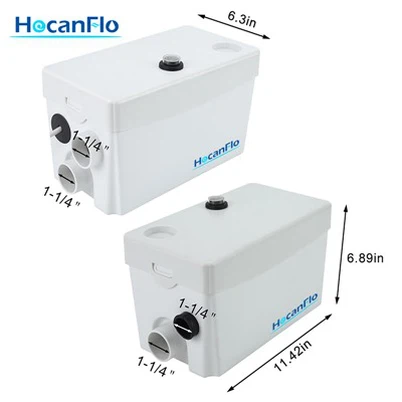
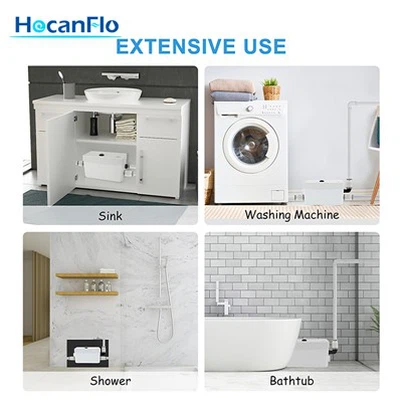
Before we discuss lubrication, it's important to understand what household macerator pumps are and how they work. These pumps are designed to break down solid waste and sewage into smaller particles, allowing it to be easily pumped through pipes. They are commonly used in basements, bathrooms, and other areas where traditional gravity drainage systems are not feasible.
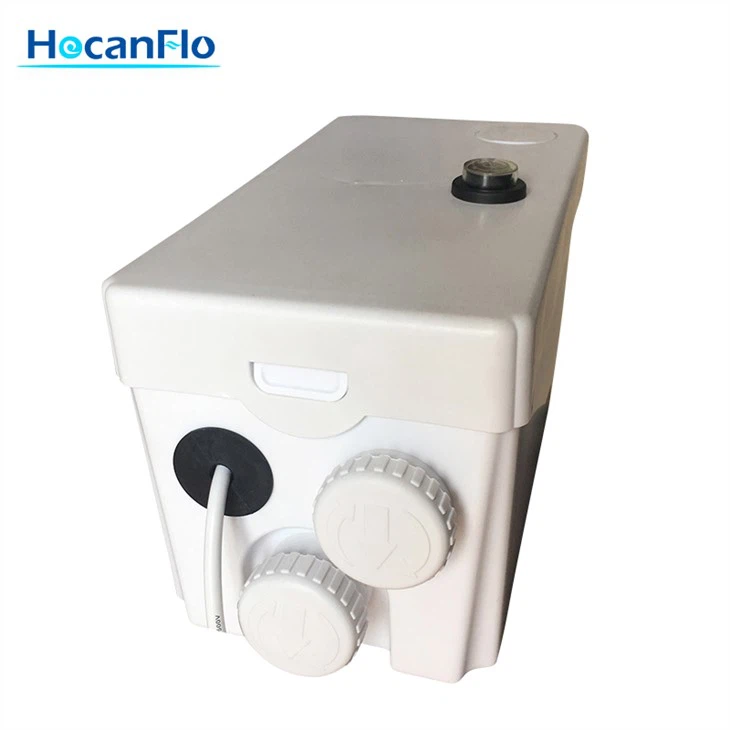
There are several types of household macerator pumps available in the market, each with its own unique features and applications. For instance, the Lightweight Macerator Pump is ideal for applications where portability is a key requirement, while the Sewage Macerating Pump is specifically designed to handle sewage and wastewater. The Sewerage Sewage Pump is another popular option, known for its high efficiency and reliability. The Household Bathroom Macerator Pump is designed for use in bathrooms, where it can handle the waste from toilets, sinks, and showers. Finally, the Basement Sewage Macerator Pump is perfect for basements, where it can pump sewage and wastewater to the main sewer line.
Lubrication Requirements for Household Macerator Pumps
The need for lubrication in household macerator pumps depends on several factors, including the type of pump, its design, and the manufacturer's recommendations. In general, most modern household macerator pumps are designed to operate without the need for external lubrication. This is because they use self - lubricating materials and sealed bearings, which reduce the friction and wear within the pump.
For example, many pumps are equipped with ceramic or stainless - steel components that have excellent wear resistance and do not require additional lubrication. The bearings in these pumps are often sealed and pre - lubricated at the factory, which means they can operate for an extended period without the need for maintenance.
However, there are some exceptions. Some older models of household macerator pumps or pumps with specific components may require lubrication. For instance, if a pump has a mechanical seal that is not self - lubricating, it may need to be lubricated periodically to prevent leakage and ensure proper operation. Additionally, if the pump operates in a harsh environment or under heavy loads, lubrication may be necessary to reduce friction and extend the life of the components.
Benefits of Lubrication
When lubrication is required for a household macerator pump, it offers several benefits. Firstly, lubrication reduces friction between moving parts. Friction can cause heat generation, which can damage the components of the pump over time. By reducing friction, lubrication helps to lower the operating temperature of the pump, which in turn increases its efficiency and reliability.
Secondly, lubrication helps to prevent wear and tear on the pump's components. Moving parts such as bearings, gears, and shafts are subject to wear, especially when operating in a wet and dirty environment like that of a wastewater pump. A proper lubricant forms a protective film on these parts, reducing the direct contact between surfaces and thus minimizing wear.
Finally, lubrication can help to prevent corrosion. The wastewater that a macerator pump handles often contains chemicals and minerals that can corrode the pump's metal components. A good lubricant can act as a barrier, preventing these corrosive substances from coming into contact with the metal surfaces.
How to Lubricate a Household Macerator Pump
If your household macerator pump requires lubrication, it's important to follow the manufacturer's instructions carefully. Here are some general steps:
- Identify the lubrication points: Check the pump's manual to find out where the lubrication points are located. These may include bearings, seals, or other moving parts.
- Choose the right lubricant: Use a lubricant that is recommended by the pump manufacturer. This ensures that the lubricant is compatible with the materials used in the pump and provides the necessary protection.
- Clean the lubrication points: Before applying the lubricant, clean the lubrication points to remove any dirt, debris, or old lubricant. This ensures that the new lubricant can work effectively.
- Apply the lubricant: Use the appropriate tool to apply the lubricant to the lubrication points. Be careful not to over - lubricate, as this can lead to problems such as seal damage or excessive heat generation.
Maintenance and Inspection
Regardless of whether your household macerator pump requires lubrication or not, regular maintenance and inspection are essential. Here are some maintenance tips:
- Inspect the pump regularly: Check for any signs of wear, damage, or leakage. Look for cracks in the housing, loose connections, or abnormal noises during operation.
- Clean the pump: Remove any debris or blockages from the pump inlet and outlet. This can help to prevent the pump from clogging and ensure proper operation.
- Check the electrical connections: Make sure that the electrical connections are secure and free from corrosion. Loose or corroded connections can cause electrical problems and damage the pump.
Conclusion
In conclusion, most modern household macerator pumps are designed to operate without the need for external lubrication. However, it's important to check the manufacturer's recommendations for your specific pump model. If lubrication is required, following the proper lubrication procedures and using the right lubricant can significantly extend the life of your pump and ensure its reliable operation.
As a supplier of high - quality household macerator pumps, we are committed to providing you with the best products and technical support. If you have any questions about lubrication or maintenance of our pumps, or if you are interested in purchasing a macerator pump for your household, please feel free to contact us. We are here to assist you in making the right choice for your needs.

References
- Pump Manufacturer's Manuals
- Technical Journals on Wastewater Pumping Systems