How often should a marine toilet be maintained?
Leave a message

Maintaining a marine toilet is crucial for its longevity, performance, and the overall comfort of your boating experience. As a seasoned supplier of marine toilets, I've encountered numerous inquiries regarding the optimal maintenance frequency. In this blog, I'll delve into the factors influencing maintenance intervals and provide practical guidelines to help you keep your marine toilet in top-notch condition.
Understanding the Basics of Marine Toilet Maintenance
Before discussing how often maintenance should be performed, it's essential to understand what maintenance entails. Marine toilet maintenance typically includes tasks such as cleaning the bowl, checking and replacing seals and gaskets, inspecting the macerator (if applicable), and ensuring proper ventilation. Regular maintenance not only prevents unpleasant odors and clogs but also extends the lifespan of your toilet.
Factors Affecting Maintenance Frequency
Several factors influence how often you should maintain your marine toilet. Let's take a closer look at each of these factors:
Usage Frequency
The more frequently you use your marine toilet, the more often it will require maintenance. If you're an avid boater who uses your toilet multiple times a day, you'll need to perform maintenance more regularly than someone who only uses their toilet occasionally. For heavy users, monthly maintenance may be necessary, while occasional users may be able to get away with quarterly or semi-annual maintenance.
Type of Toilet
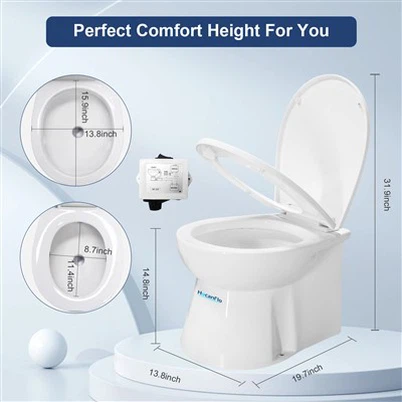
Different types of marine toilets have different maintenance requirements. For example, 12v Macerator Toilet have a macerator pump that grinds waste into smaller particles before pumping it out. These pumps require regular inspection and cleaning to prevent clogs. On the other hand, non-macerating toilets may not require as much attention to the pumping mechanism but still need regular cleaning and seal checks.
Water Quality
The quality of the water used in your marine toilet can also impact maintenance frequency. If you're using saltwater, which is more corrosive than freshwater, you'll need to perform maintenance more often to prevent rust and corrosion. Additionally, if the water contains a lot of sediment or debris, it can clog the pipes and valves, requiring more frequent cleaning.
Waste Disposal Method
The way you dispose of waste from your marine toilet can also affect maintenance. If you're using a holding tank, you'll need to empty it regularly to prevent overflow and odors. The frequency of tank emptying depends on the size of the tank and your usage. If you're discharging waste directly into the water (where permitted), you'll still need to ensure that the discharge system is functioning properly to prevent blockages.
Recommended Maintenance Schedule
Based on the factors mentioned above, here's a general maintenance schedule that you can follow:


Weekly Maintenance
- Clean the Bowl: Use a mild marine toilet cleaner to clean the bowl and remove any stains or debris. Avoid using harsh chemicals that can damage the toilet's components.
- Check the Water Supply: Ensure that the water supply to the toilet is functioning properly and that there are no leaks.
- Inspect the Ventilation: Check the ventilation system to ensure that it's clear and allowing proper airflow. This helps prevent odors from building up in the toilet.
Monthly Maintenance
- Inspect the Macerator (if applicable): If you have a macerating toilet, check the macerator pump for any signs of wear or damage. Clean the impeller and remove any debris that may be clogging the pump.
- Check the Seals and Gaskets: Inspect the seals and gaskets around the toilet bowl, pump, and valves for any signs of leakage or deterioration. Replace any worn or damaged seals as needed.
- Empty the Holding Tank (if applicable): If you're using a holding tank, empty it according to the manufacturer's recommendations. This helps prevent overflow and odors.
Quarterly Maintenance
- Flush the System: Use a tank cleaner or a mixture of water and vinegar to flush the entire toilet system, including the pipes, valves, and macerator (if applicable). This helps remove any built-up debris and prevents clogs.
- Lubricate Moving Parts: Apply a small amount of marine-grade lubricant to the moving parts of the toilet, such as the pump handle and valve stems. This helps ensure smooth operation and prevents corrosion.
Semi-Annual Maintenance
- Perform a Thorough Inspection: Conduct a detailed inspection of the entire toilet system, including the bowl, pump, pipes, valves, and ventilation. Look for any signs of wear, damage, or corrosion. Replace any components that are worn or damaged.
- Test the Macerator (if applicable): If you have a macerating toilet, test the macerator pump to ensure that it's functioning properly. Run a small amount of water through the pump to check for any blockages or unusual noises.
Annual Maintenance
- Replace the Seals and Gaskets: As a preventive measure, replace all the seals and gaskets in the toilet system once a year. This helps ensure a tight seal and prevents leaks.
- Service the Macerator (if applicable): If you have a macerating toilet, have the macerator pump serviced by a professional at least once a year. This includes disassembling the pump, cleaning all the components, and replacing any worn or damaged parts.
Additional Tips for Marine Toilet Maintenance
- Use the Right Products: Always use marine-specific toilet cleaners, tank treatments, and lubricants. These products are designed to be safe for use in marine environments and won't damage the toilet's components.
- Follow the Manufacturer's Instructions: Read and follow the manufacturer's maintenance instructions for your specific marine toilet. Different models may have different maintenance requirements, so it's important to follow the guidelines provided.
- Keep a Maintenance Log: Keep a record of all the maintenance tasks you perform on your marine toilet, including the date, type of maintenance, and any parts that were replaced. This helps you stay organized and ensures that you don't miss any important maintenance tasks.
Conclusion
Maintaining your marine toilet regularly is essential for its proper functioning and longevity. By following the recommended maintenance schedule and taking the necessary precautions, you can prevent costly repairs and ensure a comfortable boating experience. If you have any questions or need further assistance with marine toilet maintenance, don't hesitate to contact us. We're here to help you find the right marine toilet for your needs and provide you with the support and guidance you need to keep it in top condition.
References
- "Marine Toilet Maintenance Guide," BoatUS Magazine
- "How to Maintain Your Marine Toilet," West Marine
- "Marine Toilet Troubleshooting and Maintenance," Practical Sailor