What are the common problems with household macerator pumps?
Leave a message

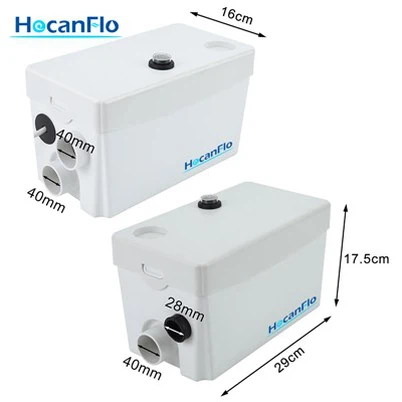
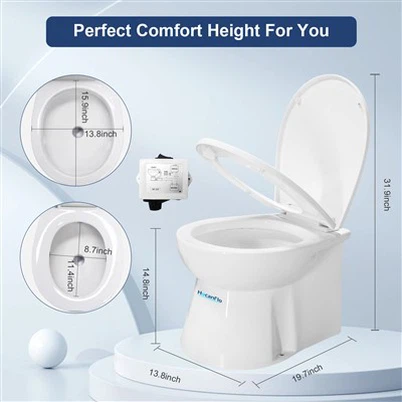
As a supplier of household macerator pumps, I've witnessed firsthand the many challenges that homeowners face when using these devices. Macerator pumps are essential for homes where traditional gravity - based plumbing systems are not feasible, such as basements or additions. They grind up waste into small particles and pump it through pipes, making it possible to install bathrooms and other plumbing fixtures in places where they otherwise couldn't be. However, like any mechanical device, macerator pumps are prone to several common problems.
Clogging
One of the most frequent issues with household macerator pumps is clogging. These pumps are designed to handle human waste and toilet paper, but they can struggle with other items. Many homeowners unknowingly flush non - biodegradable items like wet wipes, sanitary products, dental floss, or even small toys down the toilet. These materials don't break down easily and can get caught in the macerator's blades or impeller, causing the pump to jam.
Even if the item doesn't immediately cause a blockage, it can gradually accumulate over time, reducing the pump's efficiency. For example, a small piece of wet wipe might pass through the blades but get stuck in the pump's housing. As more waste passes through, it can build up around this initial blockage, eventually leading to a complete clog. To prevent clogging, homeowners should be educated about what can and cannot be flushed down toilets connected to macerator pumps.
Electrical Problems
Electrical issues are another common headache. Macerator pumps rely on electricity to operate, and any problems with the electrical supply can lead to malfunctions. A loose connection in the wiring can cause the pump to stop working suddenly or operate intermittently. Over time, electrical components like the motor can also wear out. High humidity in areas where the pump is installed, such as basements, can accelerate this wear and tear.


A worn - out motor might struggle to turn the blades at the proper speed, resulting in inefficient maceration. In some cases, an electrical short can occur, which not only stops the pump from working but can also pose a safety hazard. Regular electrical inspections are crucial to ensure that all connections are secure and that the motor and other electrical components are in good working condition.
Seal and Gasket Failures
The seals and gaskets in a macerator pump are responsible for preventing leaks. These components can deteriorate over time due to constant exposure to water and chemicals in the waste. A failing seal can lead to water leakage, which can damage the pump itself and the surrounding area. If the leak goes unnoticed, it can cause mold growth and structural damage to the floor or walls.
For example, a small crack in the seal around the pump's housing can allow wastewater to seep out. As the leak continues, it can create a pool of water that may eventually reach electrical components, increasing the risk of electrical problems. Regularly checking the seals and gaskets for signs of wear and tear and replacing them at the first sign of damage is essential to prevent these issues.
Noise and Vibration
Excessive noise and vibration are often signs that something is wrong with the macerator pump. A properly functioning pump should operate relatively quietly. However, if the blades are damaged or unbalanced, it can cause the pump to vibrate more than normal. This vibration can not only be annoying but can also lead to further damage to the pump and its mounting.
Loose mounting brackets can also contribute to increased noise and vibration. As the pump vibrates, it can cause the brackets to loosen even more, creating a vicious cycle. Homeowners should investigate any unusual noise or vibration immediately to prevent more serious problems.
Overheating
Macerator pumps can overheat if they are overworked or if there is a problem with the cooling system. If the pump is constantly running due to a high volume of waste or a clog, the motor can generate more heat than it can dissipate. Overheating can cause the motor to burn out, which is a costly repair.
Additionally, a dirty or blocked cooling vent can prevent proper air circulation around the motor, leading to overheating. Regular maintenance, including cleaning the cooling vents and ensuring that the pump is not being overloaded, can help prevent overheating issues.
Lack of Maintenance
Many of the problems with household macerator pumps can be attributed to a lack of regular maintenance. Homeowners often forget about these pumps until they break down. Regular maintenance includes tasks such as cleaning the pump, checking the electrical connections, inspecting the seals and gaskets, and ensuring that the blades are sharp.
A well - maintained pump is less likely to experience the common problems mentioned above. For example, cleaning the pump regularly can prevent the buildup of waste that can lead to clogging. Inspecting the electrical connections can catch loose wires before they cause a major issue.
Solutions and Recommendations
To address these common problems, homeowners should follow some best practices. First, they should only flush items that are approved for macerator pumps. This means sticking to human waste and toilet paper and avoiding non - biodegradable items.
Regular maintenance is key. Homeowners should schedule annual inspections by a professional plumber. During these inspections, the plumber can check the electrical system, the seals and gaskets, and the overall condition of the pump. They can also clean the pump and sharpen the blades if necessary.
If a problem does occur, it's important to address it promptly. Ignoring a small issue like a minor leak or a strange noise can lead to more serious and costly problems down the line.
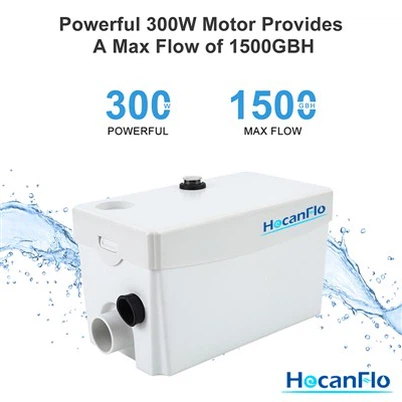
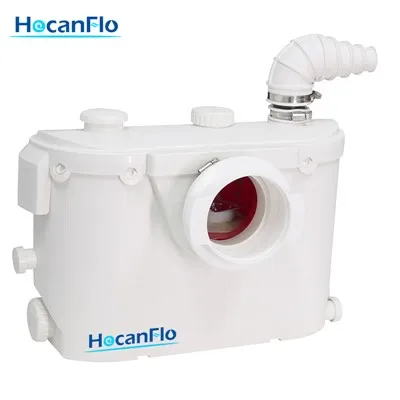
As a supplier of household macerator pumps, we offer a range of high - quality products designed to minimize these common problems. Our Macerator Lifting Pump For Shower is built with durable materials and advanced technology to ensure reliable operation. The same goes for our Basement Sewage Macerator Pump and Sewage Macerator Pump For Basement, which are specifically designed for the unique challenges of basement installations.
If you're experiencing problems with your current macerator pump or are looking to install a new one, we're here to help. Our team of experts can provide advice on the best pump for your needs and offer support throughout the installation and maintenance process. Contact us to discuss your requirements and start a procurement negotiation. We're committed to providing you with the best solutions for your household plumbing needs.
References
- "Residential Plumbing Systems: A Comprehensive Guide" by Plumbing Institute of America
- "Macerator Pump Technology and Maintenance" by Pump Manufacturers Association