What are the differences between a basement macerator pump and a sewage ejector pump?
Leave a message

When it comes to managing wastewater in basements or other low - lying areas, two types of pumps often come into consideration: basement macerator pumps and sewage ejector pumps. As a supplier of basement macerator pumps, I have a deep understanding of both these technologies and their differences. In this blog, I will explore these differences in detail to help you make an informed decision for your specific needs.
1. Operating Principle
Basement Macerator Pump
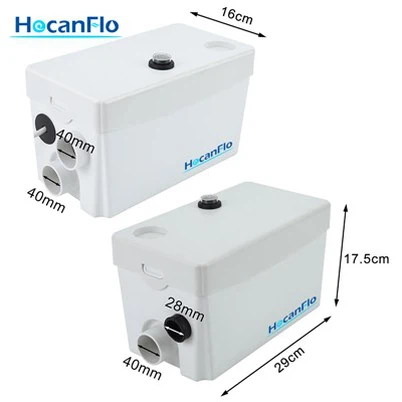
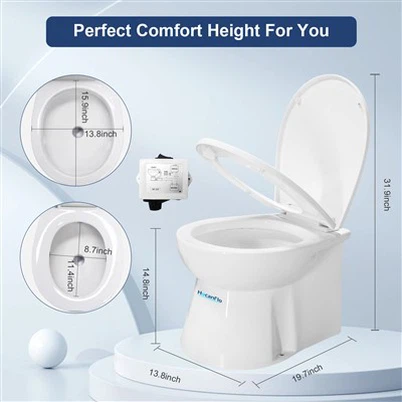
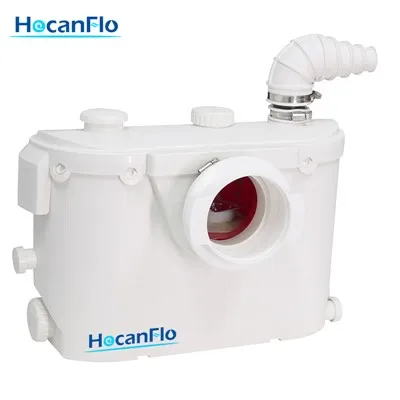
A basement macerator pump is designed to break down solid waste into small particles before pumping it out. Inside the pump, there are sharp blades or cutters that rotate at high speeds. When waste enters the pump, these blades chop the solid materials, such as toilet paper, sanitary products, and food remnants, into tiny pieces. This maceration process reduces the size of the waste, making it easier to pump through smaller diameter pipes. For example, our Toilet Waste Water Macerator Pump uses advanced cutting technology to effectively macerate various types of waste.
Sewage Ejector Pump
On the other hand, a sewage ejector pump does not macerate the waste. Instead, it is designed to handle solid waste in its original form. It uses a powerful impeller to create enough force to push the sewage, including solids, through the pipes. The pump is typically larger and more robust than a macerator pump to accommodate the larger waste particles. It is suitable for pumping waste that contains larger items, such as small toys or pieces of clothing that accidentally find their way into the sewage system.
2. Pipe Size Requirements
Basement Macerator Pump
Due to the maceration process, basement macerator pumps can use smaller diameter pipes. The finely chopped waste can flow through pipes as small as 1 - 1.5 inches in diameter. This is a significant advantage in situations where space is limited, or when you need to install the pipes in tight areas. For instance, in a basement renovation where the existing plumbing layout restricts the use of large pipes, a macerator pump can be a perfect solution. Our 500w Macerator Sewerage Grinder Sewage Pump is compatible with small - diameter pipes, providing flexibility in installation.
Sewage Ejector Pump
Sewage ejector pumps require larger diameter pipes, usually 2 - 4 inches. This is because they need to handle solid waste without macerating it. The larger pipes ensure that the waste can flow freely without causing blockages. However, the need for larger pipes can be a drawback in some situations, such as in older buildings where the existing plumbing infrastructure may not support the installation of large pipes.
3. Power Consumption
Basement Macerator Pump
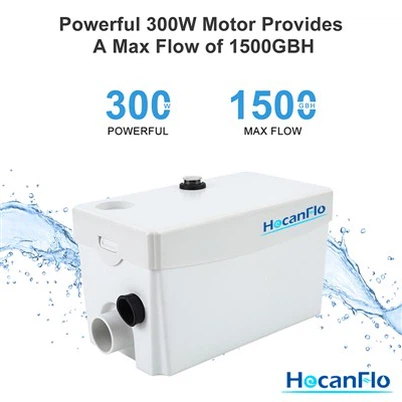
Basement macerator pumps generally consume less power. The maceration process, although it involves high - speed cutting, does not require as much energy as the high - volume pumping action of an ejector pump. Most macerator pumps operate on a relatively low wattage, which can lead to cost savings in the long run. Our Macerating Pump With Reverse Function is designed to be energy - efficient, reducing your electricity bills while still providing reliable performance.
Sewage Ejector Pump
Sewage ejector pumps typically consume more power because they need to generate a large amount of force to move the un - macerated waste through the pipes. The larger impellers and motors required for this task result in higher energy consumption. This can be a concern for those looking to minimize their energy costs or for applications where power supply is limited.
4. Noise Level
Basement Macerator Pump
Macerator pumps tend to be quieter during operation. The maceration process occurs inside a sealed chamber, and the high - speed cutting action is relatively quiet compared to the powerful pumping action of an ejector pump. This makes them a good choice for residential basements or areas where noise is a concern, such as near bedrooms or offices.
Sewage Ejector Pump
Sewage ejector pumps can be quite noisy, especially when they are pumping large volumes of waste. The powerful impeller and motor generate vibrations and noise that can be heard throughout the building. If noise is a major consideration, a macerator pump may be a better option.
5. Maintenance Requirements
Basement Macerator Pump
The maintenance of a basement macerator pump mainly involves checking and cleaning the blades or cutters regularly. Over time, the blades can become dull or clogged with debris, which can affect the maceration performance. However, most macerator pumps are designed for easy access to the cutting components, making maintenance relatively straightforward. Additionally, because the waste is macerated, there is less chance of blockages in the pipes, reducing the need for frequent pipe cleaning.
Sewage Ejector Pump
Sewage ejector pumps require more extensive maintenance. The impeller and the pump housing need to be inspected regularly for wear and tear, as they are exposed to the full force of the solid waste. Blockages are also more common in ejector pumps, as they do not macerate the waste. This may require more frequent pipe cleaning and pump servicing to ensure proper operation.
6. Cost
Basement Macerator Pump
In general, basement macerator pumps are more affordable upfront. They are smaller in size and use less complex technology compared to sewage ejector pumps. However, it's important to consider the long - term costs, including energy consumption and maintenance. As mentioned earlier, macerator pumps are more energy - efficient and require less maintenance, which can offset the initial cost over time.
Sewage Ejector Pump
Sewage ejector pumps are usually more expensive to purchase. Their larger size, more powerful motors, and the need for larger pipes all contribute to the higher cost. Additionally, the higher energy consumption and more extensive maintenance requirements can add to the long - term expenses.
Conclusion and Call to Action
In conclusion, the choice between a basement macerator pump and a sewage ejector pump depends on several factors, including the nature of the waste, pipe size availability, power consumption concerns, noise tolerance, maintenance capabilities, and budget. If you have limited space, need to use small - diameter pipes, want to save on energy costs, and prefer a quieter operation, a basement macerator pump is a great option. On the other hand, if you need to handle large solid waste items and have the space and budget for larger pipes and more powerful equipment, a sewage ejector pump may be more suitable.
As a supplier of high - quality basement macerator pumps, we are committed to providing you with the best products and solutions for your wastewater management needs. If you are interested in learning more about our products or have any questions regarding the selection of the right pump for your project, please feel free to contact us. We look forward to discussing your requirements and helping you make the right choice.


References
- "Plumbing Engineering Design Handbook" by Ashrae
- "Wastewater Treatment and Reuse" by Metcalf & Eddy