What are the installation requirements for a basement macerator pump?
Leave a message

Hey there! I'm a supplier of basement macerator pumps, and I've been in this business for quite a while. I've seen all sorts of installations, and I know what it takes to get a basement macerator pump up and running smoothly. In this blog post, I'm gonna share with you the installation requirements for a basement macerator pump.
Location, Location, Location
The first thing you need to consider when installing a basement macerator pump is the location. You want to choose a spot that's easily accessible for maintenance and repairs. It should also be close to the source of the wastewater, like a toilet, sink, or shower.
Make sure the area is dry and well-ventilated. Basement macerator pumps generate heat when they're running, and proper ventilation helps prevent overheating. Also, keep in mind that the pump needs to be installed on a level surface. If it's not level, it can cause the pump to work harder and potentially lead to premature failure.
Power Supply
A reliable power supply is crucial for the operation of a basement macerator pump. Most pumps require a dedicated electrical circuit. You don't want to share the circuit with other high - power appliances because it can cause voltage drops and affect the pump's performance.
Check the voltage requirements of the pump. For example, our 110V Macerator Sewerage Pump is designed to work with a 110V power supply. Make sure your electrical system can provide the correct voltage and amperage. It's always a good idea to have a licensed electrician install the electrical connections to ensure safety and compliance with local electrical codes.
Plumbing Connections
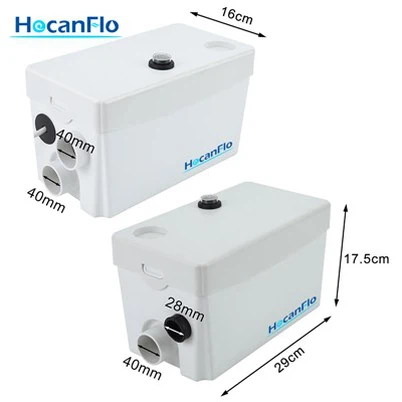
The plumbing connections are another important aspect of the installation. You need to connect the inlet of the macerator pump to the wastewater sources. Use high - quality pipes and fittings to prevent leaks. The pipes should be large enough to allow the free flow of wastewater into the pump.
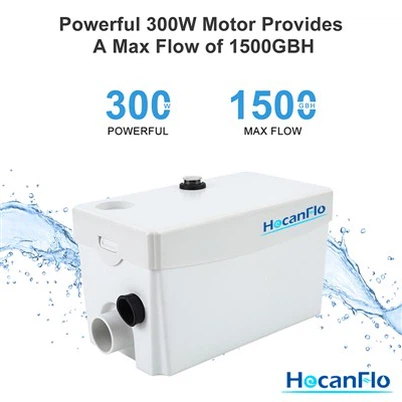
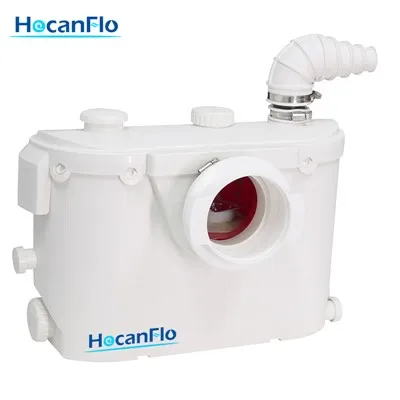
The outlet of the pump needs to be connected to the main sewer line or a septic tank. Make sure the connection is secure and that there are no kinks or bends in the pipes that could restrict the flow. Our 500w Sewerage Grinder Sewage Pump is equipped with a powerful grinder that can handle solid waste, but proper plumbing is still essential for efficient operation.


Discharge Pipe Slope
The discharge pipe from the macerator pump to the sewer line or septic tank should have a proper slope. A slope of at least 1/4 inch per foot is recommended. This helps the wastewater flow downhill by gravity and prevents clogs. If the slope is too flat, the wastewater may not flow properly, and solids can settle in the pipes.
Float Switch Installation
Most basement macerator pumps come with a float switch. The float switch is responsible for turning the pump on and off based on the water level in the pump chamber. Install the float switch according to the manufacturer's instructions. It should be able to move freely without any obstructions.
If the float switch doesn't work correctly, the pump may run continuously or not turn on when it's needed. This can lead to flooding or damage to the pump. Our Fully Automatic Impregnator Sewage Pump has a reliable float switch system that ensures automatic and efficient operation.
Noise and Vibration
Basement macerator pumps can produce some noise and vibration during operation. To minimize these issues, you can install the pump on a vibration - absorbing pad. This helps reduce the noise transmitted to the surrounding area.
You can also insulate the pipes to further dampen the noise. If the pump is installed near living areas, taking these steps can make a big difference in the comfort of your home.
Maintenance Access
Finally, make sure there's enough space around the pump for maintenance. You'll need to access the pump for tasks like cleaning the impeller, checking the seals, and replacing parts if necessary. Don't install the pump in a tight corner where it's difficult to reach.
Conclusion
Installing a basement macerator pump requires careful consideration of several factors, including location, power supply, plumbing connections, discharge pipe slope, float switch installation, noise and vibration reduction, and maintenance access. By following these installation requirements, you can ensure that your pump operates efficiently and reliably for years to come.
If you're in the market for a basement macerator pump or have any questions about installation, feel free to reach out. We're here to help you make the right choice and get your pump installed correctly.
References
- General knowledge and experience in the basement macerator pump industry.
- Manufacturer's manuals for basement macerator pumps.