What is the impeller design of a house macerator pump?
Leave a message

As a supplier of house macerator pumps, I've witnessed firsthand the critical role that impeller design plays in the performance and efficiency of these essential devices. In this blog, I'll delve into the intricacies of impeller design for house macerator pumps, exploring its significance, key features, and how it impacts the overall functionality of the pump.
The Significance of Impeller Design
The impeller is the heart of a house macerator pump. It is responsible for creating the necessary force to move wastewater through the system, as well as macerating solid waste into smaller particles that can be easily pumped away. A well-designed impeller can significantly enhance the pump's performance, reliability, and longevity.


One of the primary functions of the impeller is to generate a high-velocity flow of water. This is achieved through the rotation of the impeller blades, which create a centrifugal force that pushes the water outward. The shape and size of the impeller blades, as well as their angle of attack, are carefully engineered to optimize this flow and ensure efficient operation.
In addition to generating flow, the impeller also plays a crucial role in macerating solid waste. The blades of the impeller are designed to cut and shred solid materials, such as toilet paper, sanitary products, and food waste, into smaller pieces. This not only prevents clogs in the plumbing system but also makes it easier for the pump to transport the waste.
Key Features of Impeller Design
There are several key features that are essential for an effective impeller design in a house macerator pump. These include:
- Blade Shape and Size: The shape and size of the impeller blades have a significant impact on the pump's performance. Blades that are too small or too narrow may not be able to generate enough force to move the wastewater, while blades that are too large or too wide may create excessive turbulence and reduce efficiency.
- Blade Angle: The angle of the impeller blades is also critical. A blade angle that is too steep may cause the pump to cavitate, which can damage the impeller and reduce its lifespan. On the other hand, a blade angle that is too shallow may not provide enough lift to move the wastewater.
- Macerating Teeth: Many impellers in house macerator pumps are equipped with macerating teeth. These teeth are designed to cut and shred solid waste, making it easier for the pump to transport the waste. The number, size, and shape of the macerating teeth can vary depending on the specific application.
- Material: The material used to manufacture the impeller is also important. Impellers are typically made from materials such as stainless steel, cast iron, or plastic. Each material has its own advantages and disadvantages, and the choice of material will depend on factors such as the pump's operating conditions, the type of waste being pumped, and the budget.
Impact of Impeller Design on Pump Performance
The design of the impeller can have a significant impact on the performance of a house macerator pump. A well-designed impeller can improve the pump's efficiency, reduce energy consumption, and prevent clogs in the plumbing system. Here are some of the ways in which impeller design can affect pump performance:
- Efficiency: A well-designed impeller can improve the pump's efficiency by reducing the amount of energy required to move the wastewater. This is achieved through the optimization of the blade shape, size, and angle, as well as the use of macerating teeth to reduce the resistance of the waste.
- Flow Rate: The design of the impeller can also affect the pump's flow rate. A pump with a well-designed impeller can generate a higher flow rate, which means that it can move more wastewater in a shorter period of time. This is particularly important in applications where large volumes of wastewater need to be pumped, such as in commercial buildings or large residential properties.
- Head Pressure: The head pressure of a pump is the amount of pressure that the pump can generate to move the wastewater against gravity. The design of the impeller can affect the pump's head pressure by determining the amount of force that the impeller can generate. A pump with a well-designed impeller can generate a higher head pressure, which means that it can pump wastewater to greater heights.
- Clog Resistance: A well-designed impeller can also improve the pump's clog resistance. The macerating teeth on the impeller can cut and shred solid waste, preventing it from clogging the pump or the plumbing system. This is particularly important in applications where the waste contains large or fibrous materials, such as in a kitchen sink or a basement.
Our Product Offerings
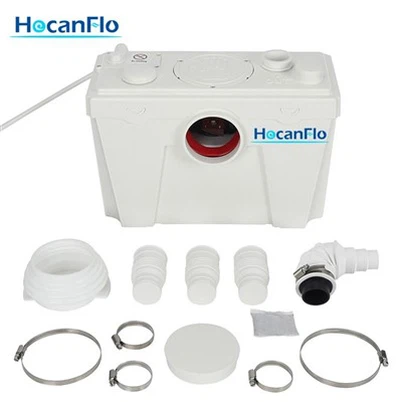
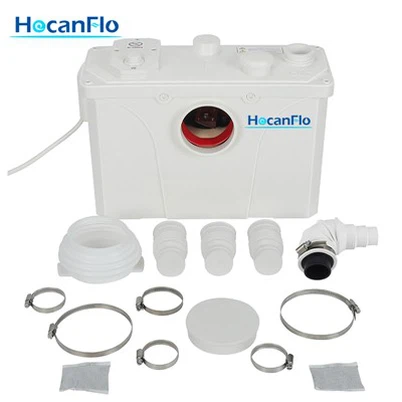
As a supplier of house macerator pumps, we offer a range of products with different impeller designs to meet the needs of our customers. Our 300W Macerator Sewerage Sewage Pump is a popular choice for residential and commercial applications. It features a high-performance impeller with macerating teeth that can cut and shred solid waste, ensuring efficient operation and preventing clogs.
Our Sewerage Sewage Pump is another excellent option for pumping wastewater. It is designed with a robust impeller that can handle a wide range of waste materials, including toilet paper, sanitary products, and food waste.
For kitchen sink applications, we recommend our Macerator Pump For Kitchen Sink. This pump is specifically designed to handle the unique challenges of kitchen waste, such as grease, food particles, and small bones. It features a specialized impeller that can effectively macerate these materials, preventing clogs and ensuring smooth operation.
Our 300w Sewage Pump is a versatile option that can be used in a variety of applications, including basements, laundry rooms, and bathrooms. It is equipped with a powerful impeller that can generate a high flow rate and head pressure, making it suitable for pumping wastewater over long distances or to greater heights.
Finally, our 300w Sewage Macerator Pump For Basement is specifically designed for basement applications. It features a durable impeller that can handle the heavy-duty demands of pumping wastewater from a basement, including solid waste and debris.
Contact Us for Procurement
If you're in the market for a house macerator pump, we'd love to hear from you. Our team of experts can help you choose the right pump for your specific needs and provide you with detailed information about our products and services. Whether you're a homeowner, a contractor, or a commercial property owner, we have the expertise and experience to meet your requirements.
Contact us today to discuss your procurement needs and learn more about our house macerator pumps. We look forward to working with you!
References
- Hydraulic Institute. (2019). ANSI/HI 1.1-1.6-2019 Rotodynamic Pumps - Design and Application.
- Karassik, I. J., Messina, J. P., Cooper, P. T., & Heald, C. C. (2008). Pump Handbook (4th ed.). McGraw-Hill.
- Stepanoff, A. J. (1957). Centrifugal and Axial Flow Pumps: Theory, Design, and Application. Wiley.