What materials are Kitchen Macerator Pumps made of?
Leave a message

Kitchen macerator pumps are essential devices in modern kitchens, designed to handle the disposal of food waste and other debris efficiently. As a leading supplier of kitchen macerator pumps, I often receive inquiries about the materials used in their construction. In this blog post, I will delve into the various materials commonly employed in the manufacturing of kitchen macerator pumps, highlighting their properties, advantages, and applications.
Housing Materials
The housing of a kitchen macerator pump serves as the protective outer shell that encloses the internal components. It must be durable, resistant to corrosion, and able to withstand the rigors of daily use. Two of the most commonly used materials for pump housings are plastic and stainless steel.
Plastic
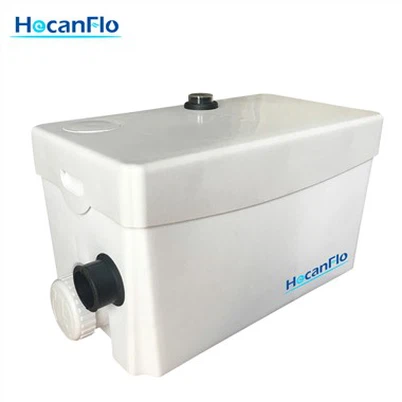
Plastic is a popular choice for pump housings due to its lightweight, cost - effectiveness, and ease of manufacturing. It is typically made from high - density polyethylene (HDPE) or acrylonitrile butadiene styrene (ABS). HDPE is known for its excellent chemical resistance, making it suitable for handling a wide range of substances, including food waste and cleaning agents. ABS, on the other hand, offers good impact resistance and dimensional stability, ensuring that the housing remains intact even when subjected to minor shocks.
One of the main advantages of plastic housings is their affordability. They are generally less expensive to produce than stainless steel housings, which makes them an attractive option for budget - conscious consumers. Additionally, plastic is relatively easy to mold into complex shapes, allowing for more innovative and space - efficient pump designs.
However, plastic housings may not be as durable as stainless steel ones. They can be prone to cracking or warping over time, especially if exposed to high temperatures or harsh chemicals. In some cases, the plastic may also become brittle, reducing its overall lifespan.
Stainless Steel
Stainless steel is a premium material for pump housings, valued for its strength, durability, and corrosion resistance. It is typically made from grade 304 or 316 stainless steel, which contain chromium and nickel, providing excellent protection against rust and oxidation.
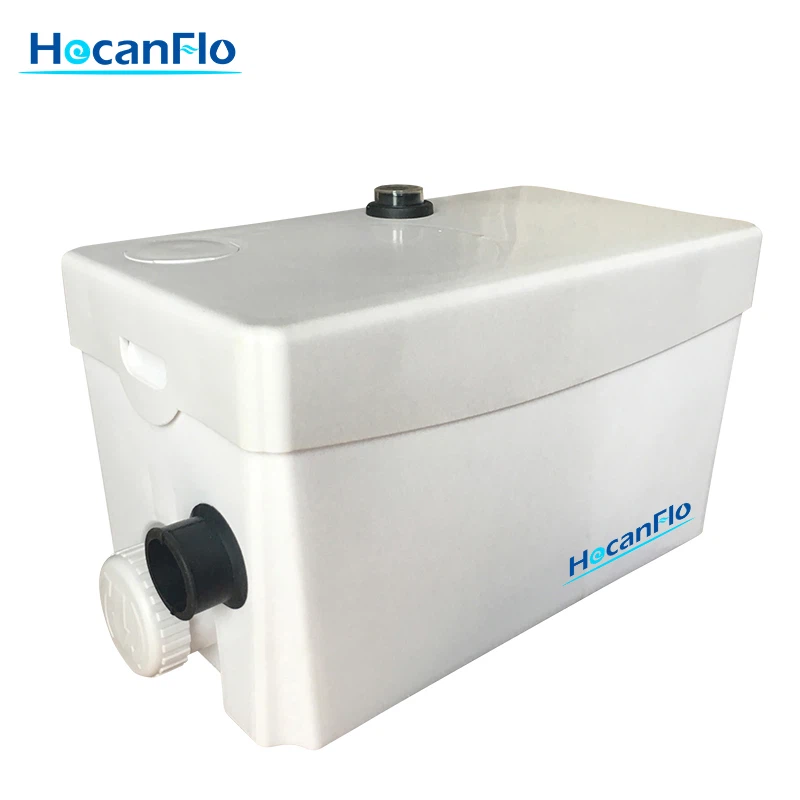

Stainless steel housings are highly resistant to wear and tear, making them suitable for heavy - duty applications. They can withstand high pressures and temperatures, ensuring reliable performance even in demanding environments. Moreover, stainless steel has a sleek and modern appearance, which can enhance the aesthetic appeal of the kitchen.
The main drawback of stainless steel housings is their higher cost. They are more expensive to manufacture than plastic housings, which can make them less accessible for some consumers. Additionally, stainless steel is heavier than plastic, which may make the pump more difficult to install and handle.
Impeller and Cutting Mechanism Materials
The impeller and cutting mechanism are crucial components of a kitchen macerator pump, responsible for grinding and shredding food waste into small particles. These components must be made from materials that are strong, sharp, and resistant to wear.
Cast Iron
Cast iron is a traditional material used in the manufacturing of impellers and cutting mechanisms. It is known for its high strength and durability, making it suitable for heavy - duty applications. Cast iron impellers and blades can withstand high pressures and abrasive forces, ensuring efficient grinding of food waste.
One of the advantages of cast iron is its ability to hold a sharp edge. The cutting blades can be precision - machined to provide a clean and efficient cut, reducing the risk of clogging. Additionally, cast iron is relatively inexpensive, making it a cost - effective option for pump manufacturers.
However, cast iron is prone to corrosion, especially if exposed to moisture or acidic substances. Over time, the corrosion can weaken the impeller and cutting blades, reducing their performance and lifespan. To mitigate this issue, cast iron components are often coated with a protective layer, such as epoxy or powder coating.
Stainless Steel
Stainless steel is also commonly used for impellers and cutting mechanisms. As mentioned earlier, it offers excellent corrosion resistance, ensuring long - term durability. Stainless steel impellers and blades can maintain their sharpness over time, providing consistent performance.
In addition to its corrosion resistance, stainless steel is also lightweight and easy to clean. It is less likely to accumulate food debris and bacteria, which can help to maintain a hygienic kitchen environment. Moreover, stainless steel has a high strength - to - weight ratio, allowing for more efficient operation of the pump.
The main disadvantage of stainless steel is its higher cost compared to cast iron. However, the increased durability and performance of stainless steel components often justify the additional expense.
Sealing Materials
Seals are essential for preventing leaks and ensuring the proper functioning of a kitchen macerator pump. They are typically made from materials that are flexible, resistant to chemicals, and able to withstand high pressures.
Rubber
Rubber is a commonly used material for seals in kitchen macerator pumps. It is known for its excellent flexibility and elasticity, allowing it to form a tight seal around the pump components. Rubber seals can effectively prevent leaks, even under high pressures.
There are several types of rubber used in pump seals, including nitrile rubber (NBR), ethylene propylene diene monomer (EPDM), and fluorocarbon rubber (FKM). NBR is resistant to oil and fuel, making it suitable for applications where there may be contact with lubricants. EPDM offers good resistance to weathering and ozone, making it ideal for outdoor or exposed applications. FKM is highly resistant to chemicals and high temperatures, making it suitable for use in harsh environments.
The main drawback of rubber seals is their susceptibility to degradation over time. Exposure to heat, chemicals, and oxygen can cause the rubber to harden, crack, or lose its elasticity, reducing its sealing effectiveness. Regular inspection and replacement of rubber seals are necessary to ensure the continued performance of the pump.
Silicone
Silicone is another popular material for seals in kitchen macerator pumps. It offers excellent heat resistance, flexibility, and chemical resistance. Silicone seals can withstand high temperatures without losing their shape or elasticity, making them suitable for use in hot water applications.
Silicone is also non - toxic and odorless, which makes it a safe choice for use in food - handling equipment. It is resistant to mold and mildew, ensuring a hygienic environment. Additionally, silicone has a low surface energy, which makes it less likely to attract dirt and debris.
The main disadvantage of silicone seals is their relatively high cost compared to rubber seals. However, the superior performance and durability of silicone seals often make them a worthwhile investment.
Motor Materials
The motor is the heart of a kitchen macerator pump, providing the power necessary to drive the impeller and cutting mechanism. The materials used in the motor construction can have a significant impact on its performance, efficiency, and lifespan.
Copper
Copper is a widely used material for the windings in electric motors. It is an excellent conductor of electricity, allowing for efficient transfer of electrical energy to mechanical energy. Copper windings have low resistance, which reduces energy losses and heat generation, resulting in a more efficient motor.
In addition to its electrical conductivity, copper is also highly ductile and malleable, making it easy to form into the required shapes for motor windings. It is resistant to corrosion, ensuring long - term reliability. Moreover, copper has a high melting point, which allows the motor to operate at high temperatures without damage.
Aluminum
Aluminum is another material used in motor windings, although it is less common than copper. Aluminum is lighter and less expensive than copper, which can make it an attractive option for some pump manufacturers. It also has good electrical conductivity, although not as high as copper.
One of the main disadvantages of aluminum is its lower strength compared to copper. Aluminum windings are more prone to breakage and deformation, especially under high - stress conditions. Additionally, aluminum has a higher coefficient of thermal expansion than copper, which can lead to problems with thermal cycling.
Conclusion
In conclusion, the materials used in the construction of kitchen macerator pumps play a crucial role in their performance, durability, and cost. Each material has its own unique properties and advantages, and the choice of material depends on various factors, such as the intended application, budget, and user requirements.
As a supplier of kitchen macerator pumps, we offer a wide range of products made from different materials to meet the diverse needs of our customers. Whether you are looking for an affordable plastic - housed pump or a high - end stainless steel model, we have the right solution for you.
If you are interested in our 300w Basement Sewage Macerator Pump, Small Bathroom Macerator Sewage Pump or 300w Small Bathroom Macerator Sewage Pump, or if you have any questions about our products, please feel free to contact us. We are always happy to assist you with your procurement needs and provide you with the best possible solutions for your kitchen.
References
- "Pump Handbook" by Igor J. Karassik et al.
- "Materials Science and Engineering: An Introduction" by William D. Callister Jr. and David G. Rethwisch.