What materials are used in the construction of a 240v Macerator Pump?
Leave a message

Hey there! As a supplier of 240v Macerator Pumps, I often get asked about the materials used in these pumps. Well, I'm here to break it down for you in a way that's easy to understand.
Let's start with the basics. A 240v Macerator Pump is a crucial piece of equipment, especially in places where traditional sewage systems can't be easily installed. It's designed to grind up waste and pump it through small - diameter pipes. So, what goes into making these pumps?
The Housing
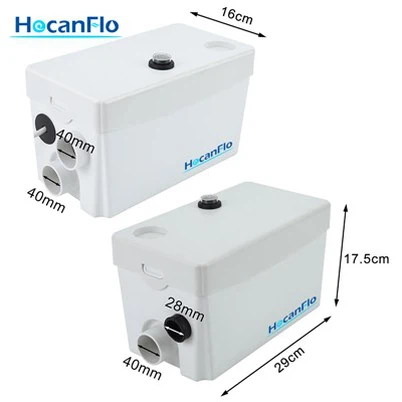
The housing of a 240v Macerator Pump is usually made from high - quality plastics or cast iron.
Plastic Housing:
Plastic is a popular choice for many manufacturers, including us. It's lightweight, which makes the pump easier to handle during installation. Polypropylene is a common plastic used. It's resistant to corrosion, especially against the chemicals and acids that can be present in sewage. This means the pump can last a long time without the housing deteriorating. Also, plastic is relatively inexpensive compared to other materials, which helps keep the cost of the pump down for you, the customer.
Cast Iron Housing:
On the other hand, cast iron housings are known for their durability. They can withstand a lot of wear and tear, and they're less likely to crack under pressure. Cast iron is also great at dissipating heat, which is important because the motor in the pump generates a fair amount of heat during operation. However, cast iron is heavier than plastic, so installation might be a bit more challenging. But if you're looking for a pump that will last for decades, a cast - iron - housed macerator pump could be the way to go.
The Impeller
The impeller is like the heart of the macerator pump. It's responsible for grinding up the waste and moving it through the system.
Stainless Steel Impeller:
Most of the time, we use stainless steel to make the impeller. Stainless steel is incredibly strong and resistant to corrosion. The sharp edges of the impeller need to be tough enough to cut through all sorts of waste, from toilet paper to solid waste. Stainless steel can handle this job without getting dull quickly. It also doesn't rust, which is essential in a wet and dirty environment like a sewage system.
The Motor
The motor is what powers the whole operation. It needs to be reliable and efficient.
Copper Windings:
Inside the motor, you'll find copper windings. Copper is an excellent conductor of electricity. It allows the motor to convert electrical energy into mechanical energy with minimal loss. This means the pump can run more efficiently, saving you money on electricity bills in the long run. Also, copper is durable and can withstand the heat generated during motor operation.
Aluminum Casing:
The motor is usually encased in an aluminum casing. Aluminum is lightweight and has good heat - dissipating properties. It helps keep the motor cool, which extends its lifespan. If the motor overheats, it can cause damage to the internal components and reduce the pump's performance.
The Seals
Seals are vital to prevent leaks in the pump.


Rubber Seals:
We use high - quality rubber seals in our 240v Macerator Pumps. Rubber is flexible and can create a tight seal between different parts of the pump. It's resistant to water and many chemicals, which is important in a sewage environment. The seals prevent sewage from leaking out of the pump, which not only keeps your surroundings clean but also protects the motor and other internal components from damage.
The Float Switch
The float switch is what tells the pump when to turn on and off.
Plastic and Metal Components:
The float switch typically has a plastic body and metal contacts. The plastic body is buoyant and can float on the surface of the sewage. When the sewage level rises, the float switch moves up, and the metal contacts close, sending a signal to the motor to start pumping. When the sewage level drops, the float switch moves down, and the contacts open, turning off the motor.
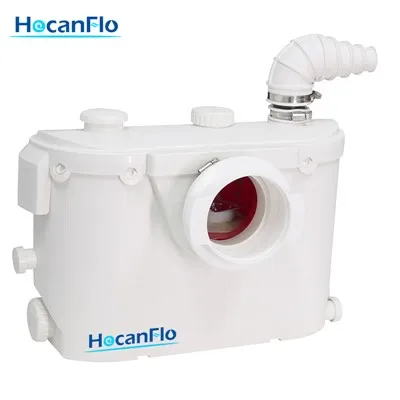
Now, let me tell you about some of the great products we offer. We have the Fully Automatic Impregnator Sewage Pump, which is designed for efficient and automatic sewage handling. Our Macerator Waste Water Pump is perfect for dealing with waste water in various settings. And if you're looking for a pump for your bathroom, our Full Bathroom Macerator Pump is a great choice.
If you're in the market for a 240v Macerator Pump, we're here to help. We've carefully selected these materials to ensure that our pumps are reliable, durable, and efficient. Whether you're a homeowner looking to install a pump in your basement or a contractor working on a large - scale project, we have the right pump for you.
If you have any questions or want to discuss your specific needs, don't hesitate to reach out. We're always happy to have a chat and help you find the perfect macerator pump for your situation.
References
- Pump Handbook, Karassik, I. J., Messina, J. P., Cooper, P. T., & Heald, C. C.
- Principles of Pumping Machinery, Gulich, J. F.