Can a household macerator pump be used for a photography studio?
Leave a message

As a seasoned supplier of household macerator pumps, I've had numerous clients and inquiries about the versatility of these devices. A question that often surfaces is whether a household macerator pump can be utilized in a photography studio. This blog post will explore this topic comprehensively, weighing the pros and cons, and providing an in - depth analysis to help you make an informed decision.
Understanding Household Macerator Pumps
Before delving into their applicability in a photography studio, let's understand what household macerator pumps are. These pumps are designed to handle sewage and wastewater from toilets, sinks, and other domestic sources. They come equipped with sharp blades that break down solid waste into small particles, which can then be easily pumped through pipes.
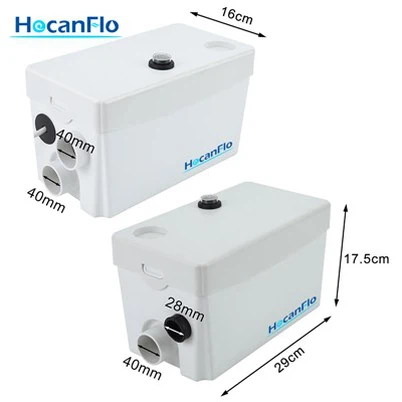
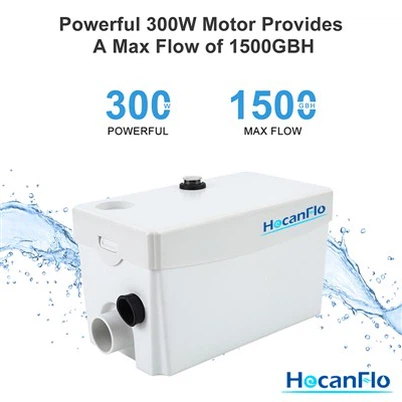
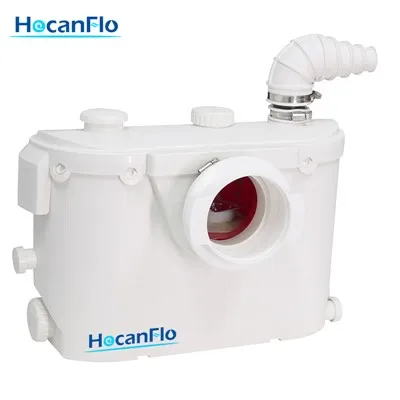
Some of our popular models include the 300w Sewage Macerator Pump and the Macerator Pump For Kitchen. These pumps are known for their reliability, efficiency, and ability to handle various types of waste.
Common Uses in a Photographic Studio
Darkroom and Developing Tanks
In the traditional photography process, a darkroom is essential for developing film and printing photographs. Darkrooms have a series of tanks filled with different chemicals, such as developers, fixers, and stop - baths. Over time, these chemicals need to be drained and replaced.
A household macerator pump could potentially be used to pump out the waste chemicals from the developing tanks. By breaking down any solid particles in the chemicals, the pump ensures a smooth and unobstructed flow through the drainage system. However, it's important to note that the chemicals used in photography are often corrosive, so the pump needs to be made of materials that can withstand such substances.


Sink and Drainage in the Studio
Photography studios usually have sinks for cleaning equipment like cameras, lenses, and other accessories. The wastewater from these sinks may contain dirt, dust, and small debris. A household macerator pump can efficiently break down these solid particles and pump the wastewater out of the studio.
For instance, the Sewage Macerator Pump For Basement could be a great option for this application, as it's designed to handle the drainage needs of a relatively small area such as a studio sink.
Limitations and Considerations
Chemical Compatibility
As mentioned earlier, photography chemicals are often corrosive. Some household macerator pumps are made of materials that may not be able to withstand these chemicals. For example, certain plastics can dissolve or become brittle when exposed to strong photographic chemicals. Therefore, it is crucial to choose a pump that is made of corrosion - resistant materials, such as stainless steel or specific types of polymers.
Noise Level
In a photography studio, a quiet environment is often preferred. Some household macerator pumps can be quite noisy when in operation. The sound of the blades rotating and the pumping action can be a distraction, especially during a photo shoot. It's advisable to choose a pump with a low noise level or install it in a location where the noise won't interfere with the studio activities.
Installation Requirements
Installing a household macerator pump in a photography studio may require some modifications to the existing plumbing system. This can be a complicated process, especially if the studio is in an older building. It's essential to have a professional plumber install the pump to ensure that it is set up correctly and that there are no leaks or other plumbing issues.
Maintenance of Macerator Pumps in a Photography Studio
Regular Cleaning
To keep the macerator pump functioning properly, regular cleaning is necessary. In a photography studio, where the wastewater may contain chemicals and debris, the pump can get clogged more easily. Cleaning the blades and the interior of the pump at regular intervals can prevent blockages and ensure a long - term, efficient operation.
Checking the Seals
The seals in a macerator pump play a crucial role in preventing leaks. In a studio environment, where water damage can be particularly harmful to photography equipment, it's important to regularly check the seals for any signs of wear or damage. If a seal is damaged, it should be replaced immediately.
Cost - Benefit Analysis
Initial Investment
The cost of purchasing a household macerator pump can vary depending on the model and features. However, compared to other types of pumps or drainage systems, household macerator pumps are generally more affordable. This makes them an attractive option for small - to - medium - sized photography studios on a budget.
Long - Term Savings
By using a macerator pump, a photography studio can avoid potential plumbing problems caused by clogged drains. This can save money in the long run, as the cost of plumbing repairs can be quite high. Additionally, a properly functioning macerator pump can extend the lifespan of the studio's plumbing system.
Conclusion
In conclusion, a household macerator pump can be used in a photography studio, but there are several factors to consider. The pump can be useful for draining wastewater from darkroom tanks and studio sinks. However, issues such as chemical compatibility, noise level, and installation requirements need to be carefully evaluated.
If you're considering using a household macerator pump in your photography studio and would like more information about our products, we're here to help. Reach out to us for more detailed advice, technical specifications, or to discuss your specific needs. We're a leading supplier of high - quality macerator pumps, and we'd be glad to assist you in finding the right solution for your studio.
References
- Plumbing Handbook for Residential and Small Commercial Buildings
- Guide to Chemical Compatibility in Pump Materials
- Best Practices for Macerator Pump Installation and Maintenance