What are the factors that affect the performance of a basement macerator pump?
Leave a message

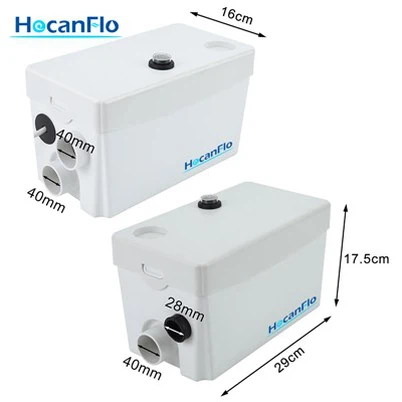
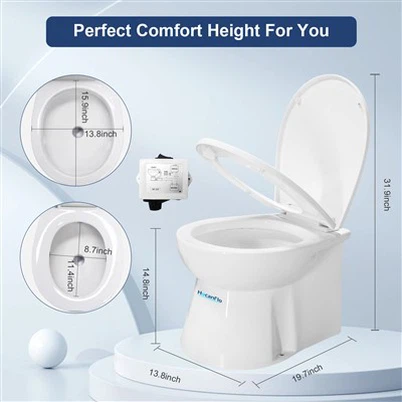
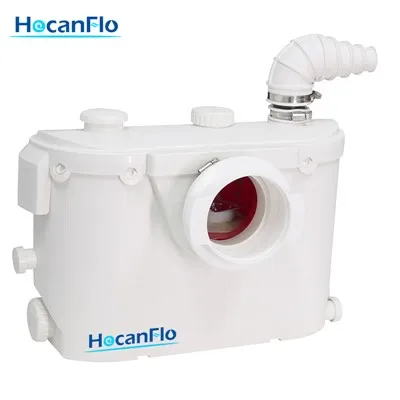
As a supplier of Basement Macerator Pumps, I've witnessed firsthand the importance of these devices in managing wastewater in basements. A basement macerator pump is a crucial piece of equipment that grinds solid waste into small particles and pumps it through a small - diameter pipe to the main sewer line or septic system. However, various factors can significantly impact its performance. In this blog, we'll explore these factors in depth to help you ensure your pump operates at its best.
1. Waste Composition
The nature of the waste being pumped is a fundamental factor affecting the performance of a basement macerator pump. Different types of waste have varying degrees of grindability.
Solid waste such as toilet paper, feces, and small food particles are common components that a macerator pump is designed to handle. Most pumps are optimized to cut and grind these softer materials effectively. However, if non - biodegradable items like baby wipes, feminine hygiene products, or dental floss find their way into the pump, it can cause serious problems. These materials tend to wrap around the cutting blades, dulling them over time and eventually leading to clogging. This can reduce the pump's efficiency or even cause it to stop working altogether.
For instance, a study by the Water Environment Federation showed that non - flushable items are a leading cause of pump failures in residential and commercial sewage systems. To avoid such issues, it's essential to educate users about what can and cannot be flushed into the macerator pump.
2. Pump Power and Capacity
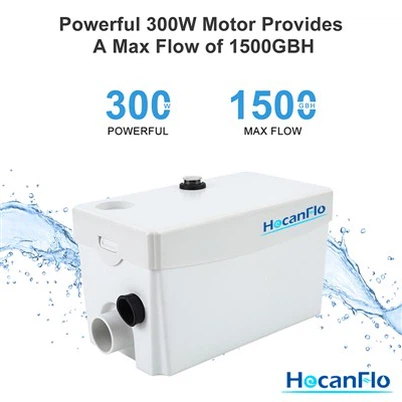
The power and capacity of the pump play a vital role in its performance. A 220v Macerator Pump with insufficient power may struggle to grind and pump large volumes of waste. The wattage of the pump is a key indicator of its power. A 500 - watt macerator pump, like the 500w Macerator Toilet Pump, generally provides enough power for most residential basement applications.
However, if you have a large basement with multiple plumbing fixtures or if there is a high volume of waste generated, you may need a more powerful pump. The capacity of the pump, usually measured in gallons per minute (GPM), determines how quickly it can move the macerated waste. A pump with a low GPM may not be able to keep up with the incoming flow of wastewater, leading to backups and potential flooding in the basement.
3. Pipe Diameter and Length
The diameter and length of the discharge pipe connected to the macerator pump can have a significant impact on its performance. A smaller - diameter pipe creates more resistance to the flow of the macerated waste. This means that the pump has to work harder to push the waste through the pipe. If the pipe is too small, it can cause the pump to overheat and decrease its lifespan.


On the other hand, the length of the pipe also matters. A longer pipe requires more energy to pump the waste through it. If the pipe is excessively long, the pressure at the end of the pipe may drop, resulting in slower flow rates and potential clogs. It's important to choose the right pipe diameter and keep the pipe length as short as possible within the installation constraints.
4. Installation Quality
Proper installation is critical for the optimal performance of a Basement Macerator Pump. If the pump is not installed level, it can cause uneven wear on the components, leading to premature failure. Additionally, incorrect alignment of the pipe connections can cause leaks and reduce the efficiency of the pump.
The location of the pump also matters. It should be installed in a dry, accessible area to allow for easy maintenance and repairs. If the pump is installed in a wet or flooded area, it can lead to electrical problems and corrosion of the pump components. Professional installation by a qualified plumber is highly recommended to ensure that all installation requirements are met.
5. Maintenance Practices
Regular maintenance is essential to keep the basement macerator pump performing at its peak. One of the key maintenance tasks is inspecting the cutting blades. Over time, the blades can become dull or damaged, which affects their ability to grind the waste effectively. Sharpening or replacing the blades as needed can significantly improve the pump's performance.
Another important aspect of maintenance is cleaning the pump and the discharge pipe. Sediments and debris can accumulate inside the pump and the pipe, causing blockages. Flushing the system regularly with clean water can help prevent these blockages. It's also important to check the seals and gaskets for leaks and replace them if necessary.
6. Water Temperature and Viscosity
The temperature and viscosity of the water being pumped can also affect the performance of the macerator pump. Cold water is generally more viscous than warm water, which means that the pump has to work harder to move it. In extremely cold conditions, the water can even freeze inside the pump or the pipes, causing damage.
In addition, if the water contains a high concentration of solids or chemicals, it can increase the viscosity and make it more difficult for the pump to operate. For example, wastewater from industrial processes may have a different chemical composition and higher viscosity compared to domestic wastewater. Understanding the characteristics of the water being pumped and choosing a pump that can handle these conditions is crucial.
7. Electrical Supply
A stable and appropriate electrical supply is necessary for the proper functioning of the macerator pump. If the voltage is too low, the pump may not have enough power to operate at full capacity. On the other hand, if the voltage is too high, it can damage the electrical components of the pump.
It's important to ensure that the electrical wiring is properly sized and installed according to the pump's specifications. Using an appropriate circuit breaker and grounding the pump correctly can also prevent electrical problems and ensure the safety of the installation.
In conclusion, several factors can affect the performance of a basement macerator pump. By understanding these factors and taking the necessary steps to address them, you can ensure that your pump operates efficiently and reliably for a long time. If you're in the market for a high - quality basement macerator pump or need advice on installation and maintenance, Basement Macerator Pump, we'd be happy to assist you. Feel free to contact us to discuss your specific requirements and start a procurement negotiation.
References
- Water Environment Federation. "The Impact of Non - Flushable Items on Sewage Systems."
- Various technical manuals and guides from macerator pump manufacturers.