Can a macerator pump for a house be used in a stable for manure disposal?
Leave a message

As a supplier of macerator pumps for houses, I often receive inquiries from customers looking for versatile solutions to various waste disposal problems. One question that has come up quite frequently is whether a macerator pump designed for a house can be used in a stable for manure disposal. In this blog post, I will explore this topic in detail, considering the technical aspects, practicalities, and potential benefits and drawbacks.
Understanding Macerator Pumps for Houses
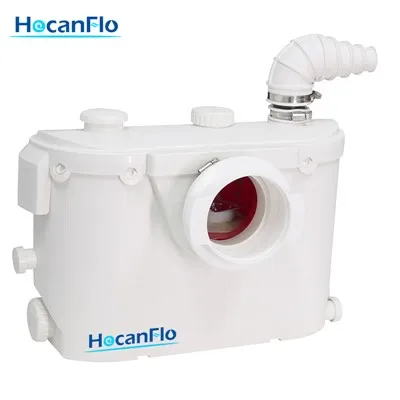
Before delving into the applicability of house macerator pumps in stables, it's essential to understand what these pumps are and how they work. A macerator pump is a device that grinds solid waste into small particles, making it easier to pump through pipes. These pumps are commonly used in residential settings to handle sewage, wastewater, and other types of waste that may contain solid materials.
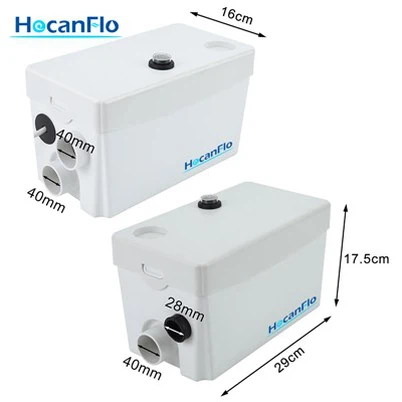
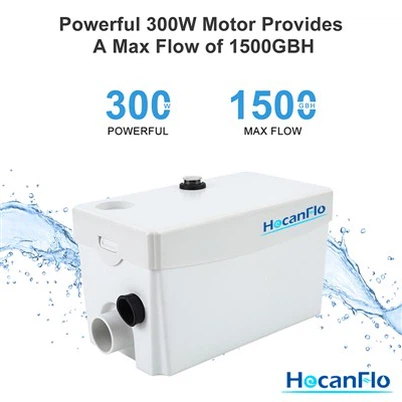
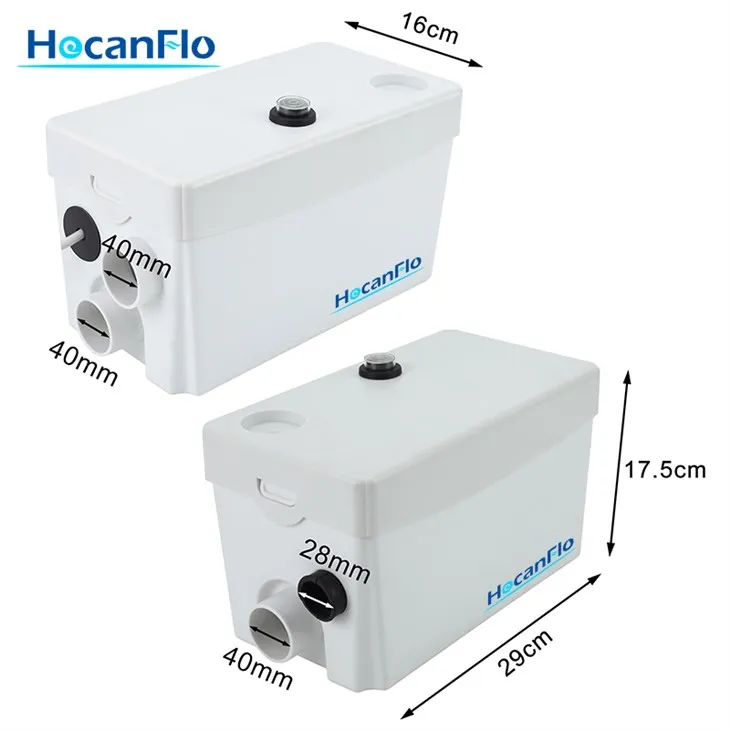
The 300W Macerator Sewerage Sewage Pump is a popular choice among homeowners. It is designed to efficiently macerate and pump sewage, reducing the risk of blockages in the plumbing system. The pump typically consists of a powerful motor, a cutting mechanism, and a pumping chamber. When waste enters the pump, the cutting blades shred the solid materials into fine particles, which are then pumped out through the discharge pipe.
Another option is the The Macerator Pump For Kitchen. This type of pump is specifically designed to handle food waste and other debris that may accumulate in the kitchen sink. It is equipped with a more robust cutting mechanism to deal with tougher materials such as bones and vegetable peels.
The 300w Sewage Pump is also a reliable choice for general sewage disposal in a house. It offers a good balance between power and efficiency, making it suitable for most residential applications.
Manure Disposal in Stables
Manure disposal is a significant challenge in stables. Horse manure, in particular, contains a high percentage of fibrous materials, which can be difficult to handle. If not properly managed, manure can accumulate, leading to unpleasant odors, health hazards, and environmental pollution.
Traditional methods of manure disposal in stables include manual removal, composting, and spreading on fields. While these methods are effective, they can be time-consuming and labor-intensive. In recent years, there has been an increasing interest in using mechanical solutions, such as macerator pumps, to streamline the manure disposal process.
Can a House Macerator Pump Be Used in a Stable?
The short answer is yes, a house macerator pump can potentially be used in a stable for manure disposal. However, there are several factors to consider before making a decision.
Technical Compatibility
One of the primary concerns is the technical compatibility of the pump with the type of waste it will be handling. Horse manure is different from household sewage in terms of its composition and consistency. It contains a higher proportion of fibrous materials, such as hay and straw, which can be more challenging to macerate.
Most house macerator pumps are designed to handle relatively soft and small solid particles. If the pump is not powerful enough or does not have a suitable cutting mechanism, it may struggle to break down the fibrous materials in horse manure. This can lead to clogging and reduced pump performance.
To ensure technical compatibility, it is important to choose a macerator pump with a powerful motor and a robust cutting mechanism. A pump with a higher horsepower and sharper cutting blades will be better able to handle the tough fibrous materials in horse manure.
Capacity and Flow Rate
Another important factor to consider is the capacity and flow rate of the pump. Stables generate a significant amount of manure, especially if there are multiple horses. The pump needs to be able to handle the volume of waste produced in a timely manner.
When selecting a pump, it is important to consider the size of the stable, the number of horses, and the frequency of manure removal. A pump with a higher flow rate will be able to pump more manure in a shorter period of time, reducing the risk of waste accumulation.
Environmental Considerations
Manure disposal in stables also has environmental implications. Horse manure contains nutrients, such as nitrogen and phosphorus, which can be beneficial for soil fertility if properly managed. However, if not disposed of correctly, these nutrients can leach into the groundwater and cause pollution.
When using a macerator pump for manure disposal, it is important to ensure that the waste is properly treated and disposed of in an environmentally friendly manner. This may involve composting the macerated manure or using it as a fertilizer on fields.
Benefits of Using a Macerator Pump in a Stable
Despite the challenges, there are several benefits to using a macerator pump in a stable for manure disposal.
Efficiency
One of the main advantages of using a macerator pump is increased efficiency. Manual manure removal can be a time-consuming and labor-intensive process. A macerator pump can automate the process, reducing the amount of time and effort required.
The pump can quickly and efficiently macerate the manure, making it easier to transport and dispose of. This can save valuable time and resources for stable owners.
Reduced Odors
Macerating the manure can also help to reduce odors in the stable. When manure is left to accumulate, it can produce unpleasant smells. By grinding the manure into smaller particles, the pump can reduce the surface area available for odor-causing bacteria to grow.
This can create a more pleasant environment for both the horses and the stable staff.
Improved Hygiene
Proper manure disposal is essential for maintaining good hygiene in the stable. A macerator pump can help to prevent the accumulation of manure, which can attract flies and other pests. By keeping the stable clean and free of waste, the pump can reduce the risk of disease transmission.
Drawbacks of Using a Macerator Pump in a Stable
While there are several benefits to using a macerator pump in a stable, there are also some drawbacks to consider.
Cost
One of the main drawbacks is the cost. Macerator pumps can be expensive, especially if you need a high-capacity pump with a powerful motor. In addition to the initial purchase cost, there are also ongoing maintenance and operating costs to consider.
The pump will need to be regularly serviced and maintained to ensure optimal performance. This may involve replacing the cutting blades, cleaning the pump, and checking the motor.
Noise and Vibration
Macerator pumps can also be noisy and produce vibration. This can be a concern in a stable environment, where the horses may be sensitive to noise and movement.
To minimize the impact of noise and vibration, it is important to choose a pump that is designed to operate quietly. Some pumps come with noise-reducing features, such as sound insulation and vibration dampening.
Conclusion
In conclusion, a house macerator pump can be used in a stable for manure disposal, but it is important to carefully consider the technical compatibility, capacity, and environmental implications. While there are some challenges and drawbacks, the potential benefits of increased efficiency, reduced odors, and improved hygiene make it a viable option for many stable owners.

If you are considering using a macerator pump in your stable, I encourage you to contact me for more information. I can help you select the right pump for your specific needs and provide you with professional advice on installation and maintenance.
References
- "Horse Manure Management," University of Kentucky College of Agriculture, Food and Environment.
- "Macerator Pumps: How They Work and When to Use Them," PlumbingSupply.com.
- "Environmental Impact of Manure Management in Stables," Journal of Environmental Management.