How do I optimize the performance of a sewage macerator pump?
Leave a message

Yo! I'm a supplier of sewage macerator pumps, and today I wanna chat about how to optimize the performance of these bad boys. Whether you're using them in a residential, commercial, or industrial setting, getting the most out of your sewage macerator pump is crucial for smooth operation and long - term cost savings.
Understanding the Basics
First things first, let's understand what a sewage macerator pump does. It's designed to break down solid waste into smaller particles so that it can be pumped through pipes more easily. This is super handy in situations where gravity can't do the job, like when you're installing a bathroom below the main sewer line or dealing with a septic system.
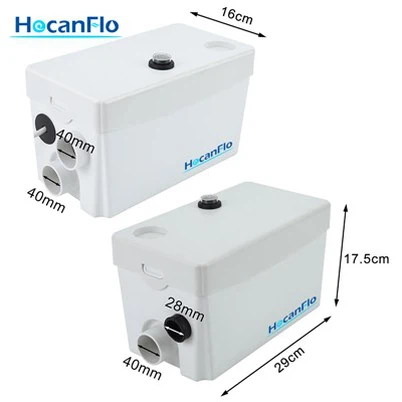
The key components of a sewage macerator pump include the motor, the macerator blades, and the impeller. The motor provides the power, the macerator blades chop up the solid waste, and the impeller moves the liquid and the chopped - up waste through the pump and into the pipes.
Proper Installation
One of the most important factors in optimizing the performance of a sewage macerator pump is proper installation. If the pump isn't installed correctly, it can lead to all sorts of problems, like reduced flow rate, increased wear and tear, and even pump failure.
- Location: The pump should be installed in a dry, well - ventilated area. It should be close to the source of the sewage but also easily accessible for maintenance. Avoid installing it in areas where it can get flooded or exposed to extreme temperatures.
- Piping: Make sure the pipes are the right size and have the correct slope. The pipes should be large enough to allow the sewage to flow freely without getting clogged. Also, the pipes should slope downward toward the sewer or septic system to take advantage of gravity wherever possible.
- Electrical Connection: The electrical connection should be done by a qualified electrician. Use the correct gauge of wire, and make sure the pump is properly grounded. A faulty electrical connection can not only damage the pump but also pose a safety hazard.
Regular Maintenance
Regular maintenance is the secret sauce to keeping your sewage macerator pump running at its best. Here are some maintenance tasks you should do on a regular basis:
- Inspection: Check the pump and its components regularly for signs of wear and tear, damage, or leaks. Look at the macerator blades to see if they're sharp and in good condition. If the blades are dull or damaged, they won't be able to chop up the solid waste effectively, which can lead to clogging.
- Cleaning: Clean the pump and the pipes periodically to remove any built - up debris. This can prevent blockages and keep the flow rate up. You can use a non - abrasive cleaner and a soft brush to clean the pump.
- Lubrication: Some pumps require lubrication for the moving parts. Check the manufacturer's instructions to see if your pump needs to be lubricated and how often. Using the right type of lubricant is also important.
Choosing the Right Pump
When it comes to optimizing performance, choosing the right sewage macerator pump in the first place is crucial. Consider the following factors:


- Capacity: The capacity of the pump should match the amount of sewage you need to handle. If you choose a pump that's too small, it will have to work harder and may not be able to keep up with the demand. On the other hand, if you choose a pump that's too large, it will waste energy and may not operate efficiently.
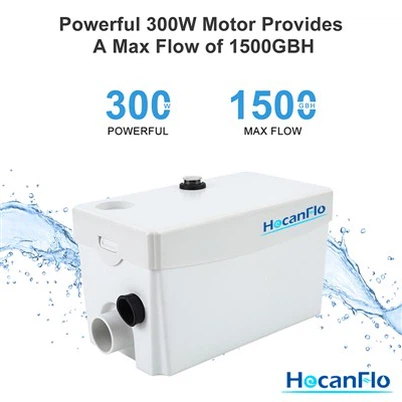
- Power: The power of the pump is determined by the motor. A more powerful motor can handle larger volumes of sewage and chop up tougher solids. However, it will also consume more energy. So, find the right balance based on your specific needs.
- Features: Some pumps come with additional features like automatic shut - off, anti - clogging mechanisms, and quiet operation. These features can improve the performance and convenience of the pump. For example, an anti - clogging mechanism can prevent the pump from getting blocked, reducing the need for maintenance.
Using the Pump Correctly
How you use the sewage macerator pump also affects its performance. Here are some tips:
- Don't Overload: Don't try to pump more sewage than the pump is designed to handle. This can cause the pump to overheat, wear out faster, and potentially fail. Be aware of the pump's capacity and use it within those limits.
- Avoid Foreign Objects: Make sure that only appropriate materials go into the pump. Avoid flushing items like wipes, diapers, sanitary products, or large pieces of food. These can damage the macerator blades and cause blockages.
- Follow the Operating Instructions: Read and follow the manufacturer's operating instructions carefully. This will ensure that you're using the pump correctly and getting the best performance out of it.
Exploring Our Product Range
As a sewage macerator pump supplier, I'm proud to offer a variety of high - quality pumps to meet different needs. If you're looking for a Kitchen Macerator Pump, we've got you covered. Our kitchen pumps are designed to handle food waste and other debris from the kitchen sink.
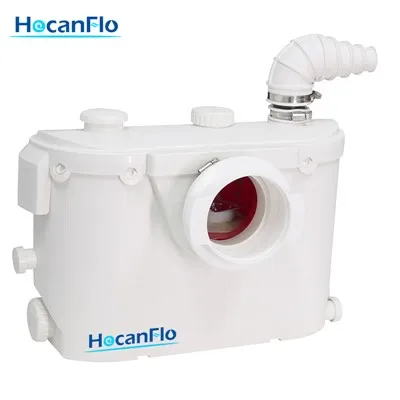
For more general sewage applications, our Macerator Sewerage Sewage Pump is a great choice. It can effectively chop up and pump solid waste from bathrooms, toilets, and other sewage sources.
And if you need a pump that's easy to move around, check out our Lightweight Macerator Pump. It's perfect for temporary installations or situations where portability is key.
Final Thoughts and Call to Action
Optimizing the performance of a sewage macerator pump takes a combination of proper installation, regular maintenance, choosing the right pump, and using it correctly. By following these tips, you can ensure that your pump runs smoothly, lasts longer, and saves you money in the long run.
If you're in the market for a sewage macerator pump or have any questions about optimizing the performance of your existing pump, don't hesitate to reach out. We're here to help you make the best choice for your needs. Feel free to contact us for more information and to start a conversation about your purchase.
References
- "Sewage Pump Installation and Maintenance Guide" by Pumps & Systems Magazine
- Manufacturer's Manuals for various sewage macerator pumps
- Plumbing and Mechanical Engineering textbooks on sewage disposal systems