What is the power consumption of a basement macerator pump?
Leave a message

Hey there! As a supplier of basement macerator pumps, I often get asked about the power consumption of these nifty devices. So, I thought I'd sit down and write a blog post to share everything I know about it.
First off, let's talk about what a basement macerator pump actually is. If you've got a basement bathroom, laundry room, or any other area where you need to pump wastewater up to the main sewer line, a macerator pump is your best friend. It's designed to grind up solid waste into small particles so that it can be easily pumped through pipes. Pretty cool, right?
Now, onto the main question: what's the power consumption of a basement macerator pump? Well, the answer isn't as straightforward as you might think. There are a few factors that can affect how much power a macerator pump uses, including the pump's horsepower, the frequency of use, and the type of waste it's processing.
Let's start with horsepower. The horsepower of a macerator pump refers to the amount of power it needs to operate. Generally speaking, the higher the horsepower, the more power the pump will consume. Most basement macerator pumps have a horsepower rating between 0.5 and 1.5. A 0.5-horsepower pump will typically use around 375 watts of power, while a 1.5-horsepower pump can use up to 1125 watts.
Of course, the frequency of use also plays a big role in power consumption. If you're using your macerator pump only occasionally, say once or twice a week, it's not going to use as much power as if you're using it multiple times a day. For example, if you have a basement bathroom that's only used by guests, your macerator pump might only run for a few minutes at a time, a few times a month. On the other hand, if you have a basement laundry room that's in constant use, your macerator pump could be running for hours at a time, every day.
Another factor to consider is the type of waste the pump is processing. If you're only pumping water and small particles, the pump won't have to work as hard as if you're pumping solid waste like toilet paper, sanitary products, or food scraps. The more solid waste the pump has to grind up, the more power it will use.
So, how can you estimate the power consumption of your basement macerator pump? One way is to look at the pump's specifications. Most manufacturers will list the pump's horsepower and wattage on the product label or in the user manual. You can use this information to calculate how much power the pump will use over a certain period of time.
For example, let's say you have a 0.75-horsepower macerator pump that uses 562.5 watts of power. If you use the pump for 10 minutes a day, five days a week, you can calculate the weekly power consumption like this:
562.5 watts x (10 minutes / 60 minutes per hour) x 5 days = 468.75 watt-hours per week
To convert watt-hours to kilowatt-hours (kWh), which is the unit of measurement used by your electricity provider, you simply divide by 1000. So, in this example, the weekly power consumption would be 0.46875 kWh.
Once you know how much power your macerator pump is using, you can estimate how much it's costing you. To do this, you'll need to know your electricity rate, which is usually listed on your monthly bill. Let's say your electricity rate is $0.15 per kWh. Using the example above, the weekly cost of running your macerator pump would be:
0.46875 kWh x $0.15 per kWh = $0.07
Over the course of a year, that would add up to about $3.64. Of course, this is just an estimate, and your actual costs may vary depending on your electricity rate, the frequency of use, and other factors.
Now, you might be wondering if there are any ways to reduce the power consumption of your basement macerator pump. The good news is, there are a few things you can do.
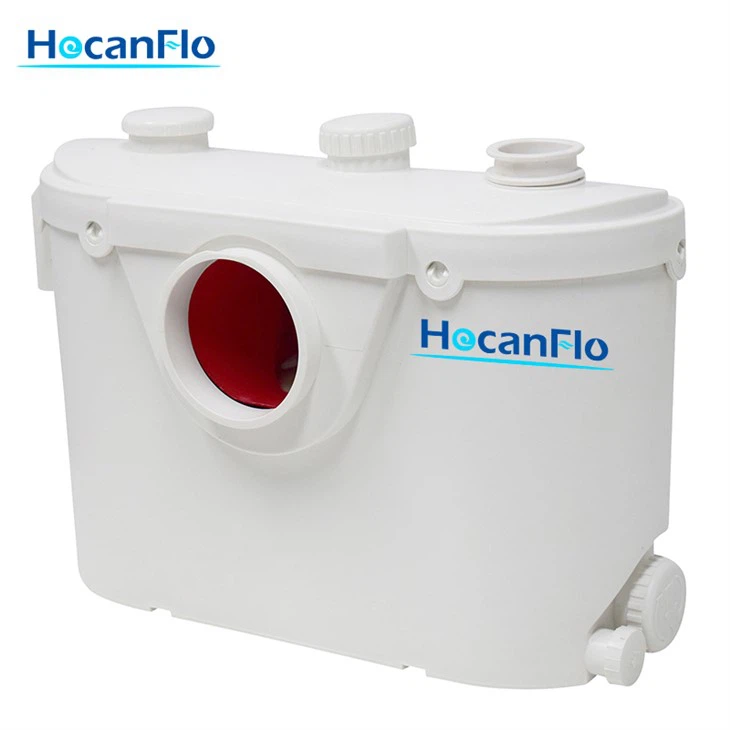

First, make sure you're using the right size pump for your needs. If you have a small basement bathroom or laundry room, you probably don't need a high-horsepower pump. A smaller pump will use less power and still be able to handle your wastewater.
Second, try to reduce the amount of solid waste you're putting into the pump. Avoid flushing things like toilet paper, sanitary products, or food scraps down the drain. Instead, dispose of them in the trash. This will reduce the amount of work the pump has to do and save you money on electricity.
Finally, make sure your pump is properly maintained. A well-maintained pump will run more efficiently and use less power. Follow the manufacturer's instructions for cleaning and servicing the pump, and replace any worn or damaged parts as needed.
In conclusion, the power consumption of a basement macerator pump can vary depending on several factors, including the pump's horsepower, the frequency of use, and the type of waste it's processing. By understanding these factors and taking steps to reduce your pump's power consumption, you can save money on your electricity bill and ensure that your pump is running efficiently.
If you're in the market for a basement macerator pump, I'd like to recommend a few of our products. Check out our White Macerator Pump For Full Bathroom, 500w Sewerage Grinder Sewage Pump, and Upflush Macerator Pump. These pumps are all high-quality, energy-efficient, and designed to handle a variety of wastewater applications.
If you have any questions or would like to discuss your specific needs, please feel free to reach out. We're here to help you find the right macerator pump for your home or business.
References:
- Manufacturer's product specifications and user manuals
- Personal experience as a basement macerator pump supplier