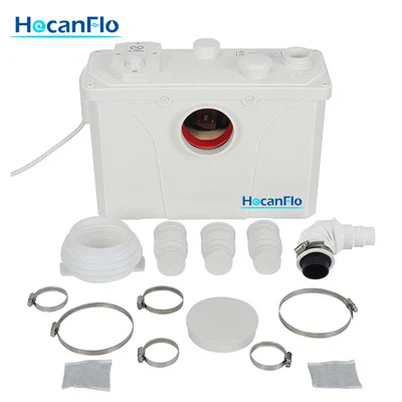
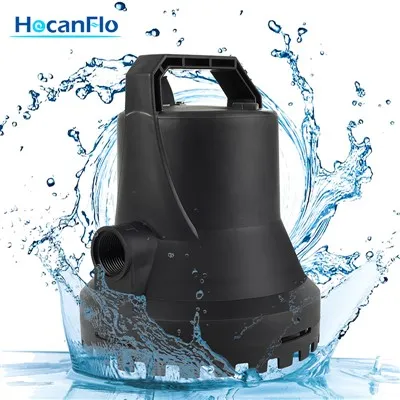
How to choose a check valve for a 700w sewage pump?
Leave a message

As a supplier of 700w sewage pumps, I often encounter customers who are unsure about how to choose the right check valve for their pumps. A check valve is a crucial component in a sewage pumping system, as it prevents backflow and ensures the efficient and reliable operation of the pump. In this blog post, I will share some key factors to consider when selecting a check valve for a 700w sewage pump.
1. Flow Rate and Pressure Rating
The first step in choosing a check valve is to determine the flow rate and pressure requirements of your 700w sewage pump. The flow rate is the volume of sewage that the pump can move per unit of time, usually measured in gallons per minute (GPM) or liters per second (L/s). The pressure rating, on the other hand, indicates the maximum pressure that the valve can withstand without leaking or failing.
It is essential to select a check valve with a flow rate and pressure rating that matches or exceeds the specifications of your pump. If the valve's flow rate is too low, it can restrict the flow of sewage and reduce the pump's efficiency. Conversely, if the pressure rating is insufficient, the valve may not be able to handle the pressure generated by the pump, leading to leaks or even valve failure.
2. Valve Type
There are several types of check valves available on the market, each with its own advantages and disadvantages. The most common types of check valves used in sewage pumping systems include swing check valves, ball check valves, and diaphragm check valves.
-
Swing Check Valves: Swing check valves are the most widely used type of check valve in sewage applications. They consist of a disc that is hinged at the top and swings open to allow flow in one direction and closes to prevent backflow. Swing check valves are relatively simple in design, easy to install, and can handle high flow rates. However, they may require more space compared to other types of check valves and can be prone to water hammer, which is a sudden pressure surge that can damage the valve and the piping system.
-
Ball Check Valves: Ball check valves use a ball to control the flow of sewage. When the flow is in the forward direction, the ball is pushed away from the valve seat, allowing sewage to pass through. When the flow stops or reverses, the ball is pushed back onto the seat, preventing backflow. Ball check valves are compact, lightweight, and can provide a tight seal. They are also less prone to water hammer compared to swing check valves. However, they may not be suitable for applications with high flow rates or large debris, as the ball can get stuck or damaged.
-
Diaphragm Check Valves: Diaphragm check valves use a flexible diaphragm to control the flow of sewage. The diaphragm is pushed open by the pressure of the forward flow and closes to prevent backflow. Diaphragm check valves are ideal for applications where a tight seal is required, as they can provide a zero-leakage seal. They are also resistant to corrosion and can handle a wide range of temperatures and pressures. However, they may have a limited flow capacity and can be more expensive compared to other types of check valves.
3. Material of Construction
The material of construction of the check valve is another important factor to consider. The valve should be made of a material that is resistant to corrosion, abrasion, and chemical attack, as sewage can contain various contaminants and chemicals that can damage the valve over time.
Common materials used for check valves in sewage applications include cast iron, stainless steel, and PVC. Cast iron is a durable and cost-effective material that can withstand high pressures and temperatures. However, it is prone to corrosion and may require regular maintenance. Stainless steel is a more corrosion-resistant material that is suitable for applications where the sewage contains high levels of chemicals or salt. PVC is a lightweight and inexpensive material that is resistant to corrosion and chemical attack. It is also easy to install and can be used in both above-ground and underground applications.
4. Size and Connection Type
The size and connection type of the check valve should be compatible with the size and type of the piping system and the pump. The valve's inlet and outlet sizes should match the diameter of the pipes to ensure a proper fit and prevent leaks.
There are several types of connection methods available for check valves, including threaded connections, flanged connections, and wafer connections. Threaded connections are the most common type of connection for small to medium-sized check valves. They are easy to install and can be used with a variety of pipe materials. Flanged connections are used for larger check valves and provide a more secure and leak-proof connection. Wafer connections are used for check valves that are installed between two flanges and are commonly used in industrial applications.
5. Maintenance and Serviceability
Finally, it is important to consider the maintenance and serviceability of the check valve. A check valve that is easy to maintain and service can save you time and money in the long run.
Look for a check valve that has a simple design and can be easily disassembled for cleaning and inspection. Some check valves come with replaceable parts, such as seals and gaskets, which can extend the valve's lifespan and reduce the need for frequent replacements.


In addition to these factors, it is also recommended to choose a check valve from a reputable manufacturer that offers a warranty and good customer support. This can give you peace of mind knowing that you are getting a high-quality product and that you will have access to assistance if you encounter any problems.
As a supplier of 700w sewage pumps, we offer a wide range of check valves that are specifically designed for use with our pumps. Our check valves are made of high-quality materials, are available in various sizes and connection types, and are backed by our excellent customer service. Whether you need a Mains Shower Pump, a Boat Shower Pump, or a Submersible Grinder Pump, we can help you find the right check valve for your application.
If you have any questions or need assistance in choosing a check valve for your 700w sewage pump, please do not hesitate to contact us. Our team of experts is always ready to provide you with the information and support you need to make an informed decision.
References
- "Pump Handbook" by Igor J. Karassik et al.
- "Valve Handbook" by William E. Bloch and Norman P. Geitner.
- Manufacturer's literature and specifications for check valves and sewage pumps.