How to reduce the noise of a powerful macerating pump?
Leave a message

Hey there! As a supplier of powerful macerating pumps, I've heard a lot of concerns from customers about the noise these pumps make. It can be a real nuisance, especially when the pump is installed in a residential area or a place where quiet is essential. So, I thought I'd share some tips on how to reduce the noise of a powerful macerating pump.
Understanding the Sources of Noise
Before we dive into the solutions, it's important to understand where the noise is coming from. Macerating pumps are designed to grind up solid waste and pump it through a small pipe. This process involves a lot of mechanical movement, which can generate noise. Here are some common sources of noise in macerating pumps:
- Motor Noise: The motor is the heart of the macerating pump, and it can be a significant source of noise. The motor's rotation and vibration can create a humming or buzzing sound.
- Impeller Noise: The impeller is responsible for grinding up the waste and pushing it through the pump. As it spins at high speeds, it can create a whirring or rattling noise.
- Pipe Vibration: When the pump is operating, the flow of water and waste through the pipes can cause them to vibrate. This vibration can be transmitted through the pipes and create noise in the surrounding area.
- Air Entrapment: If there is air trapped in the pump or the pipes, it can cause a gurgling or bubbling sound.
Tips to Reduce Noise
Now that we know where the noise is coming from, let's look at some ways to reduce it. Here are some tips that can help you make your macerating pump quieter:
1. Choose the Right Location
The location of the macerating pump can have a big impact on the amount of noise it produces. Here are some things to consider when choosing a location:


- Isolate the Pump: Try to install the pump in a separate room or enclosure. This can help to contain the noise and prevent it from spreading throughout the building.
- Use Soundproofing Materials: If you can't isolate the pump completely, you can use soundproofing materials to reduce the noise. You can line the walls and ceiling of the pump room with acoustic panels or insulation to absorb the sound.
- Avoid Hard Surfaces: Hard surfaces like concrete floors and walls can reflect sound, making the noise louder. Try to install the pump on a soft surface like rubber pads or a carpet to reduce the vibration and noise.
2. Install Anti-Vibration Mounts
Anti-vibration mounts are designed to reduce the vibration and noise generated by the pump. They work by absorbing the shock and vibration from the pump and preventing it from being transmitted to the surrounding area. Here's how you can install anti-vibration mounts:
- Choose the Right Mounts: Make sure you choose anti-vibration mounts that are suitable for the size and weight of your pump. You can find anti-vibration mounts at most hardware stores or online.
- Install the Mounts: Follow the manufacturer's instructions to install the anti-vibration mounts. Usually, you'll need to place the mounts between the pump and the floor or wall.
3. Check the Pipes
The pipes connected to the macerating pump can also contribute to the noise. Here are some things to check:
- Secure the Pipes: Make sure the pipes are securely fastened to the wall or floor. Loose pipes can vibrate and create noise. You can use pipe clamps or brackets to secure the pipes.
- Use Flexible Hoses: Flexible hoses can help to reduce the vibration and noise transmitted through the pipes. You can replace rigid pipes with flexible hoses where possible.
- Avoid Sharp Bends: Sharp bends in the pipes can cause the flow of water and waste to become turbulent, which can create noise. Try to use gentle curves in the pipes instead.
4. Maintain the Pump
Regular maintenance can help to keep your macerating pump running smoothly and quietly. Here are some maintenance tips:
- Clean the Pump: Over time, debris and waste can build up in the pump, which can cause it to make more noise. Make sure you clean the pump regularly according to the manufacturer's instructions.
- Lubricate the Motor: The motor of the macerating pump needs to be lubricated regularly to reduce friction and noise. Check the manufacturer's instructions for the recommended lubricant and lubrication schedule.
- Replace Worn Parts: If any parts of the pump are worn or damaged, they can cause the pump to make more noise. Replace any worn or damaged parts as soon as possible.
5. Consider a Quieter Model
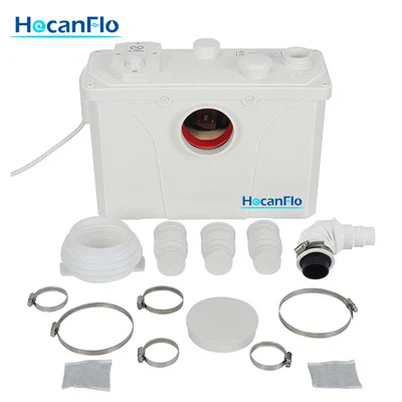
If you've tried all the above tips and the noise is still a problem, you may want to consider upgrading to a quieter model of macerating pump. There are many pumps on the market that are designed to be quieter than others. You can look for pumps with features like noise-reducing motors, insulated enclosures, and anti-vibration mounts. For example, our Macerator Waste Pump, Household Smart Toilet Macerator Pump, and Macerator Sewage Pump are all designed with noise reduction in mind.
Conclusion
Reducing the noise of a powerful macerating pump is not always easy, but it's definitely possible. By understanding the sources of noise and following the tips I've shared, you can make your pump quieter and more comfortable to use. If you have any questions or need more help, feel free to reach out. We're here to assist you in finding the best solution for your needs. Whether you're looking to upgrade your current pump or install a new one, we can provide you with high-quality macerating pumps and expert advice. Contact us to start a procurement discussion and let's find the perfect pump for you.
References
- "Pump Noise Reduction Techniques." Pump Industry Analyst.
- "How to Quiet a Noisy Sump Pump." Family Handyman.