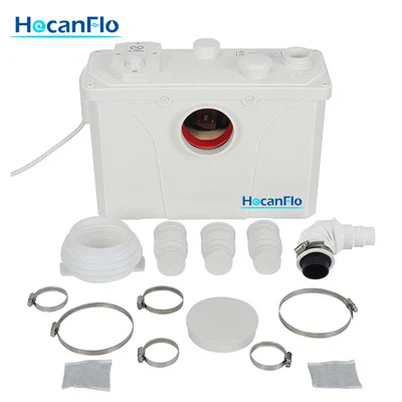
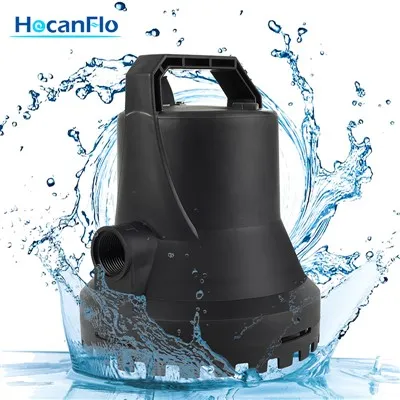
How to test a powerful macerating pump after installation?
Leave a message

So, you've just installed a powerful macerating pump, and now you're wondering how to test it properly. Well, you've come to the right place! As a supplier of these bad boys, I've got all the tips and tricks you need to make sure your pump is up and running smoothly.
Why Testing is Crucial
First off, let's talk about why testing your macerating pump after installation is so important. A macerating pump is designed to grind up waste and pump it through pipes, which is a pretty tough job. If the pump isn't working correctly, it can lead to all sorts of problems, like blockages, backups, and even damage to your plumbing system. By testing the pump right after installation, you can catch any issues early on and fix them before they turn into major headaches.
Pre - Test Checks
Before you start the actual testing, there are a few pre - test checks you need to do.
Visual Inspection
Take a good look at the pump and all its connections. Make sure there are no visible signs of damage, like cracks in the housing or loose wires. Check the inlet and outlet pipes to ensure they are properly connected and there are no kinks or bends that could restrict the flow of waste.
Power Supply
Verify that the pump is correctly connected to a power source. Check the voltage requirements of the pump and make sure the power supply matches. A wrong voltage can not only damage the pump but also pose a safety hazard.
Lubrication
Some macerating pumps require lubrication for certain parts. Check your pump's manual to see if this is the case and, if so, make sure the lubrication is at the right level.
Testing the Pump
Dry Run Test
The first step in testing your macerating pump is a dry run test. This means running the pump without any liquid in it. But be careful! Not all pumps are designed for dry running, so check your manual first. If it's okay to do a dry run:
- Turn on the power to the pump. Listen for any unusual noises, like grinding or rattling. These could indicate a problem with the impeller or other internal components.
- Check the motor to see if it's running smoothly. If the motor is overheating or vibrating excessively, there might be an issue.
Wet Run Test
After a successful dry run test (if applicable), it's time for the wet run test. This is where you actually introduce some liquid into the pump to see how it performs under normal operating conditions.
-
Fill a container with water and slowly pour it into the pump's inlet. You can use a bucket or a hose for this.
-
As the water enters the pump, listen for the sound of the macerating action. You should hear the blades grinding the water (in a normal, non - alarming way). The water should then be pumped out of the outlet pipe.
-
Check the flow rate of the water coming out of the outlet. It should be consistent and strong. If the flow is weak or intermittent, there could be a blockage in the pump or the pipes.
-
Monitor the pressure gauge (if your pump has one). The pressure should stay within the recommended range for the pump. If the pressure is too high or too low, it could indicate a problem.
Testing Different Types of Macerating Pumps
Single Impeller Shower Pump
A Single Impeller Shower Pump is designed to handle the relatively small amount of water and waste from a shower. When testing this type of pump:
- Use a small amount of water, similar to what would be produced during a short shower.
- Check that the pump can handle the flow rate and that there are no leaks around the pump or the connections.
Positive Head Pump
A Positive Head Pump is used when the water source is above the pump. For this type of pump:
- Make sure the water can flow freely into the pump from the higher source.
- Test the pump's ability to lift the water and pump it out at the required pressure.
Macerator Sewage Pump
A Macerator Sewage Pump is designed to handle more solid waste. When testing this pump:


- You can add some soft, non - fibrous solids, like toilet paper, to the water in the container before pouring it into the pump.
- Check that the pump can macerate the solids and pump them out without getting clogged.
Troubleshooting During Testing
If you encounter any problems during the testing process, here are some common issues and solutions:
No Power
- Check the circuit breaker or fuse. If it's tripped, reset it.
- Make sure the power cord is properly plugged in and there are no damaged wires.
Weak Flow
- There could be a blockage in the inlet or outlet pipes. Try flushing the pipes with water to clear any debris.
- The impeller might be damaged or clogged. You may need to disassemble the pump (following the manual's instructions) to clean or replace the impeller.
Unusual Noises
- As mentioned earlier, grinding or rattling noises could mean a problem with the impeller. Inspect the impeller for damage and replace it if necessary.
- Loose parts inside the pump can also cause noise. Check all the internal components and tighten any loose screws or bolts.
Conclusion
Testing your powerful macerating pump after installation is a crucial step to ensure its proper functioning and longevity. By following these steps and being vigilant during the testing process, you can catch and fix any issues early on.
If you're in the market for a high - quality macerating pump or need more information about our products, don't hesitate to reach out. We're here to help you with all your macerating pump needs. Whether you're a homeowner looking to install a pump in your basement bathroom or a contractor working on a large - scale project, we've got the right pump for you. Contact us to start a procurement discussion and find the perfect solution for your requirements.
References
- Manufacturer's manuals for macerating pumps
- Industry standards for pump testing and installation