What are the installation requirements for a household macerator pump?
Leave a message

Hey there! As a household macerator pump supplier, I've seen firsthand how these nifty devices can transform the way we deal with waste in our homes. They're super useful, especially when you're looking to install a bathroom or a kitchen in a basement or an area without a direct sewer connection. But before you go ahead and install one, there are a few things you need to know. So, let's dive into the installation requirements for a household macerator pump.
Location, Location, Location
First off, the location where you plan to install the macerator pump is crucial. You need to pick a spot that's close to the source of the waste, like a toilet, sink, or shower. This reduces the length of the waste pipes, which means less chance of blockages. Also, make sure the area is well-ventilated. Macerator pumps can generate heat and odors, so good ventilation helps keep the air fresh and prevents any unpleasant smells from lingering in your home.
The pump should be installed on a flat and stable surface. A wobbly or uneven surface can cause the pump to vibrate excessively, which not only makes noise but can also damage the pump over time. If you're installing it on the floor, use some rubber pads or anti-vibration mounts to minimize vibrations.
Electrical Requirements
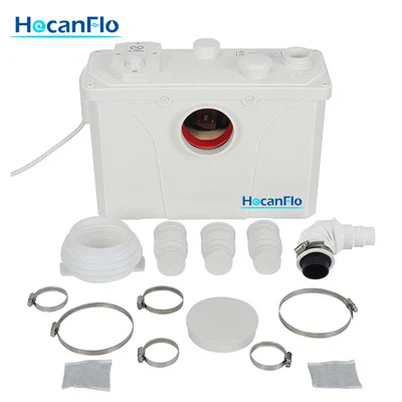
Macerator pumps are electrical devices, so you need to pay close attention to the electrical requirements. First, check the power rating of the pump. Most household macerator pumps have a power rating of around 300W. You can check out our 300W Macerator Sewerage Sewage Pump for more details on the power consumption and other features.
The pump should be connected to a dedicated electrical circuit. This means it shouldn't share a circuit with other high-power appliances like heaters or air conditioners. A dedicated circuit ensures that the pump gets a stable power supply and reduces the risk of tripping the circuit breaker.
You also need to make sure that the electrical installation is done by a qualified electrician. They'll ensure that all the wiring is done correctly, and the pump is properly grounded. Grounding is essential for safety, as it protects you from electric shocks in case of a fault in the pump.
Pipework
The pipework for a macerator pump is different from regular plumbing pipes. You need to use pipes that are specifically designed for macerator pumps. These pipes are usually made of PVC or ABS plastic and have a smooth interior surface. The smooth surface helps the macerated waste flow easily through the pipes, reducing the risk of blockages.
The diameter of the pipes is also important. For most household macerator pumps, a 32mm or 40mm pipe is sufficient. However, you should always check the manufacturer's recommendations for the specific pump you're using.
When connecting the pipes, make sure they're properly sealed. Leaky pipes can cause water damage and unpleasant odors. Use pipe fittings and sealants that are compatible with the type of pipes you're using.
The pipes should also have a slight slope towards the sewer or the wastewater disposal point. This allows the waste to flow downhill by gravity, which helps prevent blockages. A slope of around 1:40 is usually recommended.
Waste Disposal
The macerator pump grinds up the waste into small particles, which can then be pumped out of your home. You need to make sure that the waste is disposed of properly. In most cases, the pump will be connected to the main sewer system. However, if you don't have access to a sewer, you can use a septic tank or a holding tank.
If you're using a septic tank, make sure it's large enough to handle the volume of waste generated by the macerator pump. You'll also need to have the septic tank pumped out regularly to prevent it from overflowing.
If you're using a holding tank, you'll need to empty it periodically. The frequency of emptying depends on the size of the tank and the amount of waste generated.
Noise Considerations
Macerator pumps can make some noise when they're operating. While most modern pumps are designed to be relatively quiet, it's still a good idea to take some steps to reduce the noise. As I mentioned earlier, installing the pump on a stable surface with anti-vibration mounts can help. You can also insulate the pump and the pipes with soundproofing materials. This can significantly reduce the noise level and make the pump less noticeable.
Maintenance
Proper maintenance is essential to keep your macerator pump working efficiently. You should regularly check the pump for any signs of damage or wear. Look for leaks, cracks, or loose connections. If you notice any problems, you should address them immediately.
You also need to clean the pump and the pipes regularly. Over time, debris and grease can build up inside the pump and the pipes, which can cause blockages. You can use a special cleaning solution designed for macerator pumps to clean the system. Make sure to follow the manufacturer's instructions when using the cleaning solution.


Compatibility with Fixtures
The macerator pump needs to be compatible with the fixtures it's connected to. For example, if you're connecting it to a toilet, make sure the pump can handle the volume of waste generated by the toilet. Some pumps are designed to handle multiple fixtures, like a toilet, sink, and shower. You can check out our Macerator Pump For Home to see which pumps are suitable for different types of fixtures.
Safety Features
Most modern macerator pumps come with a range of safety features. These include overheat protection, which shuts off the pump if it gets too hot, and dry-running protection, which shuts off the pump if there's no water in it. Make sure the pump you choose has these safety features to protect the pump and prevent any damage.
Well, that's a rundown of the installation requirements for a household macerator pump. If you're in the market for a macerator pump, we've got a great selection of Sewage Macerator Pump options to choose from. Whether you're looking for a pump for a small bathroom or a larger installation, we've got you covered.
If you have any questions or need more information about our products, feel free to reach out. We're always happy to help you find the right macerator pump for your needs and guide you through the installation process. Let's work together to make your home waste management more efficient and hassle-free!
References
- "Plumbing Installation Guide for Macerator Pumps", Plumbing World Magazine
- "Electrical Safety for Household Appliances", Electrical Safety Council
- "Waste Disposal Best Practices", Environmental Protection Agency