What is a sewage macerator pump?
Leave a message

Sewage disposal is a critical aspect of both residential and commercial plumbing systems. Among the various solutions available, sewage macerator pumps have emerged as a game - changer. As a supplier of sewage macerator pumps, I'm excited to share in - depth knowledge about these innovative devices.
What is a Sewage Macerator Pump?
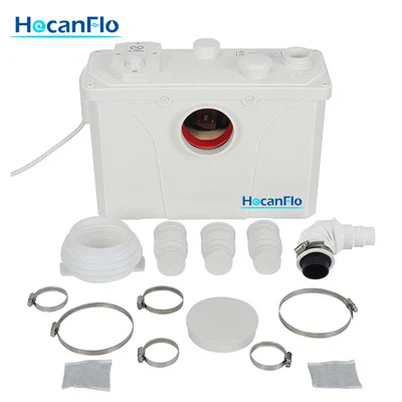
A sewage macerator pump is a specialized type of pump designed to handle the disposal of sewage and wastewater. It combines the functions of maceration and pumping. The maceration process involves breaking down solid waste materials into small, fine particles, similar to a blender's action. Once the waste is macerated, the pump then propels the liquefied mixture through pipes to the main sewage system or a septic tank.
The key component of a sewage macerator pump is the macerator itself, which typically consists of sharp blades or cutters. These blades rotate at high speeds, shredding solid materials such as toilet paper, sanitary products, and food waste into tiny pieces. This maceration not only prevents blockages in the pipes but also allows the waste to flow more easily through the plumbing system.
How Does a Sewage Macerator Pump Work?
The operation of a sewage macerator pump can be divided into several steps. First, the sewage and wastewater enter the pump's chamber. As the liquid level rises, it activates a float switch, which in turn starts the motor. The motor powers the macerator blades, which begin to shred the solid waste.
Once the waste is macerated, the pump impeller creates a pressure difference that forces the liquefied waste out of the pump and into the discharge pipe. The pump continues to operate until the liquid level in the chamber drops below a certain point, at which the float switch turns off the motor.
Applications of Sewage Macerator Pumps
Sewage macerator pumps have a wide range of applications in both residential and commercial settings.
Residential Use
In homes, sewage macerator pumps are often used in basements or areas where the plumbing fixtures are located below the main sewer line. For example, if you want to install a bathroom or a kitchen in your basement, a sewage macerator pump can be used to pump the wastewater up to the main sewer system. This eliminates the need for expensive and invasive excavation work to install a gravity - fed sewer line.
You can explore our The Macerator Pump For Kitchen which is specifically designed to handle the unique waste generated in a kitchen environment. It can effectively macerate food scraps and other debris, ensuring smooth sewage disposal.
Commercial Use
In commercial buildings such as restaurants, hotels, and hospitals, sewage macerator pumps are essential for handling large volumes of sewage and wastewater. These pumps can handle the heavy - duty demands of commercial plumbing systems, preventing blockages and ensuring the proper functioning of the sewage system. Our 300w Macerator Lifting Pump is a great option for commercial applications, offering high - performance and reliability.
Advantages of Sewage Macerator Pumps
There are several advantages to using sewage macerator pumps.
Flexibility in Installation
One of the biggest advantages of sewage macerator pumps is their flexibility in installation. They can be installed in areas where traditional gravity - fed sewer systems are not feasible, such as basements, attics, and remote locations. This allows for greater design flexibility in building construction and renovation projects.
Reduced Risk of Blockages
By macerating solid waste into small particles, sewage macerator pumps significantly reduce the risk of blockages in the plumbing system. This means fewer plumbing emergencies and lower maintenance costs in the long run.
Energy Efficiency
Modern sewage macerator pumps are designed to be energy - efficient. They only operate when there is a need to pump sewage, which helps to save energy and reduce electricity bills.
Types of Sewage Macerator Pumps
There are different types of sewage macerator pumps available on the market, each with its own features and applications.
Submersible Sewage Macerator Pumps
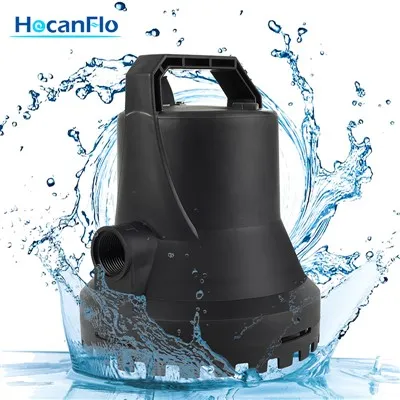
Submersible sewage macerator pumps are designed to be installed directly in the sewage pit or tank. They are fully submerged in the wastewater, which helps to reduce noise and vibration. These pumps are ideal for applications where space is limited or where a quiet operation is required.
Non - Submersible Sewage Macerator Pumps
Non - submersible sewage macerator pumps are installed outside the sewage pit or tank. They are connected to the sewage system through pipes and are typically used in applications where the pump needs to be easily accessible for maintenance.
Choosing the Right Sewage Macerator Pump
When choosing a sewage macerator pump, there are several factors to consider.
Flow Rate
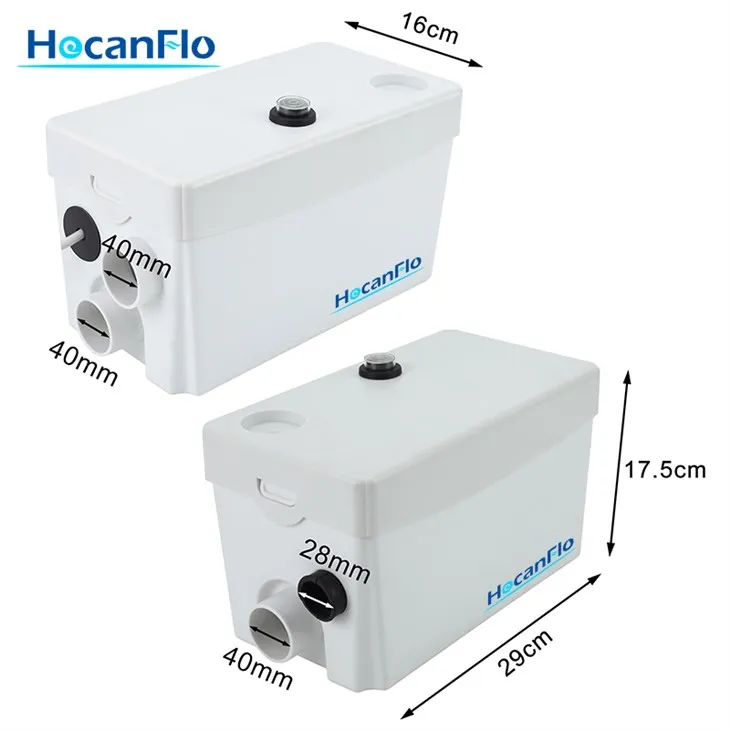
The flow rate of a sewage macerator pump refers to the volume of wastewater it can pump per unit of time. It is important to choose a pump with a flow rate that is suitable for your specific application. For example, a small residential bathroom may require a pump with a lower flow rate, while a large commercial kitchen may need a pump with a higher flow rate.

Head Pressure
Head pressure is the height that the pump can lift the wastewater. It is important to choose a pump with a head pressure that is sufficient to overcome the vertical distance between the pump and the main sewer line.
Power and Motor Size
The power and motor size of a sewage macerator pump determine its performance and durability. A more powerful motor can handle larger volumes of sewage and solid waste, but it may also consume more energy. It is important to choose a pump with a motor size that is appropriate for your needs.
If you are looking for a reliable sewage macerator pump for your basement, our 300w Basement Sewage Macerator Pump is a great choice. It offers a good balance of power, flow rate, and head pressure for basement applications.
Maintenance of Sewage Macerator Pumps
Proper maintenance is essential to ensure the long - term performance and reliability of sewage macerator pumps.
Regular Inspections
Regular inspections of the pump and its components are necessary to detect any signs of wear or damage. This includes checking the blades, impeller, motor, and seals for any signs of corrosion, leaks, or malfunction.
Cleaning
The pump chamber and the macerator blades should be cleaned regularly to prevent the buildup of solid waste and debris. This can be done by flushing the pump with clean water or using a special cleaning solution.
Lubrication
Some sewage macerator pumps require lubrication of certain components, such as the bearings. It is important to follow the manufacturer's instructions regarding lubrication to ensure proper operation of the pump.
Conclusion
Sewage macerator pumps are an essential part of modern plumbing systems. They offer a reliable and efficient solution for handling sewage and wastewater in both residential and commercial settings. As a supplier of sewage macerator pumps, we are committed to providing high - quality products that meet the needs of our customers.
If you are interested in purchasing a sewage macerator pump for your project, we invite you to contact us for more information and to discuss your specific requirements. Our team of experts is ready to assist you in choosing the right pump and ensuring a smooth installation process.
References
- "Plumbing Engineering: Design and Installation" by B.C. Jain
- "Sewage Treatment and Disposal" by Metcalf & Eddy