What is the noise reduction measure of a 300w sewage pump?
Leave a message

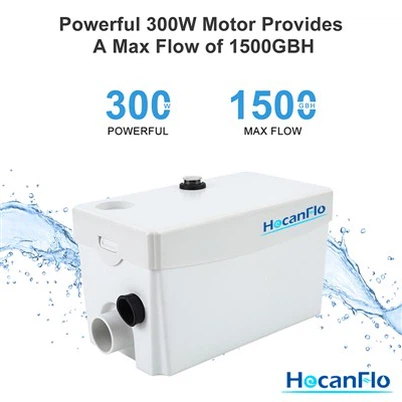
As a supplier of 300w sewage pumps, I often receive inquiries from customers about noise reduction measures. In this blog, I'll share some effective ways to reduce the noise generated by a 300w sewage pump, ensuring a quieter and more comfortable environment for users.
Understanding the Noise Sources of a 300w Sewage Pump
Before delving into noise reduction measures, it's crucial to understand where the noise comes from. A 300w sewage pump can produce noise from multiple sources:
- Mechanical Noise: This is mainly caused by the friction and vibration of moving parts within the pump, such as the motor's bearings, impeller, and shaft. When these components are not precisely balanced or lubricated, they can generate significant mechanical noise.
- Fluid Noise: As the sewage pump moves water, the flow of fluid through the pump can create noise. Turbulence, cavitation (the formation and collapse of vapor bubbles in the liquid), and sudden changes in fluid velocity can all contribute to fluid - related noise.
- Electromagnetic Noise: The motor of the sewage pump is an electromagnetic device. When the motor is operating, electromagnetic forces can cause the motor's core and windings to vibrate, resulting in electromagnetic noise.
Noise Reduction Measures
1. Installation Optimization
- Vibration Isolation: One of the most effective ways to reduce mechanical noise is through vibration isolation. Install the 300w sewage pump on a vibration - isolating base or platform. Rubber pads or springs can be used to absorb and dampen the vibrations generated by the pump. For example, a high - quality rubber isolation pad can reduce the transmission of vibrations to the surrounding structure by up to 80%. This not only reduces noise but also helps to prolong the pump's service life by minimizing the stress on its components.
- Proper Alignment: Ensure that the pump and the motor are properly aligned during installation. Misalignment can cause excessive vibration and noise. Use alignment tools to make sure that the shaft of the pump and the motor are in perfect alignment. This can significantly reduce mechanical noise and prevent premature wear of the bearings and other moving parts.
2. Fluid System Design
- Smooth Piping: Use smooth - walled pipes in the fluid system connected to the sewage pump. Rough - walled pipes can increase fluid turbulence and thus generate more noise. Additionally, avoid sharp bends and sudden changes in pipe diameter. Instead, use gradual bends and transitions to ensure a smooth flow of fluid. For instance, a 90 - degree elbow can be replaced with a long - radius elbow to reduce fluid resistance and noise.
- Cavitation Prevention: Cavitation can be a major source of noise and damage to the pump. To prevent cavitation, make sure that the suction pressure of the pump is sufficient. Check the water level in the sump or the source of the sewage, and ensure that the suction pipe is not clogged. If necessary, install a pressure sensor to monitor the suction pressure and take appropriate measures if the pressure drops below the safe level.
3. Motor and Pump Maintenance
- Regular Lubrication: Keep the motor's bearings and other moving parts well - lubricated. Proper lubrication reduces friction and wear, which in turn reduces mechanical noise. Follow the manufacturer's recommendations for the type and frequency of lubrication. For example, some high - performance bearings may require lubrication every few months, while others may have a longer service interval.
- Motor Inspection: Regularly inspect the motor for any signs of damage or malfunction. Check the windings for insulation breakdown, and make sure the electrical connections are tight. A damaged motor can generate excessive electromagnetic noise and may even pose a safety hazard. If any problems are detected, repair or replace the motor components promptly.
4. Enclosure and Soundproofing
- Pump Enclosure: Install a sound - proof enclosure around the 300w sewage pump. The enclosure can be made of materials such as acoustic foam or fiberglass, which are effective at absorbing sound. Make sure the enclosure has proper ventilation to prevent overheating of the pump. A well - designed enclosure can reduce the noise level by up to 20 - 30 decibels.
- Room Soundproofing: If the pump is installed in a room, consider soundproofing the room itself. Use sound - absorbing materials on the walls, ceiling, and floor. For example, acoustic panels can be installed on the walls to reduce the reflection of sound waves, creating a quieter environment.
Applications and Related Links
Our 300w sewage pumps are suitable for a variety of applications. For basement bathroom plumbing, our pumps can work effectively with an ejector pump. You can find more information about Basement Bathroom Plumbing With Ejector Pump.


If you need a pump for water disposal, our Water Disposal Macerator Pump is a great choice. It can handle the disposal of wastewater efficiently while minimizing noise.
For home use, our Macerator Pump For Home is designed to be reliable and quiet, providing a comfortable living environment.
Contact Us for Purchase and Consultation
If you are interested in our 300w sewage pumps or have any questions about noise reduction or other aspects, we welcome you to contact us for further discussion. Our team of experts is ready to provide you with detailed information and customized solutions to meet your specific needs.
References
- "Pump Handbook" by Igor J. Karassik et al.
- "Noise Control in HVAC Systems" by the American Society of Heating, Refrigerating and Air - Conditioning Engineers (ASHRAE).
- Manufacturer's manuals for 300w sewage pumps.