What are the differences between a 240v Macerator Pump and a normal pump?
Leave a message

Hey there! As a supplier of 240v Macerator Pumps, I often get asked about the differences between a 240v Macerator Pump and a normal pump. So, I thought I'd write this blog to clear things up and give you a better understanding of these two types of pumps.
How They Work
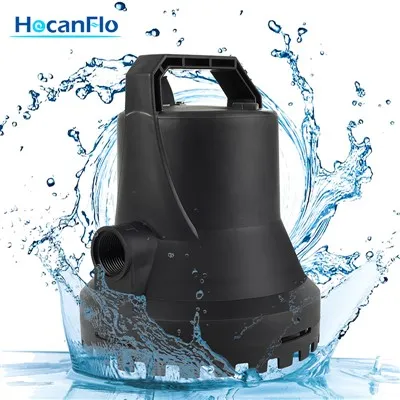
Let's start with how they work. A normal pump, the kind you're probably more familiar with, is mainly used to move liquids from one place to another. It works by creating pressure to push the liquid through pipes. For example, in a home water supply system, a normal pump might be used to draw water from a well and send it into your house. It's pretty straightforward, just moving the liquid as it is.
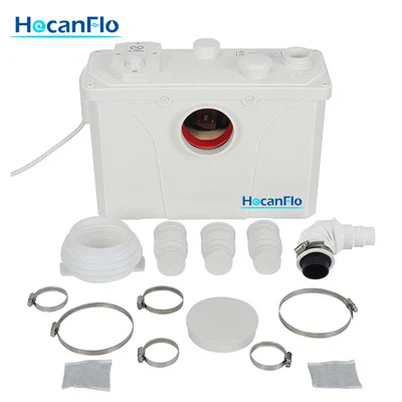
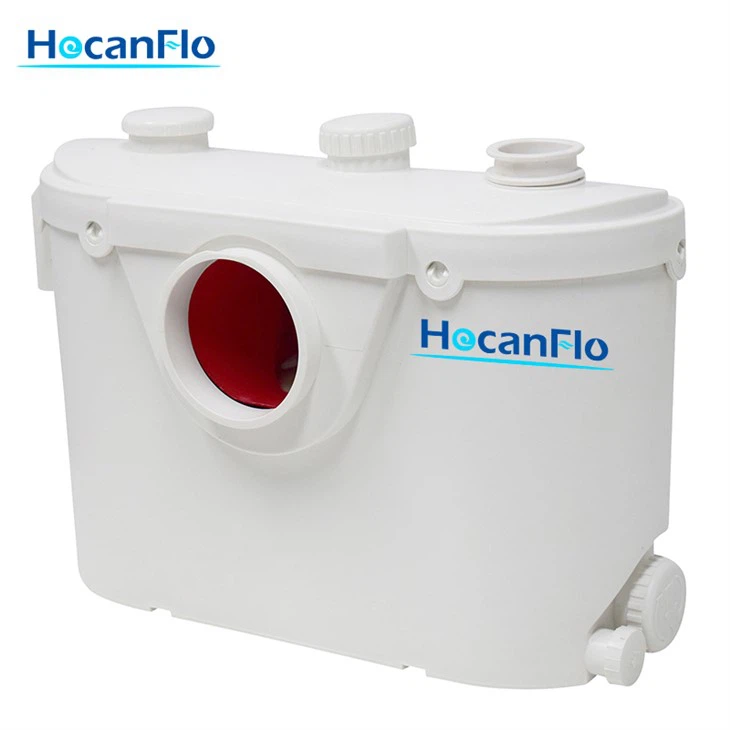
On the other hand, a 240v Macerator Pump does more than just move liquid. It has a built - in cutting mechanism. When waste or other materials enter the pump, the cutting blades inside break them down into smaller pieces. This is super useful when dealing with sewage or other waste that might clog normal pipes. For instance, in a bathroom where you have toilet paper, sanitary products, and human waste, a Macerator Pump can macerate all these into a fine slurry that can be easily pumped through small - diameter pipes.
Power and Voltage
The "240v" in the 240v Macerator Pump refers to its voltage. In many countries, the standard household voltage is either 110v or 240v. A 240v Macerator Pump is designed to operate at 240 volts. This higher voltage generally means it can handle more powerful motors. The more powerful motor allows the pump to cut through tougher materials and pump the macerated waste over longer distances or to higher elevations.
A normal pump can come in a variety of voltages depending on its application. Some small household pumps might run on 110v, while larger industrial pumps could operate at much higher voltages. But when it comes to handling waste in a domestic or small - commercial setting, a 240v Macerator Pump's power gives it an edge. It can deal with the demands of breaking down and pumping waste more efficiently compared to a normal pump with a lower - powered motor.
Installation and Use
Installation of a normal pump is usually pretty simple if it's for a basic water - moving task. You just need to connect it to the water source and the destination pipes, and make sure it's properly grounded. However, if you're using it for something like a large - scale industrial water transfer, the installation can get more complex, involving things like proper alignment, support structures, and connection to a high - capacity power source.
Installing a 240v Macerator Pump, especially in a bathroom or a waste - handling system, requires a bit more thought. You need to ensure that it's connected to the right waste inlets, like the toilet, sink, and shower drains. Also, since it's dealing with waste, proper ventilation is crucial to prevent unpleasant odors. But the good thing is that because it can macerate waste into a fine slurry, it can be installed in places where a normal pump wouldn't work. For example, you can install a White Macerator Pump For Full Bathroom in a basement bathroom where gravity - fed sewer systems aren't an option. You can even use an Upflush Macerator Pump to pump waste upwards, which is impossible with a normal pump in most cases.
Maintenance
Maintenance of a normal pump typically involves checking for leaks, making sure the impeller (the part that moves the liquid) is in good condition, and lubricating any moving parts. If it's a water pump, you might also need to clean the intake screen regularly to prevent debris from getting into the pump and causing damage.
A 240v Macerator Pump has a few extra maintenance steps. The cutting blades need to be inspected regularly for wear and tear. Over time, the blades can become dull from cutting through tough waste materials. If the blades aren't sharp, the pump won't be able to macerate the waste effectively. You also need to clean the pump housing to prevent the build - up of waste residue. But overall, with proper maintenance, a Macerator Pump can have a long lifespan and keep your waste - handling system running smoothly.

Cost
When it comes to cost, a normal pump can vary widely in price depending on its size, capacity, and application. Small household water pumps can be relatively inexpensive, while large industrial pumps can cost thousands of dollars.
A 240v Macerator Pump is generally more expensive than a basic normal pump. This is because of the additional cutting mechanism and the more powerful motor. However, when you consider the benefits it offers, like the ability to handle waste in difficult - to - reach places and prevent clogs, it can be a cost - effective solution in the long run. For example, if you're adding a bathroom to your basement, the cost of installing a Macerator Pump might seem high at first, but it saves you the expense of major plumbing renovations to connect to a main sewer line.
Applications
Normal pumps are used in a wide range of applications. They're used in water supply systems, irrigation systems, and in industrial processes where liquids need to be transferred. For example, in a car wash, a normal pump is used to pump water from a storage tank to the cleaning nozzles.
240v Macerator Pumps are mainly used in waste - handling applications. They're commonly found in bathrooms, especially in situations where a traditional gravity - fed sewer system isn't feasible. They're also used in boats, RVs, and small commercial buildings where waste needs to be pumped out. If you're looking for a pump for a specific waste - handling job, you might be interested in a 110v Macerator Pump if you're in an area with 110v power supply, but the 240v version offers more power for heavier - duty tasks.
Conclusion
In conclusion, while both 240v Macerator Pumps and normal pumps are used to move liquids, they have significant differences. A 240v Macerator Pump is a specialized tool for waste - handling, with its cutting ability, higher power, and unique installation requirements. A normal pump is more general - purpose and is used for simple liquid transfer.
If you're in the market for a pump for your waste - handling needs, whether it's for a new bathroom installation or upgrading an existing system, I'd highly recommend considering a 240v Macerator Pump. It can solve a lot of problems that a normal pump just can't handle. If you're interested in learning more or discussing a potential purchase, feel free to reach out. We're here to help you find the right pump for your specific situation and can provide you with all the details you need.
References
- General knowledge of pump technology and waste - handling systems.
- Industry experience as a 240v Macerator Pump supplier.