What is the rated speed of a 400w submersible pump?
Leave a message

When it comes to submersible pumps, understanding their rated speed is crucial for both professionals and homeowners. As a supplier of 400w submersible pumps, I've encountered numerous inquiries about the rated speed of these pumps. In this blog post, I'll delve into the concept of rated speed, explain how it applies to 400w submersible pumps, and provide some practical insights to help you make informed decisions.
What is Rated Speed?
The rated speed of a submersible pump refers to the rotational speed at which the pump is designed to operate under specific conditions. It is typically measured in revolutions per minute (RPM). The rated speed is a critical parameter because it directly affects the pump's performance, including its flow rate, head, and efficiency.
Manufacturers determine the rated speed based on the pump's design, the type of motor used, and the intended application. A pump operating at its rated speed will generally deliver the best performance in terms of flow and pressure. Deviating from the rated speed can lead to reduced efficiency, increased wear and tear, and even premature failure of the pump.


Factors Affecting the Rated Speed of a 400w Submersible Pump
Several factors can influence the rated speed of a 400w submersible pump. Let's take a closer look at some of the most significant ones:
- Motor Design: The type and design of the motor play a crucial role in determining the rated speed. Most 400w submersible pumps use induction motors, which are known for their reliability and efficiency. The number of poles in the motor affects its speed. Generally, a motor with fewer poles will have a higher rated speed.
- Pump Impeller: The design and size of the pump impeller also impact the rated speed. A larger impeller may require a lower speed to achieve the desired flow rate, while a smaller impeller may need a higher speed. The shape and pitch of the impeller blades can also affect the pump's performance at different speeds.
- System Head: The system head refers to the total resistance that the pump must overcome to move water through the system. It includes factors such as the height the water needs to be lifted (static head), the friction losses in the pipes, and any additional pressure requirements. A higher system head may require the pump to operate at a higher speed to maintain the desired flow rate.
- Fluid Properties: The properties of the fluid being pumped, such as its viscosity and density, can affect the pump's performance and rated speed. For example, pumping a more viscous fluid may require the pump to operate at a lower speed to avoid excessive power consumption and wear on the motor.
Typical Rated Speeds of 400w Submersible Pumps
The rated speed of a 400w submersible pump can vary depending on the factors mentioned above. However, most 400w submersible pumps have a rated speed in the range of 2800 - 3450 RPM. This range is common for single-phase induction motors, which are widely used in small to medium-sized submersible pumps.
It's important to note that the rated speed is just one aspect of a pump's performance. Other factors, such as the pump's flow rate, head, and efficiency, also need to be considered when selecting a pump for a specific application.
Importance of Operating at the Rated Speed
Operating a 400w submersible pump at its rated speed is essential for several reasons:
- Optimal Performance: Running the pump at the rated speed ensures that it delivers the maximum flow rate and head for which it is designed. This means that you can achieve the desired water transfer or drainage quickly and efficiently.
- Energy Efficiency: Pumps are most energy-efficient when operating at their rated speed. Deviating from the rated speed can result in increased power consumption, leading to higher energy bills.
- Longevity: Operating the pump within its rated speed range helps to minimize wear and tear on the motor and other components. This can extend the pump's lifespan and reduce the need for frequent repairs or replacements.
Selecting the Right 400w Submersible Pump
When choosing a 400w submersible pump, it's important to consider your specific requirements and the operating conditions. Here are some tips to help you make the right choice:
- Determine Your Flow and Head Requirements: Calculate the flow rate and head needed for your application. This will help you select a pump that can meet your specific needs.
- Consider the Pump's Efficiency: Look for a pump with a high efficiency rating. This will help you save on energy costs over the long term.
- Check the Pump's Construction and Materials: Ensure that the pump is made of high-quality materials and has a robust construction. This will ensure its durability and reliability.
- Read Customer Reviews: Reading reviews from other customers can give you valuable insights into the performance and reliability of the pump.
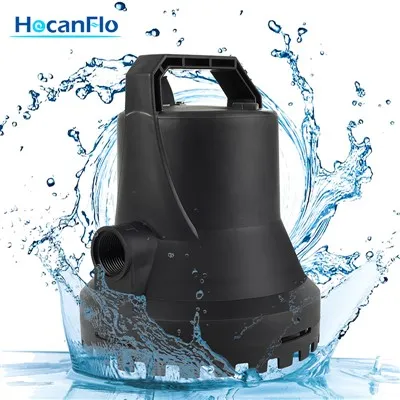
As a supplier of 400w submersible pumps, we offer a wide range of products to meet different needs. Our 400w Portable Submersible Pump For Clean is perfect for cleaning applications, while our 3/4 HP Submersible Utility Pump is ideal for more heavy-duty tasks. We also have a Simple Household Submersible Pump that is easy to install and operate.
Contact Us for Purchasing and Consultation
If you have any questions about the rated speed of our 400w submersible pumps or need help selecting the right pump for your application, please don't hesitate to contact us. Our team of experts is always ready to assist you. Whether you're a homeowner looking for a simple solution or a professional in need of a high-performance pump, we have the products and expertise to meet your requirements.
References
- Pump Handbook, Karassik, I. J., Messina, J. P., Cooper, P. T., & Heald, C. C. (Eds.). (2008). McGraw-Hill.
- Submersible Pump Technology, Hydraulic Institute. (2016).