What is the water pressure requirement for a marine toilet?
Leave a message

As a supplier of marine toilets, I often receive inquiries about the water pressure requirements for these essential fixtures on boats and ships. Understanding the water pressure needs of a marine toilet is crucial for ensuring its proper functioning, longevity, and user satisfaction. In this blog post, I'll delve into the details of water pressure requirements for marine toilets, explain why they matter, and provide some guidance on how to meet these requirements.
Why Water Pressure Matters for Marine Toilets
Before we dive into the specific water pressure requirements, let's first understand why water pressure is so important for marine toilets. Unlike traditional land - based toilets that are connected to a municipal water supply with relatively stable pressure, marine toilets operate in a more challenging environment. They rely on water to flush waste out of the bowl and into the holding tank or overboard (subject to local regulations).
Proper water pressure ensures that the flushing action is strong enough to clear the bowl effectively. Insufficient water pressure can lead to incomplete flushes, which may result in clogs, unpleasant odors, and damage to the toilet's internal components over time. On the other hand, excessive water pressure can cause leaks, damage to the seals, and even lead to premature wear and tear of the toilet.
Ideal Water Pressure Range for Marine Toilets
The ideal water pressure for a marine toilet typically ranges from 15 to 30 psi (pounds per square inch). This range provides enough force to create a strong flush while also being gentle enough to prevent damage to the toilet's delicate parts.
Most modern marine toilets are designed to operate within this pressure range. For example, our Electric Marine Toilet is engineered to work efficiently with water pressures between 15 and 30 psi. This design allows for a consistent and reliable flushing performance, whether you're on a small pleasure boat or a large yacht.
Factors Affecting Water Pressure
Several factors can affect the water pressure available to a marine toilet. Understanding these factors can help you troubleshoot any issues and ensure that your toilet is operating at its best.
- Water Source: The type of water source on your vessel can have a significant impact on water pressure. If you're connected to a shore - side water supply, the pressure will depend on the local water system. Some marinas may offer higher or lower pressure than others. When using an onboard water tank, the pressure is typically provided by a water pump. The capacity and condition of the pump can affect the water pressure delivered to the toilet.
- Pipe Diameter and Length: The diameter and length of the water pipes connecting the water source to the toilet also play a role. Smaller diameter pipes or longer pipe runs can cause a drop in water pressure. It's important to use the appropriate pipe size and minimize the length of the pipes to maintain adequate pressure.
- Valves and Fittings: Valves and fittings in the water line can restrict the flow of water and reduce pressure. Faulty valves or poorly installed fittings can cause significant pressure drops. Regular inspection and maintenance of these components are essential to ensure proper water flow.
Adjusting Water Pressure
If you find that the water pressure to your marine toilet is too high or too low, there are several ways to adjust it.
- Pressure Regulator: Installing a pressure regulator in the water line is one of the most effective ways to control water pressure. A pressure regulator can be set to maintain a specific pressure, ensuring that the toilet receives the ideal amount of water for flushing.
- Water Pump Adjustment: If you're using an onboard water pump, you may be able to adjust its settings to increase or decrease the pressure. Consult the pump's manual for instructions on how to make these adjustments.
- Pipe and Fitting Inspection: Check the pipes and fittings for any blockages or restrictions. Cleaning or replacing clogged pipes or faulty fittings can help restore proper water pressure.
Special Considerations for Different Types of Marine Toilets
Different types of marine toilets may have slightly different water pressure requirements.
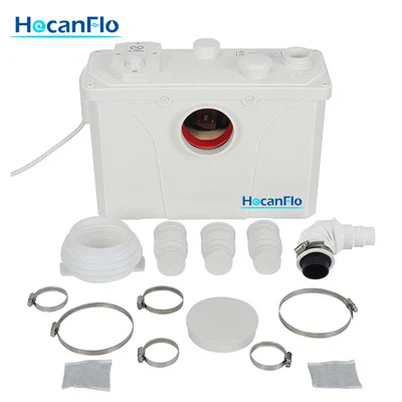
- 12v Macerator Toilet: These toilets use a macerator pump to break down waste into smaller particles before pumping it out. They generally require a consistent water pressure to operate the macerator effectively. The ideal pressure range of 15 - 30 psi is also suitable for most 12v macerator toilets. The proper water pressure helps the macerator to mix the waste with water and pump it out smoothly.
- 600w Compact Macerator Toilet: The 600w compact macerator toilet is designed for smaller spaces but still requires sufficient water pressure for proper operation. The higher - powered macerator in this type of toilet may need a slightly higher end of the pressure range (around 20 - 30 psi) to ensure efficient waste disposal.
Maintaining Water Pressure for Long - Term Performance
Regular maintenance is key to maintaining the proper water pressure for your marine toilet. Here are some tips:
- Inspect Water System Regularly: Check the water pipes, valves, and fittings for any signs of leaks, corrosion, or blockages. Replace any damaged components promptly.
- Clean Water Filters: Water filters can become clogged over time, reducing water flow and pressure. Clean or replace the filters regularly to ensure proper water flow.
- Test Water Pressure Periodically: Use a pressure gauge to test the water pressure at the toilet. This will help you detect any changes in pressure early and take appropriate action.
Conclusion
In conclusion, understanding the water pressure requirements for a marine toilet is essential for its proper operation and longevity. The ideal water pressure range of 15 to 30 psi provides the best balance between effective flushing and protecting the toilet's components. By considering the factors that affect water pressure, making necessary adjustments, and performing regular maintenance, you can ensure that your marine toilet functions smoothly and reliably.
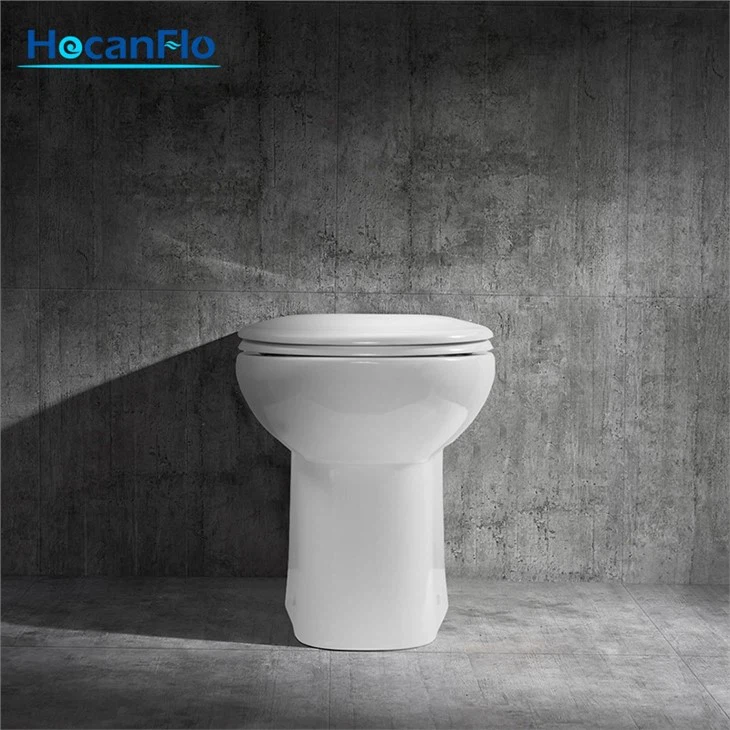

If you're in the market for a new marine toilet or need advice on water pressure issues, we're here to help. As a leading supplier of marine toilets, we offer a wide range of high - quality products, including the Electric Marine Toilet, 12v Macerator Toilet, and 600w Compact Macerator Toilet. Contact us to discuss your specific needs and start the procurement process. We look forward to working with you to provide the best marine toilet solutions for your vessel.
References
- "Marine Plumbing Systems Handbook" by a leading marine engineering expert.
- Manufacturer's manuals for various marine toilets and water pumps.