Are there any regulations regarding emptying a marine toilet holding tank?
Leave a message

As a supplier of marine toilets, I often get asked about the regulations regarding emptying a marine toilet holding tank. It's a crucial topic for all boat owners, and it's essential to understand the rules to avoid fines and protect our precious marine environment.

Why Regulations Matter
Let's face it, dumping raw sewage into the ocean isn't cool. It can contaminate water, harm marine life, and make beaches unsafe for swimming and other activities. That's why governments around the world have put in place regulations to control how and where we can empty our marine toilet holding tanks.
Regulations in the United States
In the US, the Environmental Protection Agency (EPA) is the big boss when it comes to regulating sewage discharge from boats. The Clean Water Act sets the standards, and the EPA enforces them.
- No - Discharge Zones (NDZs): There are areas in US waters where it's completely illegal to discharge any sewage from a boat. These NDZs are usually in places with sensitive ecosystems or high - population areas. If your boat is in an NDZ, you have to hold onto your sewage until you can reach a pump - out station.
- Three - Mile Rule: Outside of NDZs, boats with Type III marine sanitation devices (which are basically holding tanks) can't discharge sewage within three miles of the shore. Once you're more than three miles out, you can discharge treated sewage, but it has to meet certain water - quality standards.
It's super important to know where the NDZs are. You can find maps of them on the EPA's website or through local boating authorities.
Regulations in the European Union
The EU also has strict rules for sewage disposal from boats. The EU's Marine Strategy Framework Directive aims to achieve good environmental status in European seas by 2020.
- Discharge Limits: In most EU waters, boats are not allowed to discharge untreated sewage. You need a properly functioning marine sanitation device, which could be a holding tank or a treatment system.
- Pump - Out Stations: Like in the US, there are pump - out stations available at many marinas. Boat owners are encouraged to use these to empty their holding tanks in an environmentally friendly way.
Other Parts of the World
Different countries have different regulations. Some have very strict rules similar to the US and EU, while others may have more lenient policies, but that doesn't mean we can be careless.
For example, in some Caribbean countries, they're really cracking down on sewage pollution to protect their beautiful coral reefs. So, if you're planning a boating trip abroad, it's a good idea to research the local regulations before you go.
How Our Marine Toilets Fit In
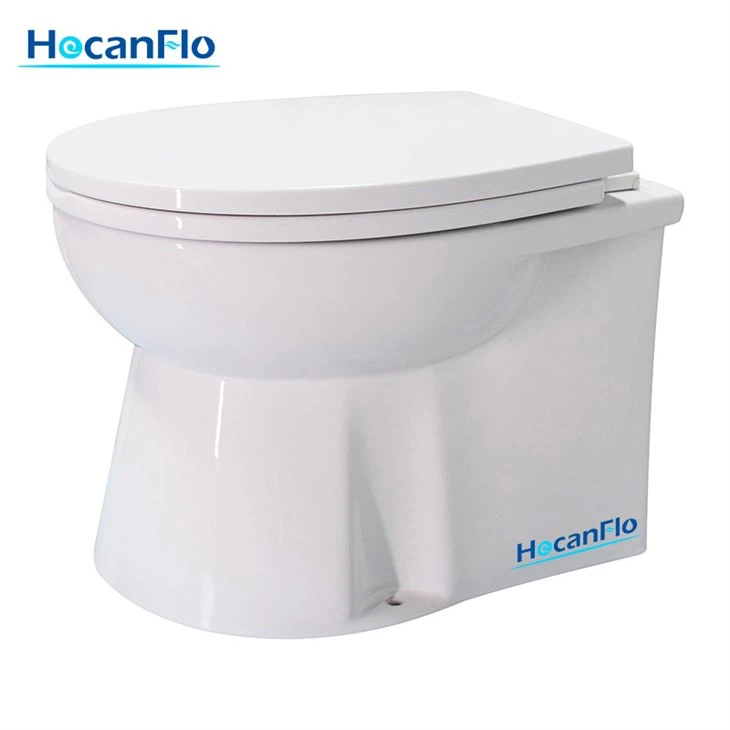
At our company, we offer a range of high - quality marine toilets that are designed to meet different needs and comply with regulations.
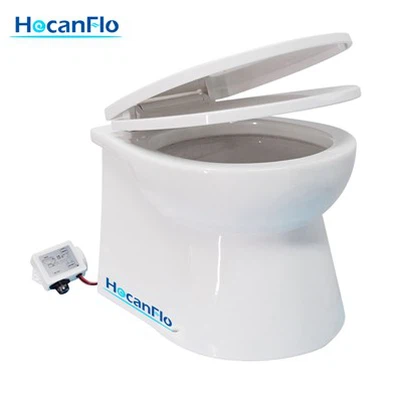
- 12v Marine Toilet: These toilets are powered by a 12 - volt system, which is common on boats. They're easy to install and use, and they work well with holding tanks.
- Electric Marine Toilet: Our electric marine toilets offer a more convenient flushing experience. They're powerful and reliable, and can help you manage your sewage effectively.
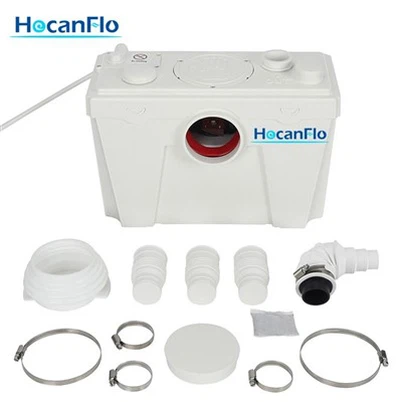
- 500Watt Macerating Toilet: This toilet has a 500 - watt macerator that breaks down waste into smaller pieces. It makes it easier to pump the sewage into the holding tank and also helps prevent clogs.
- 12v Electric Marine Toilet: Combining the benefits of 12 - volt power and electric operation, this toilet is a great choice for many boat owners. It's energy - efficient and does a great job of handling waste.
- 12v Macerator Toilet: Similar to the 500 - watt macerating toilet, but with a 12 - volt power source. It's ideal for smaller boats or those with limited power supply.
Tips for Complying with Regulations
- Maintain Your Holding Tank: Regularly check your holding tank for leaks and make sure it's in good working condition. Clean it periodically to prevent odors and blockages.
- Use Pump - Out Stations: Don't be lazy! Use the pump - out stations at marinas whenever possible. It's the responsible thing to do, and it helps keep our waters clean.
- Educate Your Crew: Make sure everyone on your boat knows the regulations regarding sewage disposal. A well - informed crew is less likely to make mistakes.
The Importance of Following Regulations
Apart from avoiding fines, following the regulations for emptying marine toilet holding tanks helps protect our marine environment. Our oceans are home to millions of species, and we have a responsibility to keep them clean and healthy.
By using our high - quality marine toilets and complying with the regulations, you can enjoy your boating experience without worrying about harming the environment.
Contact Us for Your Marine Toilet Needs
If you're in the market for a new marine toilet or have any questions about our products, feel free to reach out. We're here to help you find the perfect toilet for your boat and ensure you're complying with all the regulations. Whether you need a simple 12 - volt toilet or a more advanced macerating model, we've got you covered.
References
- Environmental Protection Agency (EPA) - Clean Water Act regulations
- European Union - Marine Strategy Framework Directive
- Local boating authorities in various countries for specific regional regulations