What are the differences between a sewage macerator pump and a sump pump?
Leave a message

When it comes to managing water and waste in residential and commercial settings, two types of pumps often come into play: sewage macerator pumps and sump pumps. As a supplier of sewage macerator pumps, I've encountered numerous questions regarding the differences between these two types of pumps. In this blog post, I'll delve into the key distinctions to help you understand which pump is most suitable for your specific needs.
1. Function and Purpose
The primary function of a sewage macerator pump is to break down solid waste into smaller particles and pump the resulting slurry to a sewage system or septic tank. This is particularly useful in situations where gravity alone cannot move sewage from the source (such as a basement bathroom or a remote toilet) to the main sewer line. For instance, in a basement where the plumbing fixtures are below the level of the main sewer, a sewage macerator pump can be installed to grind up waste and pump it upwards. You can find more information about basement bathroom plumbing with an ejector pump here.


On the other hand, a sump pump is designed to remove water that has accumulated in a sump pit. Sump pits are typically located in basements or crawl spaces and collect water from sources such as groundwater, rainwater runoff, or plumbing leaks. The sump pump activates when the water level in the pit reaches a certain point and pumps the water away from the building to prevent flooding.
2. Construction and Design
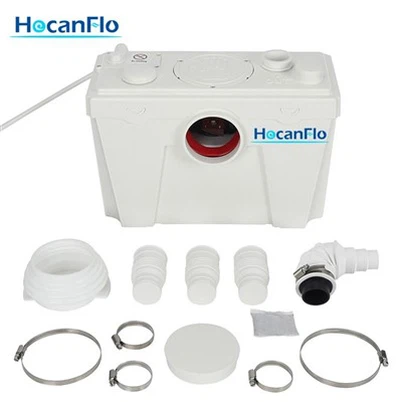
Sewage macerator pumps are equipped with a cutting mechanism, usually a set of sharp blades or impellers, that shreds solid waste into fine particles. This allows the pump to handle a variety of materials, including toilet paper, sanitary products, and small food scraps. The pump housing is designed to withstand the abrasive nature of the sewage and the cutting action. Our 300w Small Bathroom Macerator Sewage Pump is a great example of a well - designed sewage macerator pump, suitable for small bathroom applications.
Sump pumps, in contrast, do not have a cutting mechanism. They are designed to move large volumes of relatively clean water. The impeller in a sump pump is typically larger and less complex, optimized for high - volume water flow. The pump is usually submerged in the sump pit, and its housing is built to resist corrosion from the water.
3. Capacity and Flow Rate
Sewage macerator pumps generally have a lower flow rate compared to sump pumps. This is because their primary task is to handle solid - laden sewage, which requires more energy to break down and pump. The flow rate of a sewage macerator pump can range from a few gallons per minute to around 20 gallons per minute, depending on the model and its power. For example, our Basement Sewage Macerator Pump is engineered to handle the specific requirements of basement sewage disposal, with a flow rate that is appropriate for typical household waste.
Sump pumps, however, are designed to move large amounts of water quickly. They can have flow rates of 30 gallons per minute or more, depending on the size and power of the pump. This high flow rate is necessary to keep up with the rapid influx of water during heavy rain or flooding events.
4. Installation and Location
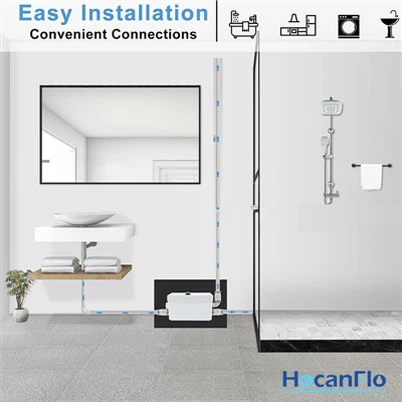
The installation of a sewage macerator pump is more complex than that of a sump pump. It needs to be connected to the plumbing fixtures in the building and the sewer line. The pump must also be installed in a location where it can easily access the sewage waste, usually near the source of the waste. In a basement bathroom, for example, the macerator pump is often installed directly under the toilet or in a nearby utility cabinet.
Sump pumps are typically installed in a sump pit, which is a hole dug in the basement floor. The pit is lined with a waterproof material to collect water. The pump is then placed inside the pit and connected to a discharge pipe that leads outside the building. The installation process mainly involves ensuring the proper placement of the pit, the pump, and the discharge pipe.
5. Maintenance Requirements
Sewage macerator pumps require more regular maintenance compared to sump pumps. The cutting mechanism in the macerator pump can become clogged with large or tough objects, such as rags or large pieces of food. It's important to periodically check and clean the blades to ensure smooth operation. Additionally, the pump's seals and gaskets should be inspected regularly to prevent leaks. More details about the maintenance of sewerage sewage pumps can be found here.
Sump pumps, while generally less maintenance - intensive, still need some attention. The float switch, which activates the pump when the water level rises, should be checked periodically to ensure it moves freely. The pump itself should also be inspected for any signs of wear or damage, and the discharge pipe should be cleared of any blockages.
6. Cost
In terms of cost, sewage macerator pumps are usually more expensive than sump pumps. This is due to their more complex design and the need for the cutting mechanism. The initial purchase price of a sewage macerator pump can range from a few hundred dollars to over a thousand dollars, depending on the brand, features, and capacity.
Sump pumps are relatively more affordable, with prices starting from around $100 for basic models and going up to a few hundred dollars for more high - end pumps with additional features such as battery backups.
7. Applications
Sewage macerator pumps are commonly used in situations where sewage needs to be pumped against gravity or where the sewage contains solid waste. Some common applications include basement bathrooms, ground - floor additions with plumbing fixtures, and mobile homes. Our Small Macerator Pump is ideal for small - scale applications where space is limited.
Sump pumps are used primarily for flood prevention in basements and crawl spaces. They are also used in areas prone to waterlogging, such as construction sites and low - lying areas around buildings.
In conclusion, understanding the differences between sewage macerator pumps and sump pumps is crucial when it comes to choosing the right pump for your needs. Whether you are dealing with sewage disposal or water removal, selecting the appropriate pump can save you time, money, and potential headaches in the long run.
If you are in the market for a sewage macerator pump, we are here to help. Our team of experts can assist you in choosing the right pump for your specific application. Contact us to start a procurement discussion and find the perfect solution for your sewage management needs.
References
- "Pumps for Residential and Commercial Use," Plumbing Handbook, 2023 Edition.
- "Sewage and Sump Pump Technology," Journal of Fluid Mechanics and Pump Engineering, Vol. 15, 2022.